Hasan Piker calls Republicans the world’s ‘biggest terrorist’ organization
Hasan Piker calls Republicans the world’s ‘biggest terrorist’ organization
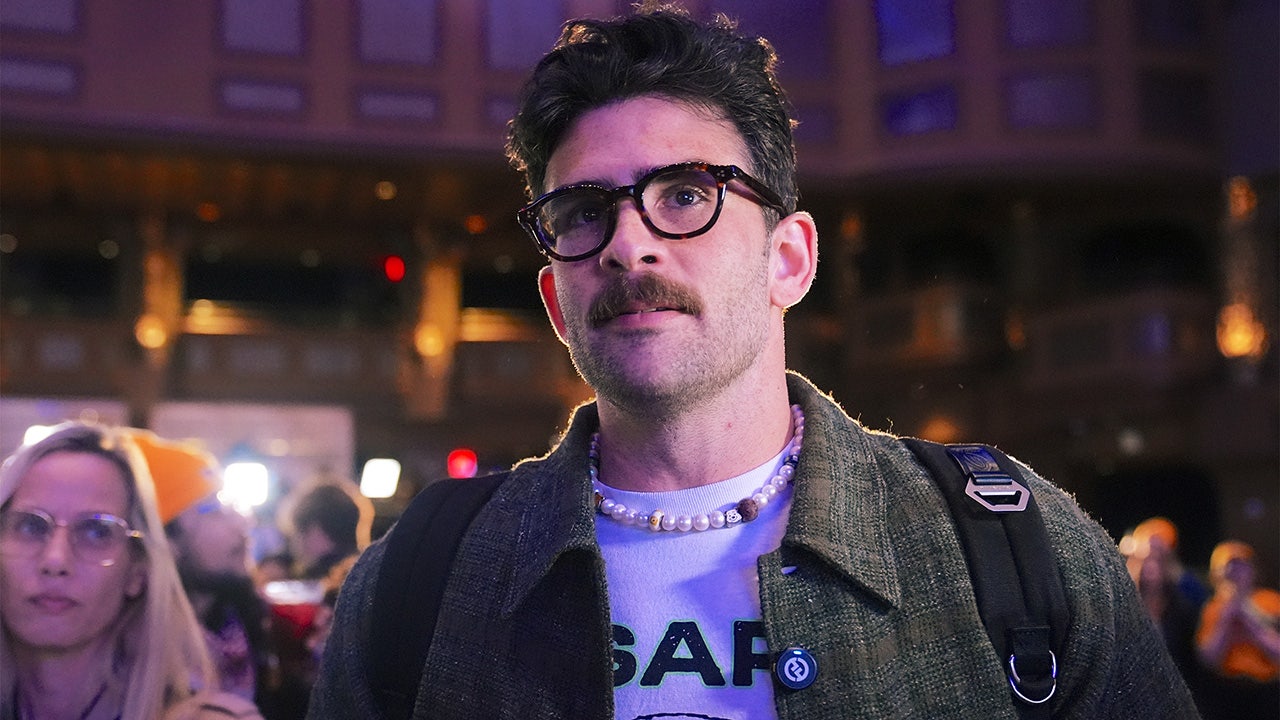
In a bold statement on a recent podcast, far-left Twitch streamer Hasan Piker declared the Republican Party as the world’s "biggest terrorist" organization, both in the U.S. and internationally. Piker’s remarks have sparked controversy and divided opinions across the political spectrum.
⚡ Key Facts
- The Core: Hasan Piker labels the Republican Party as the top terrorist group.
- The Breakdown: Piker criticizes the party for its perceived harmful impact domestically and globally.
- The Impact: Piker’s comments have ignited a debate on the role of the Republican Party in current political discourse.
—
🔍 The Deep Dive
Why it’s happening: Piker’s inflammatory remarks were made during an episode of "Pod Save America," where he expressed his strong opposition towards Republicans. His comments have since garnered attention and criticism from various quarters.
From one perspective: Advocates for change suggest that Piker’s statement reflects a growing frustration with the GOP’s policies and rhetoric. They argue that his words highlight the need for a more nuanced discussion on political ideologies and their consequences.
On the other hand: Conversely, critics maintain that Piker’s characterization of the Republican Party as a terrorist organization is extreme and unwarranted. They argue that such rhetoric only serves to further polarize an already divided political landscape.
🏁 The Bottom Line
As discussions around Piker’s remarks continue to unfold, it remains to be seen how his comments will impact the ongoing political discourse in the country. Watch for reactions from both sides of the political spectrum as the debate intensifies. Hasan Piker, a progressive political commentator and host of the online show "The Young Turks," recently stirred up controversy by calling the Republican Party the world’s "biggest terrorist" organization during a live stream.
Piker made the comment while discussing a recent incident where Republican lawmakers in Texas walked out of the state legislature to prevent a vote on a controversial voting rights bill. Piker criticized the GOP for their actions, calling them "terrorists" for trying to undermine democracy and suppress voting rights.
The comment drew swift backlash from conservative media outlets and politicians, with many condemning Piker for his inflammatory rhetoric. Some accused him of inciting violence and spreading hate speech.
Piker later defended his remarks on social media, arguing that the Republican Party’s actions were tantamount to domestic terrorism and that his comments were meant to draw attention to their harmful policies.
This is not the first time Piker has courted controversy with his outspoken views. He has previously been criticized for making inflammatory comments about various political figures and groups.
While Piker’s comments may have been provocative, they highlight the deep political divisions in the United States and the intense rhetoric that often characterizes debates between liberals and conservatives. Whether or not one agrees with his characterization of the Republican Party, it is clear that Piker’s comments have sparked a heated debate about the state of American politics.