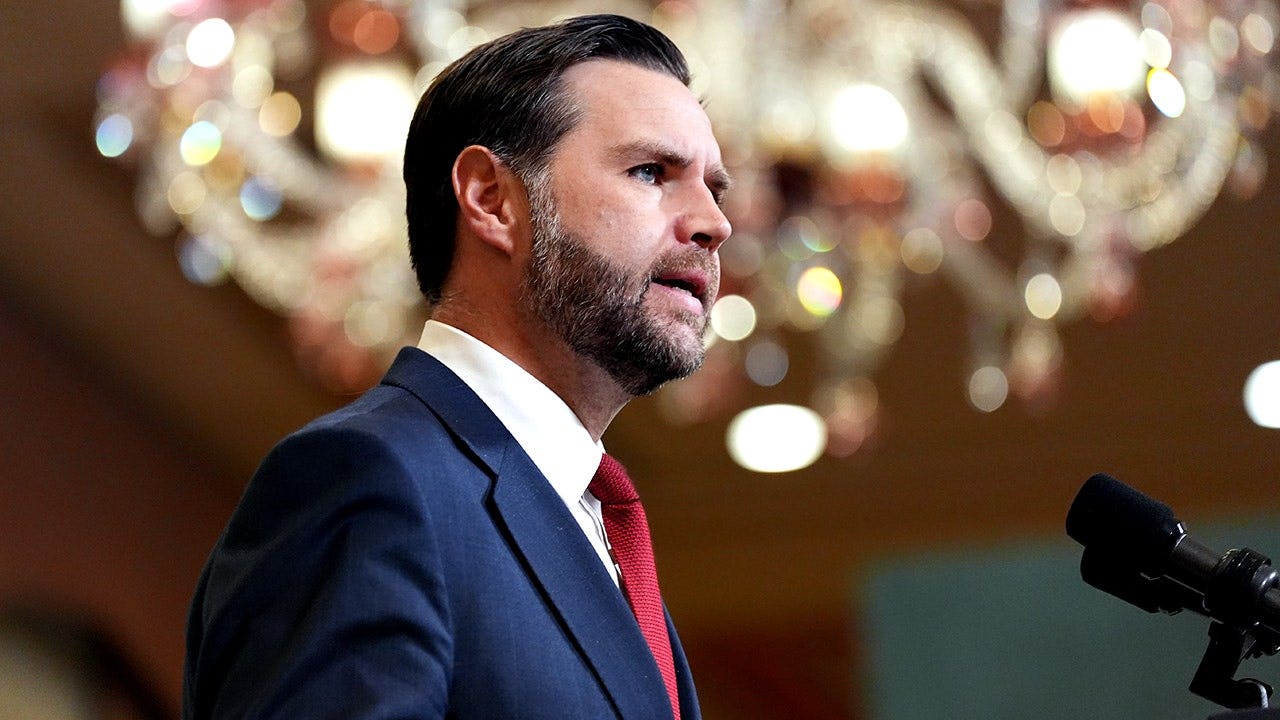
Vance returns to DC after Iran rejects US peace offer in Islamabad
"The Iranians have decided not to accept our final offer, and as a result, we will be returning to Washington without a deal in place." He added that the U.S. remains committed to finding a peaceful resolution to the tensions in the region, but it is unclear what steps will be taken next in light of Iran’s rejection of the peace offer.
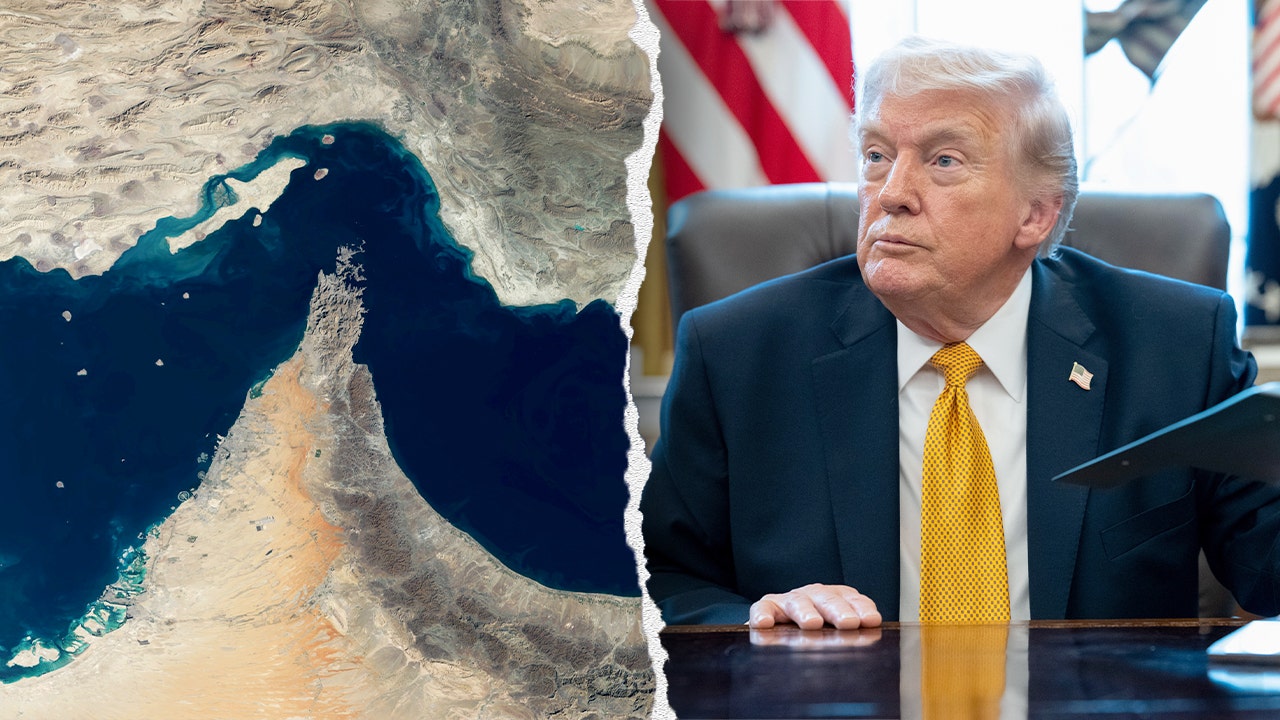
The collapse of the peace talks comes after weeks of escalating tensions between the U.S. and Iran, with both sides engaging in military strikes and threats of further conflict. The decision to blockade the Strait of Hormuz, a key shipping route for oil tankers, is likely to further escalate tensions and could have significant economic implications for the region and beyond.
As Vance returns to Washington, the future of U.S.-Iran relations remains uncertain. The rejection of the peace offer raises questions about the potential for further conflict and the ability of the two countries to find a diplomatic solution to their differences. It is clear that the situation in the region is volatile, and all eyes will be on Washington in the coming days to see how the administration responds to Iran’s rejection of the peace offer. ## Vance returns to DC after Iran rejects US peace offer in Islamabad
In a dramatic turn of events, JD Vance has returned to Washington after 16 hours of peace talks with Iran in Islamabad. Despite the efforts made by Vance and his team, Iran ultimately rejected the US peace offer, leaving tensions high between the two nations.
⚡ Key Facts
- The Core: JD Vance’s peace talks with Iran in Islamabad ended in rejection of the US offer.
- The Breakdown: Iran refused to accept the US terms, including demands to end uranium enrichment and dismantle nuclear facilities.
- The Impact: The collapse of the peace talks could have significant implications for US-Iran relations and regional stability.
—
🔍 The Deep Dive
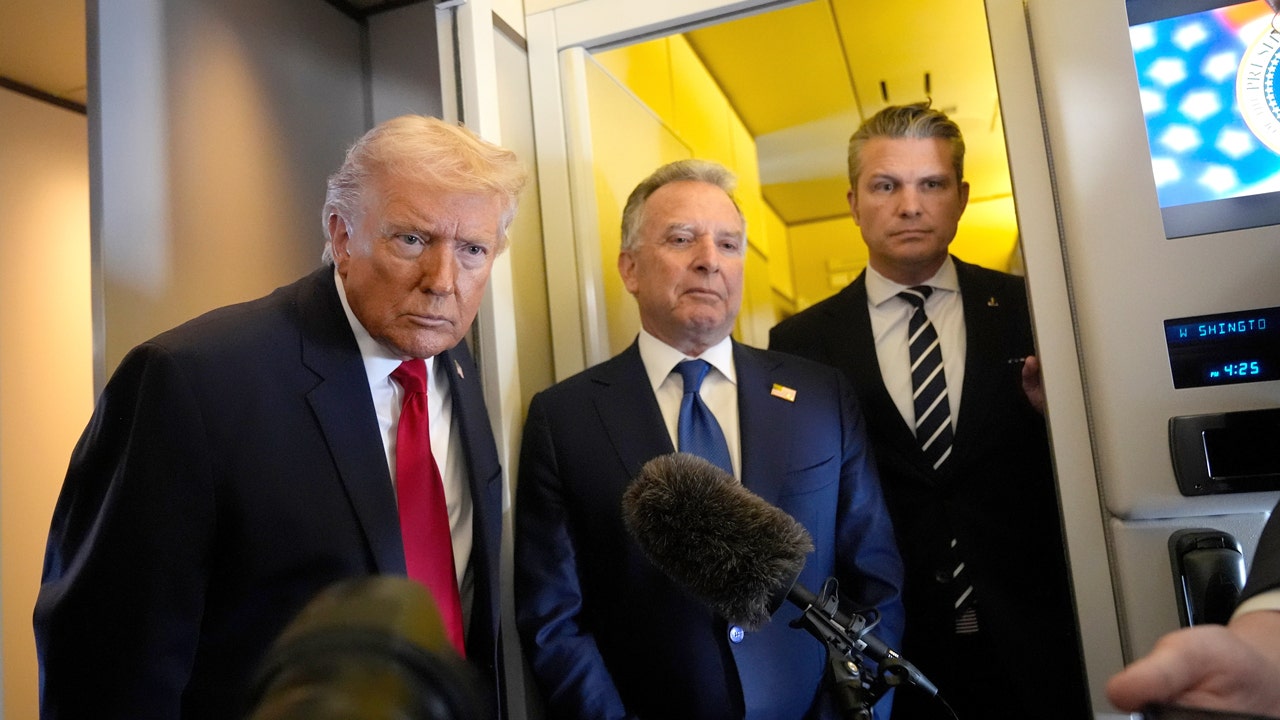
Why it’s happening: JD Vance, along with representatives Witkoff and Kushner, made a final offer to Iran that included strict demands to address nuclear concerns. Despite clear communication of US red lines, Iran chose not to accept the terms, leading to the breakdown of negotiations. Read more.
From one perspective: Advocates for change suggest that the collapse of the peace talks highlights the challenges of diplomacy in the volatile region, with Iran’s refusal to comply with US demands signaling a potential escalation of tensions. Read more.
On the other hand: Conversely, critics maintain that the US’s firm stance on Iran’s nuclear activities is necessary for regional security and stability, with the rejection of the peace offer reinforcing the need for a strong approach to dealing with Iran’s nuclear ambitions. Read more.
🏁 The Bottom Line
As tensions between the US and Iran continue to escalate, it will be crucial to monitor any further developments in the aftermath of the failed peace talks. The implications of this breakdown on future diplomatic efforts and regional stability remain uncertain. JD Vance, a prominent American politician, has returned to Washington DC after his peace talks with Iran collapsed in Islamabad, Pakistan. Vance had been leading efforts to negotiate a peace agreement between the US and Iran, but his mission ultimately failed.
The talks broke down after Iran rejected a peace offer put forward by the US, citing irreconcilable differences in their positions. Vance had been optimistic about the potential for a breakthrough in the negotiations, but ultimately the two sides were unable to reach a consensus.
Vance expressed disappointment at the outcome of the talks, but vowed to continue working towards a peaceful resolution to the conflict between the US and Iran. He emphasized the importance of diplomacy and dialogue in resolving international disputes, and called on both sides to continue engaging in constructive dialogue in the future.
Despite the setback, Vance remains committed to his efforts to promote peace and stability in the region. He plans to continue working with international partners to find a peaceful solution to the ongoing tensions between the US and Iran.
Overall, Vance’s return to Washington DC marks the end of a challenging diplomatic mission, but he remains hopeful that a resolution to the conflict can still be achieved through continued dialogue and cooperation.