World Cup tailgating ban stirs debate among American soccer fans
World Cup tailgating ban stirs debate among American soccer fans
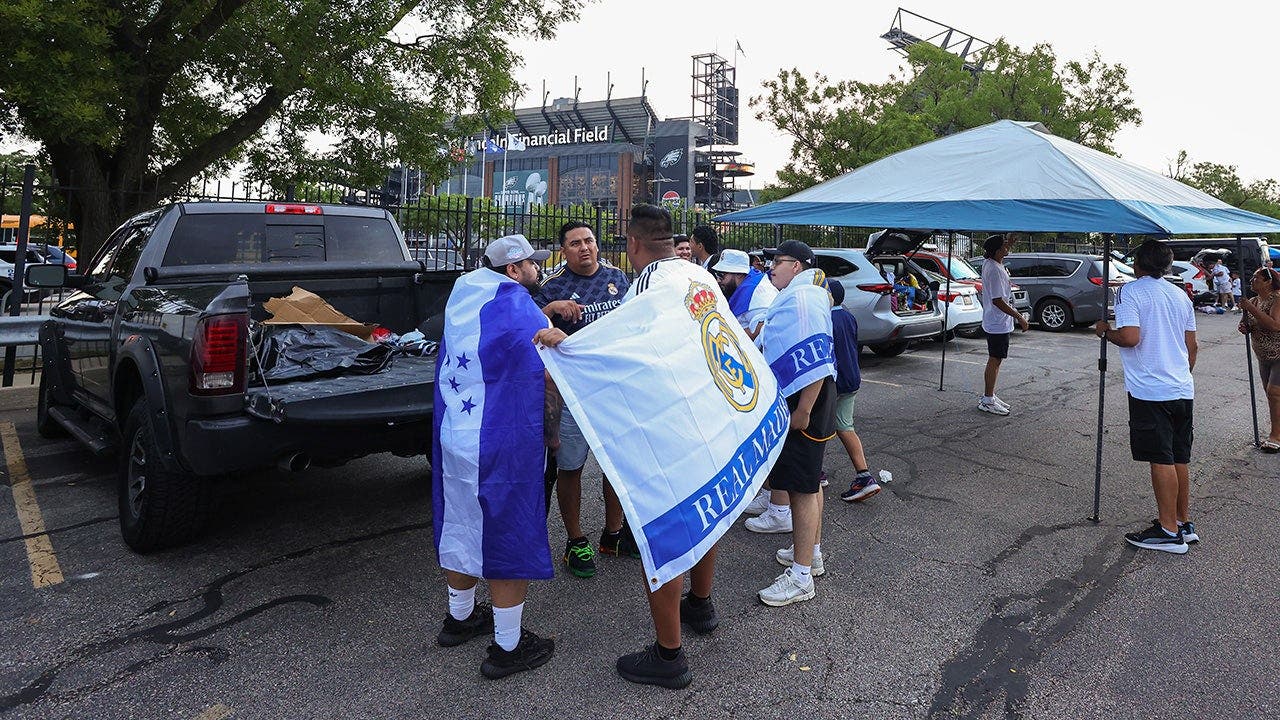
In just over two months, soccer fans will descend on stadiums across North America for the 2026 FIFA World Cup. However, a recent decision by FIFA to ban pregame tailgating at U.S. venues has sparked controversy among American soccer fans.
⚡ Key Facts
- The Core: The 2026 FIFA World Cup will not allow pregame tailgating at U.S. stadiums.
- The Breakdown: The ban aims to prevent crowd-control issues similar to those experienced during the Copa América.
- The Impact: This decision has eliminated a long-standing American sports culture tradition, leading to concerns about the pregame atmosphere during the tournament.
—
🔍 The Deep Dive
Why it’s happening: FIFA has decided to ban pregame tailgating at U.S. venues during the 2026 World Cup, potentially to avoid logistical challenges seen at previous events. Read more
From one perspective: Advocates for change suggest that banning tailgating could improve safety and security measures at the event, ensuring a smoother experience for all attendees. Read more
On the other hand: Conversely, critics maintain that tailgating is a quintessential part of American sports culture, providing fans with a unique game-day experience that should not be taken away. Read more
🏁 The Bottom Line
The ban on pregame tailgating at U.S. stadiums for the 2026 FIFA World Cup has sparked a debate among American soccer fans. As the tournament approaches, fans and organizers will be closely watching how this decision impacts the overall fan experience and atmosphere at the event. The decision by FIFA to ban tailgating at major U.S. World Cup venues has sparked a debate among American soccer fans. While some feel that the ban is a necessary measure to ensure safety and security at the events, others argue that tailgating is an important part of the fan experience and should be allowed.
Tailgating, the practice of gathering in the parking lot before a sporting event to grill food, drink beer, and socialize with fellow fans, has long been a popular tradition in American sports culture. Many soccer fans see it as a way to bond with their fellow supporters and build excitement for the game ahead.
However, FIFA has cited safety concerns as the reason for the ban on tailgating at World Cup venues. The organization has expressed worries about potential alcohol-related incidents and overcrowding in parking lots. In addition, FIFA has strict regulations regarding alcohol consumption at its events, which may also have played a role in the decision to ban tailgating.
Some American soccer fans have expressed disappointment over the ban, arguing that tailgating is a harmless and fun activity that adds to the overall experience of attending a game. They feel that FIFA is taking away an important part of the fan culture that has developed around soccer in the U.S.
On the other hand, supporters of the ban believe that safety should be the top priority at major sporting events like the World Cup. They point to incidents at past tournaments where alcohol-fueled rowdiness led to fights and other problems, and argue that banning tailgating is a necessary step to prevent similar incidents from occurring in the future.
Ultimately, the debate over the tailgating ban highlights the tension between preserving fan traditions and ensuring the safety and security of all attendees at major sporting events. While some American soccer fans may be disappointed by the ban, it is ultimately up to FIFA to make decisions that prioritize the well-being of all fans and participants at the World Cup.