Sherrone Moore gets probation; former staffer says sentence falls short
Sherrone Moore gets probation; former staffer says sentence falls short
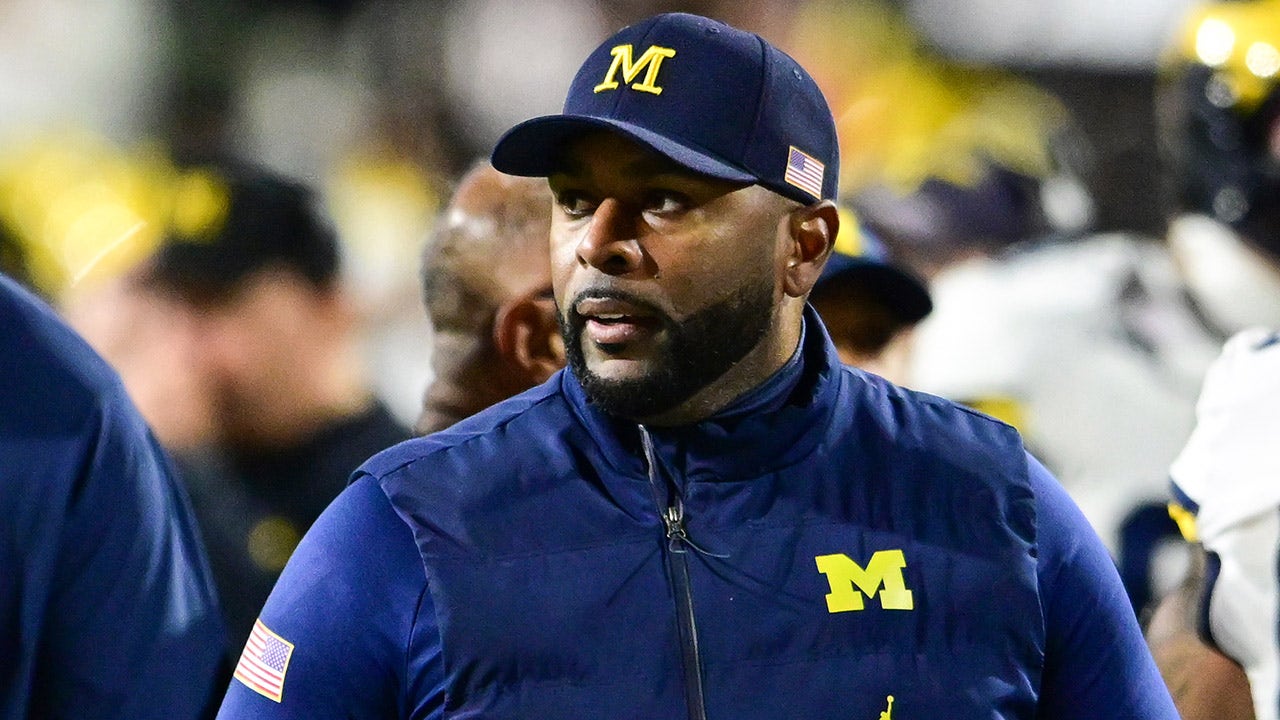
In a shocking turn of events, former Michigan staffer Sherrone Moore, who was fired for an inappropriate relationship with Paige Shiver and subsequently jailed for threatening her, received a lenient sentence of 18 months probation and a fine of just over $1,000. The alleged victim, Shiver, expressed disappointment with the sentence, stating that it did not reflect the harm done to her or the severity of the situation.
⚡ Key Facts
- The Core: Sherrone Moore, former Michigan staffer, received probation and a fine after threatening his alleged mistress.
- The Breakdown: Moore’s behavior led to his firing, arrest, and now a probation sentence.
- The Impact: This case highlights issues of power dynamics, harassment, and accountability in professional relationships.
—
🔍 The Deep Dive
Why it’s happening: The sentencing of Sherrone Moore has sparked controversy and criticism, as the punishment is perceived as inadequate given the gravity of the situation. Read more
From one perspective: Advocates for justice and accountability argue that Moore’s actions were violent and threatening, and the leniency of the sentence sets a concerning precedent for similar cases. Read more
On the other hand: Critics may argue that the legal system operates based on evidence and sentencing guidelines, and that Moore’s sentence was appropriate given the circumstances. Read more
🏁 The Bottom Line
The outcome of Sherrone Moore’s case raises questions about the handling of misconduct in professional settings and the impact of power dynamics. Moving forward, it will be essential to monitor how similar cases are addressed and whether there are any changes to policies or procedures to prevent such incidents. Former University of Michigan football coach Sherrone Moore was sentenced to probation after pleading guilty to charges related to an alleged affair with a former staffer. The decision has been met with criticism from the woman involved, who feels that the punishment does not fit the severity of the offense.
Moore was arrested earlier this year after the woman, who worked as a staff member for the football program, came forward with allegations of a romantic relationship with the coach. The woman claims that the relationship was non-consensual and that Moore used his position of power to manipulate her.
In court, Moore pleaded guilty to charges of fourth-degree criminal sexual conduct and was sentenced to two years of probation. He will also have to register as a sex offender and undergo counseling. The judge cited Moore’s lack of a criminal record and the fact that he had taken responsibility for his actions as reasons for the lenient sentence.
However, the woman involved in the case feels that the sentence does not reflect the harm that Moore caused her. She believes that he should have received a harsher punishment, such as jail time, in order to truly be held accountable for his actions.
This case highlights the ongoing issue of power dynamics and sexual misconduct in sports, particularly within college athletics. It also raises questions about the adequacy of the criminal justice system in addressing cases of sexual harassment and abuse.
Overall, the sentencing of Sherrone Moore has sparked controversy and debate, with many feeling that the punishment does not go far enough in addressing the harm caused by his actions.