US braces for fast-boat confrontation in Strait of Hormuz blockade
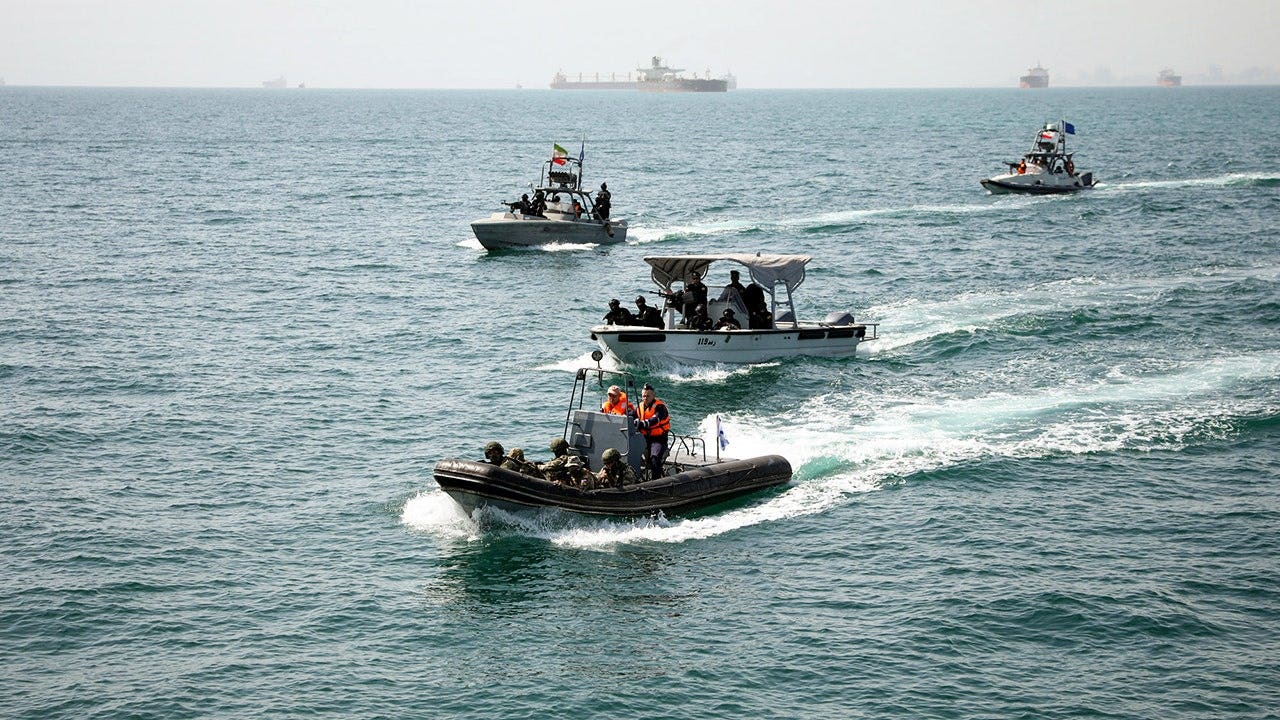
forces prepared for potential confrontations, the situation in the region remains tense. The use of lethal force against small fast-attack boats in the Caribbean and eastern Pacific has provided a blueprint for potential tactics in the Strait of Hormuz. However, the unique challenges posed by Iran’s state-backed military force and their fast-attack boat fleet present a different set of risks and obstacles.
Iran’s tactics of dispersal, deception, and potential use of drones and swarm attacks further complicate the situation. The narrow and crowded nature of the Strait of Hormuz adds to the challenge, as fast boats can easily blend in with civilian traffic and pose a threat to shipping lanes.
While Iran currently appears to be in a defensive posture, the potential for escalation remains high. U.S. forces are closely monitoring Iranian coastal activities and may be prepared to strike fast boats before they become a threat. However, the presence of anti-ship missiles and other defensive systems on these boats adds another layer of complexity to any potential confrontation.
As tensions continue to simmer in the region, the Strait of Hormuz remains a critical chokepoint for global energy markets. Any disruption in shipping through this vital waterway could have significant impacts on the world economy. The U.S. is bracing for potential fast-boat confrontations in the region, prepared to respond with lethal force if necessary. ## US braces for fast-boat confrontation in Strait of Hormuz blockade
In a high-stakes showdown, the US is preparing for potential fast-boat confrontations in the Strait of Hormuz blockade, as tensions with Iran escalate. Get the latest and breaking news on Fox News.
⚡ Key Facts
- The Core: The US is eyeing Iran’s fast boats as a potential threat in enforcing the blockade.
- The Breakdown: Tactics used in counter-narcotics operations may be deployed to target these fast boats.
- The Impact: This development is trending as it signals a potential escalation in the conflict in the region.
—
🔍 The Deep Dive
Why it’s happening: With Iran yet to publicly respond to the US’s strategy of targeting fast boats, a ceasefire is currently in place as negotiations for a longer-term peace deal are underway. The next phase of the conflict may pivot on fast-moving encounters at sea. Read more here.
From one perspective: Advocates for change suggest that diplomatic solutions should be prioritized to prevent a dangerous escalation in the region. They emphasize the importance of dialogue and negotiation to avoid conflict. Read more here.
On the other hand: Conversely, critics maintain that a strong stance against any potential threats is necessary to ensure the safety and security of US forces and interests in the region. From a strategic standpoint, they argue for proactive measures to deter aggression. Read more here.
🏁 The Bottom Line
As tensions continue to simmer, all eyes will be on the Strait of Hormuz for any potential fast-boat confrontations. Stay tuned for updates on how this situation unfolds and impacts regional stability.