NJ Transit hikes World Cup train fares to $150 roundtrip at MetLife Stadium
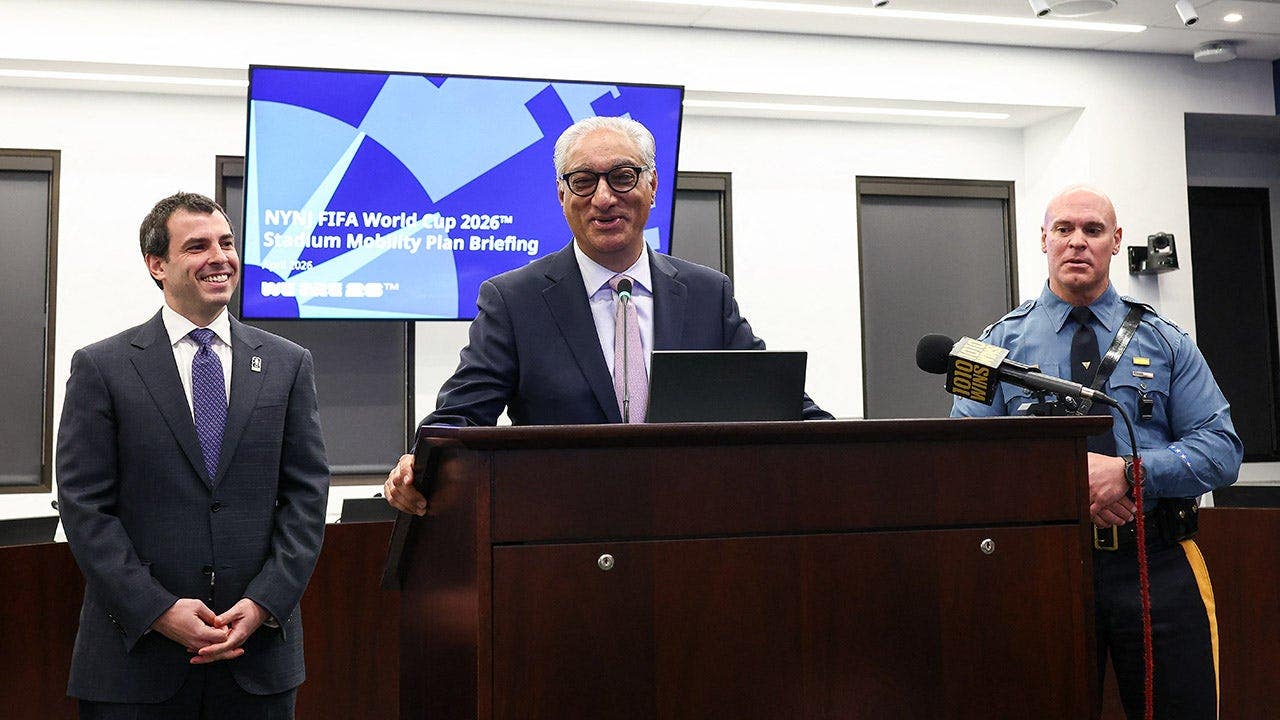
NJ Transit and the FIFA New York New Jersey Host Committee have announced fare hikes for attendees of eight World Cup matches at MetLife Stadium, with roundtrip train tickets costing $150, up from the usual $12.90. The decision has sparked controversy, with NJ Transit CEO Kris Kolluri defending the fare hikes as necessary to cover the $48 million cost of transporting fans to the games.
The Impact: This news has sparked debate over who should bear the cost of transporting fans to the World Cup matches, with New Jersey Governor Mikie Sherrill calling on FIFA to cover the expenses. The fare hikes have also raised concerns about potential congestion and delays for commuters using NJ Transit during the World Cup matches.
—
Why it’s happening: NJ Transit and the FIFA New York New Jersey Host Committee have implemented the fare hikes to cover the $48 million cost of transporting fans to the World Cup matches at MetLife Stadium. The decision to increase roundtrip train ticket prices to $150 has drawn criticism from commuters and officials, with Governor Mikie Sherrill advocating for FIFA to cover the expenses.
The Impact: The fare hikes have raised questions about fairness and accountability in covering the costs of hosting major sporting events. The controversy highlights the challenges of balancing the economic benefits of hosting the World Cup with the financial burden placed on public transportation systems and commuters. From one perspective: Advocates for change suggest that NJ Transit’s decision to hike World Cup train fares to $150 roundtrip disproportionately impacts lower-income fans and discourages attendance at a major sporting event. This move could be seen as prioritizing profit over accessibility to a widely celebrated international event.
On the other hand: Conversely, critics maintain that NJ Transit’s fare hike is justified from a fiscal standpoint, as additional resources and services are required to accommodate the influx of spectators. The increased fare could help offset the costs of providing enhanced transportation options for a high-demand event like the World Cup.
🏁 The Bottom Line
The decision to increase World Cup train fares raises questions about the balance between accessibility and revenue generation in public transportation. Moving forward, it will be important to monitor how this pricing strategy impacts attendance and public perception of NJ Transit’s services.