San Francisco population still below 2020 levels, census data shows
San Francisco population still below 2020 levels, census data shows
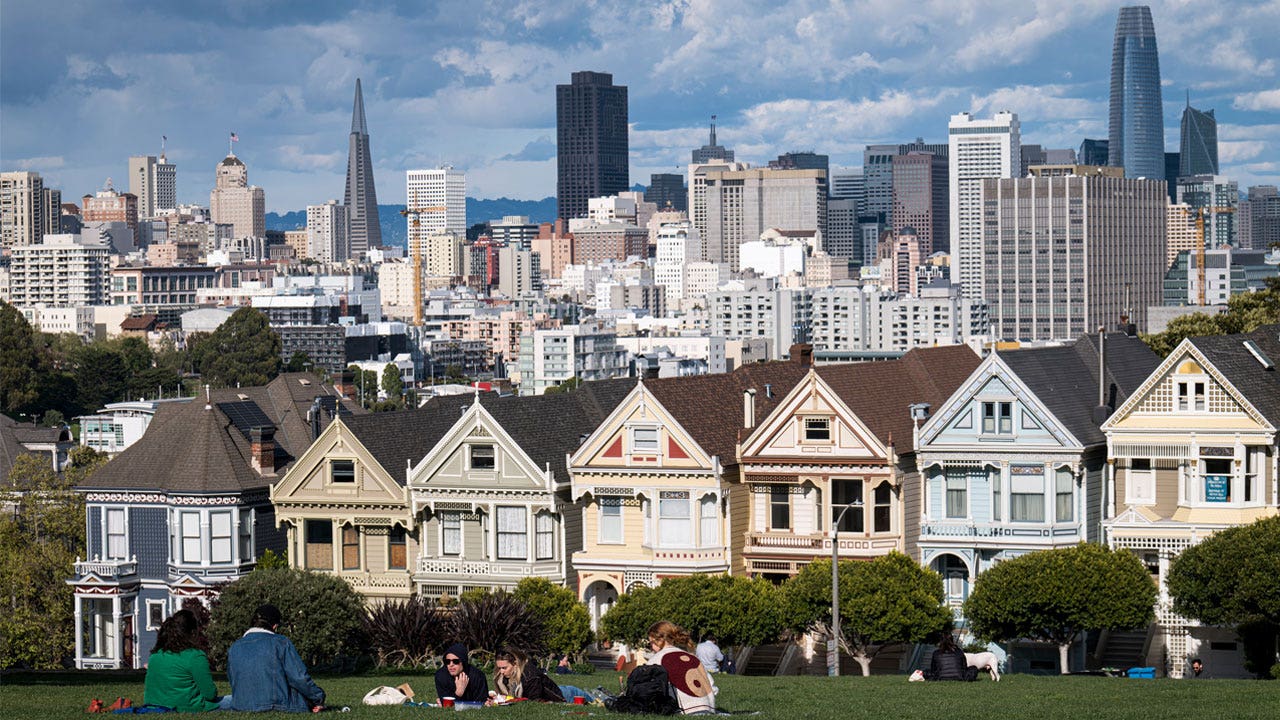
In a recent report, it has been revealed that San Francisco’s population has yet to recover from the pandemic exodus, despite a growing boom in AI. The city’s metropolitan area, which includes the East Bay, Peninsula, and Marin County, still lags behind its 2020 population levels by 2.6% as of July 2025.
⚡ Key Facts
- The Core: San Francisco’s population remains below 2020 levels despite advancements in AI.
- The Breakdown: The city’s total population is 2.6% lower than in April 2020, reflecting a slower recovery.
- The Impact: This trend is notable compared to other major metro areas, with only Los Angeles experiencing a greater population loss.
—
🔍 The Deep Dive
Why it’s happening: The San Francisco Chronicle reported that the city’s population has struggled to rebound, attributing the decline to various factors. Read more
From one perspective: Advocates for change suggest that the city’s challenges stem from issues like rampant homelessness and rising costs of living. They argue for a shift in policies to address these issues. Read more
On the other hand: Critics maintain that the city’s decline is a result of lenient policies on crime, drugs, and homelessness. They advocate for a more conservative approach to address these issues and stimulate population growth. Read more
🏁 The Bottom Line
As San Francisco continues to grapple with its population decline, all eyes will be on the city’s efforts to address the underlying issues and attract residents back to the area. Watch for potential shifts in policies and initiatives aimed at revitalizing the city’s population levels. According to recent census data, the population of San Francisco is still below 2020 levels despite hopes of a post-pandemic recovery. The city experienced a significant exodus during the pandemic, with many residents leaving for more affordable and less densely populated areas.
The data shows that San Francisco’s population dropped by 2.3% from 2020 to 2021, with about 32,000 residents leaving the city. This decline is attributed to a variety of factors, including remote work opportunities that allowed people to move away from expensive urban areas, as well as concerns about safety and quality of life in the city.
The decrease in population has had a significant impact on San Francisco’s economy, with businesses struggling to attract customers and workers. The city’s once-thriving restaurant and retail sectors have been hit particularly hard, with many establishments closing their doors for good.
While there are signs of recovery in some parts of the city, such as the tech industry which has seen a resurgence in hiring, the overall population decline has raised concerns about the long-term future of San Francisco. City officials are working to attract new residents and businesses, but it remains to be seen whether these efforts will be enough to reverse the trend of population decline.
Overall, the census data paints a sobering picture of San Francisco’s current state, with the city still facing challenges in its efforts to bounce back from the pandemic exodus. Only time will tell if San Francisco can regain its pre-pandemic population levels and economic vitality.