Trump claims Iran is collapsing financially amid ongoing US naval blockade
Trump claims Iran is collapsing financially amid ongoing US naval blockade
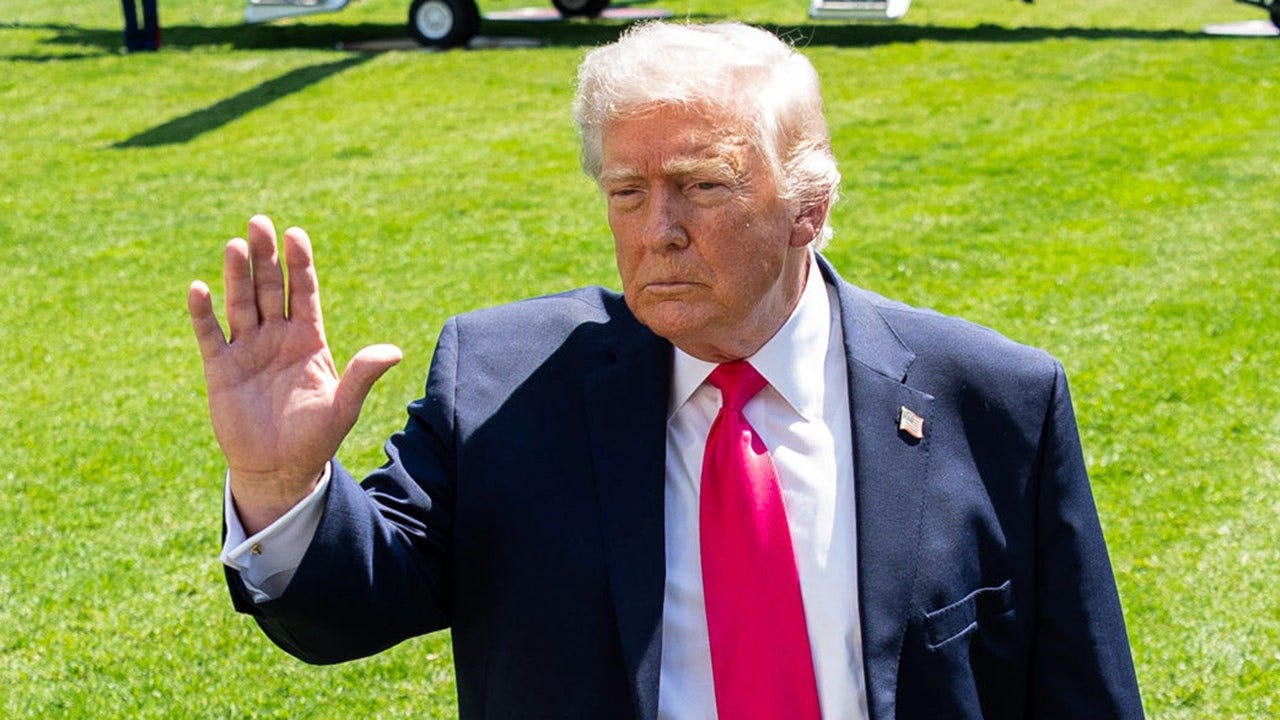
In a recent statement, President Donald Trump asserted that Iran is "starving for cash" as a result of a U.S.-enforced blockade, leading to a daily loss of hundreds of millions of dollars for the regime. The escalating financial pressure on Iran has raised concerns about the country’s economic stability and future prospects.
⚡ Key Facts
- The Core: President Trump alleges that Iran is facing severe financial challenges due to the U.S. blockade, leading to a daily loss of $500 million.
- The Breakdown: The ongoing economic strain on Iran is a result of the blockade imposed by the United States, impacting the country’s ability to generate revenue.
- The Impact: This development highlights the significant impact of the naval blockade on Iran’s financial stability and raises questions about the regime’s ability to sustain itself under such pressure.
—
🔍 The Deep Dive
Why it’s happening: President Trump’s claims come amid ongoing tensions between the U.S. and Iran, with the blockade serving as a key point of contention. The extension of the ceasefire deadline reflects the complexities of the situation and the challenges faced by both nations. Read more
From one perspective: Advocates for change suggest that the economic pressure on Iran is a strategic move by the U.S. to exert influence and force concessions from the Iranian government. The blockade is seen as a means to weaken Iran’s financial stability and undermine its ability to support its military and government. Read more
On the other hand: Conversely, critics argue that the blockade could have unintended consequences, leading to further instability in the region and potentially escalating tensions between the two countries. From a fiscal standpoint, the impact of the blockade on Iran’s economy raises concerns about the broader implications for global trade and security. Read more
🏁 The Bottom Line
The ongoing financial pressure on Iran, coupled with the extension of the ceasefire deadline, highlights the complex dynamics at play in the region. As the situation continues to unfold, it will be crucial to monitor the impact of the blockade on Iran’s economy and the potential implications for regional stability. President Trump recently claimed that Iran is facing financial collapse due to ongoing US sanctions and a naval blockade in the Persian Gulf. He stated that Iran is "starving for cash" and that their economy is collapsing.
The Trump administration has been ramping up pressure on Iran through sanctions and other measures in an effort to force them to renegotiate the Iran nuclear deal. The US has also deployed additional troops and military assets to the region in response to what they claim are increased threats from Iran.
Iran has denied any involvement in attacks on oil tankers in the Gulf of Oman and has criticized the US for escalating tensions in the region. They have also threatened to close the Strait of Hormuz, a crucial waterway for global oil shipments, in response to US actions.
Despite Trump’s claims, Iran has continued to resist US pressure and has vowed to continue exporting oil in defiance of sanctions. The situation remains tense as both countries engage in a war of words and actions, raising concerns about the potential for a military conflict in the region.