
Judge smacks down Trump-IRS ‘settlement,’ eyes lawyer sanctions

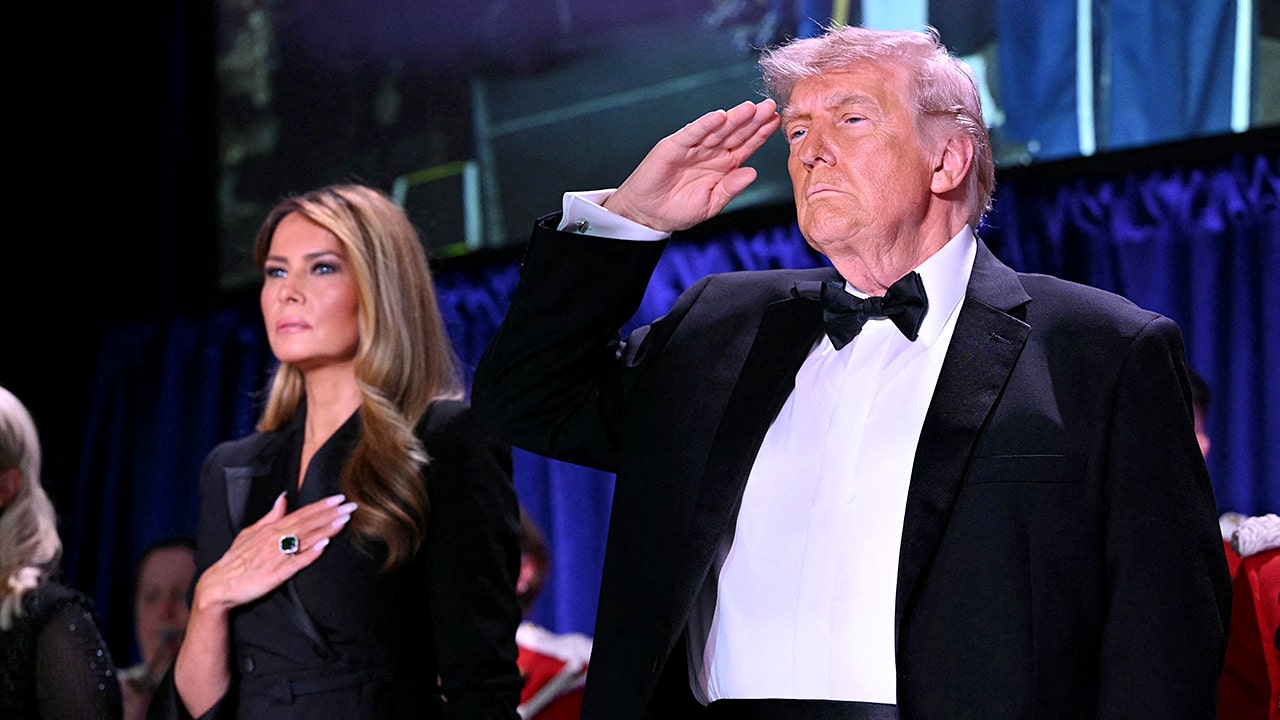
By now, Donald Trump has probably grown accustomed to legal setbacks in court, though his case against the IRS has started to backfire in ways the president didn’t see coming. The Associated Press reported:
A federal judge said Monday that President Donald Trump’s lawsuit against the IRS over his leaked tax returns was filed for an “improper purpose” as she referred attorneys for disciplinary actions.
The ruling from U.S. District Judge Kathleen Williams amounts to a stinging rebuke of the Republican president’s lawsuit, characterizing it as an exercise in self-dealing in which he sued an entity that is effectively under his control.
The basic details of Trump’s IRS lawsuit are likely familiar: During his first term, a contractor leaked his tax returns, and six years later, the president has filed suit against the tax agency, saying he’s entitled to $10 billion in taxpayer funds.
In May, he voluntarily withdrew his own litigation, and soon afterward, the administration unveiled his reward for having done so: a compensation fund worth $1.766 billion, which was quickly condemned by members of both parties as a “slush fund” that would be used to benefit the White House’s political allies.
That bipartisan pushback appears to have forced the president to back off his plans for the fund. And at that point, the case appeared to have run its course: Trump filed a rather preposterous $10 billion lawsuit against his own administration; he then abandoned that case before it could be fully adjudicated; and that was that.
Except, it wasn’t quite that simple, and one of the underlying legal problems persisted: The federal judge in the case, responding to a request filed by 35 former federal judges calling on her to reopen the case, raised serious concerns in late May, ordering Trump and his lawyers to address allegations that he committed fraud on the court.
In a four-page order, Williams said she intended to investigate “grievous allegations” that the hasty deal to resolve the dubious case was “premised on deception.” (This same judge, as recently as late April, expressed skepticism about the propriety of the case, since it appeared the president was, for all intents and purposes, both the plaintiff and the defendant.)
More than a month later, she apparently did not like what she discovered, concluding that Trump and his lawyers acted “in bad faith” and filed a civil suit “for an improper purpose.”
“The nature of the suit itself and the conduct of the Parties and counsel from its filing make plain that this was an attempt to use the Court to provide some legitimacy to an agreement to confer immunity to people and entities affiliated with the President and to earmark billions of dollars from American taxpayers to redress grievances not defined in the law,” Williams wrote.
Recommended

Steve Benen is a producer for “The Rachel Maddow Show,” the editor of MaddowBlog and an MS NOW political contributor. He’s also the bestselling author of “Ministry of Truth: Democracy, Reality, and the Republicans’ War on the Recent Past.”
Latest Post