Lawrence O’Donnell says Pete Hegseth’s military phrase is outdated
Lawrence O’Donnell says Pete Hegseth’s military phrase is outdated
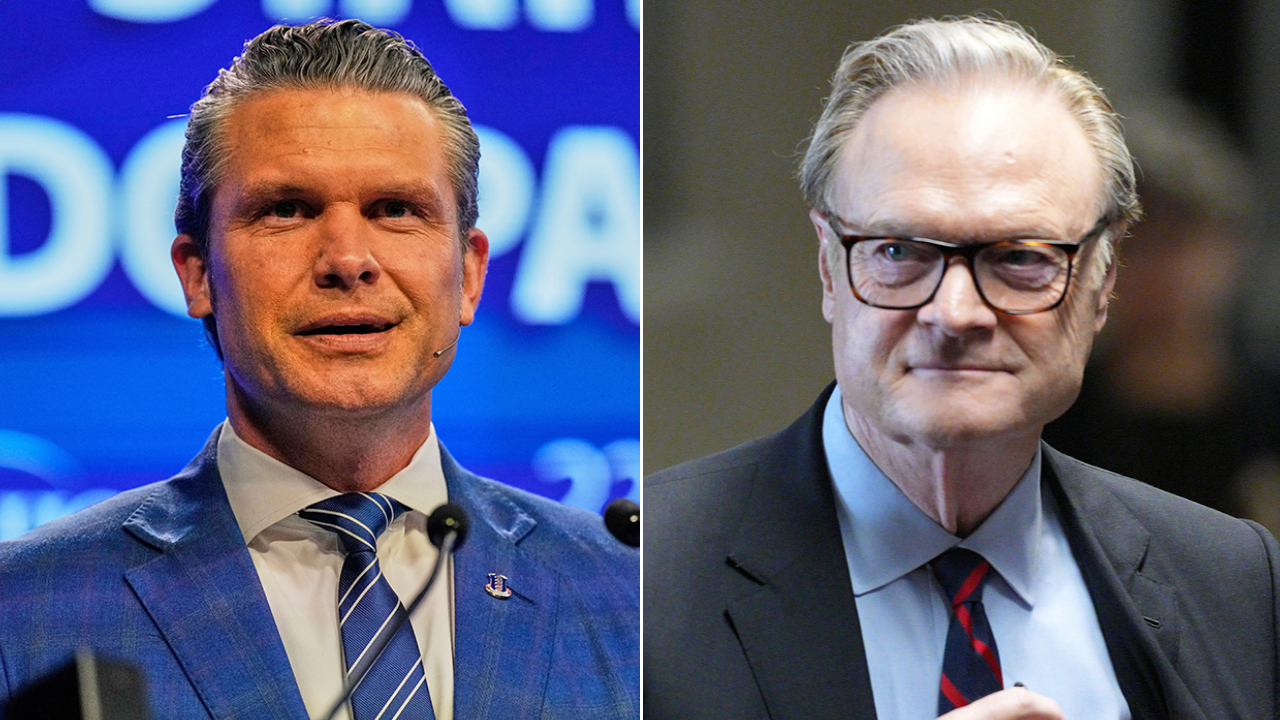
In a recent segment on "The Last Word with Lawrence O’Donnell," MSNBC host Lawrence O’Donnell criticized War Secretary Pete Hegseth’s use of the phrase "we leave no man behind" as outdated, sparking a debate on the evolution of military language. The discussion arose in response to remarks made during a White House briefing regarding a recent U.S. military rescue operation.
⚡ Key Facts
- The Core: Lawrence O’Donnell deems Pete Hegseth’s use of the phrase "we leave no man behind" as outdated in the context of modern military service.
- The Breakdown: O’Donnell highlights the need for a more inclusive and gender-neutral approach in military terminology.
- The Impact: This critique challenges traditional military rhetoric and advocates for a more contemporary and inclusive language in the armed forces.
—
🔍 The Deep Dive
Why it’s happening: Lawrence O’Donnell’s comments were sparked by Pete Hegseth’s use of the phrase during a White House briefing on a recent military rescue operation. O’Donnell’s remarks reflect a broader discussion on the evolution of military language and the need for more inclusive terminology in the modern era. Read more here.
From one perspective: Advocates for change suggest that the phrase "we leave no man behind" is exclusionary and fails to acknowledge the contributions of women in combat roles. O’Donnell’s emphasis on a more modern understanding of military service resonates with those pushing for gender equality and inclusivity in the armed forces. Read more here.
On the other hand: Conversely, critics maintain that traditional military phrases like "we leave no man behind" hold historical significance and embody core values of loyalty and camaraderie among service members. From a traditionalist standpoint, preserving these phrases is essential to honoring the sacrifices and traditions of the military. Read more here.
🏁 The Bottom Line
As the debate on modernizing military language continues, it will be crucial to observe how the armed forces adapt to reflect a more inclusive and diverse environment. The conversation sparked by Lawrence O’Donnell’s critique of Pete Hegseth’s phrase sheds light on the ongoing evolution of military culture and values. MSNBC host Lawrence O’Donnell recently expressed his offense at Fox News host Pete Hegseth’s use of the phrase "we leave no man behind" in a segment discussing the withdrawal of US troops from Afghanistan. O’Donnell argued that the phrase is outdated and no longer reflects the reality of modern warfare.
O’Donnell pointed out that the US military has often left behind allies and interpreters in past conflicts, such as the Vietnam War and the Iraq War. He argued that the phrase is a romanticized idea that does not reflect the complexities of modern warfare and the difficult decisions that military leaders have to make in the field.
Hegseth, a former Army officer, defended his use of the phrase, stating that it is a core value of the military and represents the commitment to never abandoning a comrade in need. He argued that while mistakes have been made in the past, the principle of leaving no man behind is still important and should be upheld.
The debate between O’Donnell and Hegseth highlights the ongoing discussion around military values and the realities of warfare. While some argue that traditional values such as leaving no man behind should be upheld, others point out the complexities and challenges of modern warfare that may make it difficult to always adhere to these principles.