Navy requests $3B for Tomahawk missiles after Iran war depletion
Navy requests $3B for Tomahawk missiles after Iran war depletion
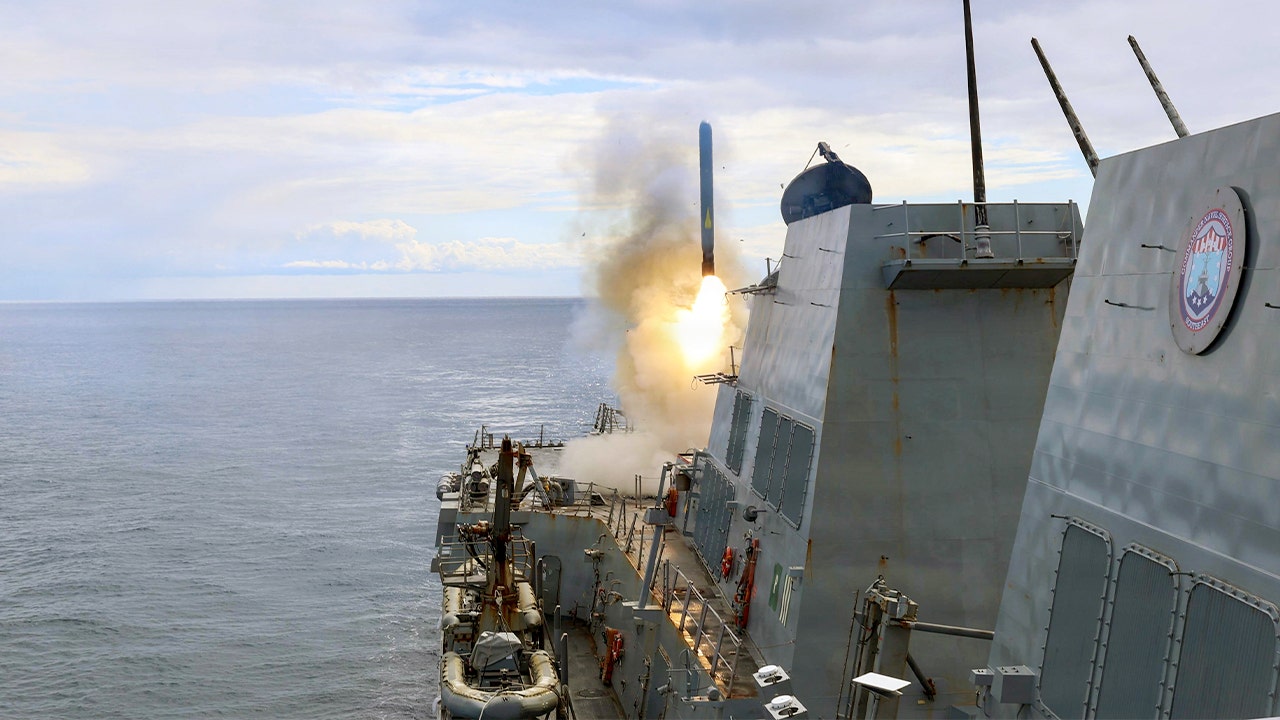
In a bold move, the U.S. Navy is seeking a whopping $3 billion to restock its Tomahawk missile inventory following their extensive use in the recent conflict with Iran. This significant budget request comes as part of the Pentagon’s broader $1.5 trillion budget proposal for 2027.
⚡ Key Facts
- The Core: The U.S. Navy is requesting $3 billion to replenish Tomahawk missiles after exhausting their supply in the war against Iran.
- The Breakdown: This request marks a 1,200% increase in production compared to last year.
- The Impact: The significant increase in missile production highlights the escalating tensions and the need to bolster defense capabilities.
—
🔍 The Deep Dive
Why it’s happening: The Navy’s request for additional funding to replenish Tomahawk missiles comes after reports of launching at least 850 of them since the conflict with Iran began. This significant increase in production is a direct response to the heightened security threats in the region. Read more
From one perspective: Advocates for change suggest that the increased missile production is necessary to maintain a strong defense posture and deter potential adversaries. The request for additional funding reflects the Navy’s commitment to ensuring national security in a volatile geopolitical landscape. Read more
On the other hand: Conversely, critics maintain that the substantial budget request raises concerns about the sustainability of defense spending and the potential for overreliance on military solutions. From a fiscal standpoint, there may be questions about the allocation of resources and the long-term implications of such massive investments in weaponry. Read more
🏁 The Bottom Line
As tensions continue to simmer in the region, the Navy’s request for $3 billion to replenish Tomahawk missiles serves as a stark reminder of the precarious security situation. Watch for potential debates and discussions surrounding the allocation of defense funds and the implications for national defense strategies moving forward.