Debra Messing calls anti-Israel activists’ silence on Iran hypocritical
Debra Messing calls anti-Israel activists’ silence on Iran hypocritical
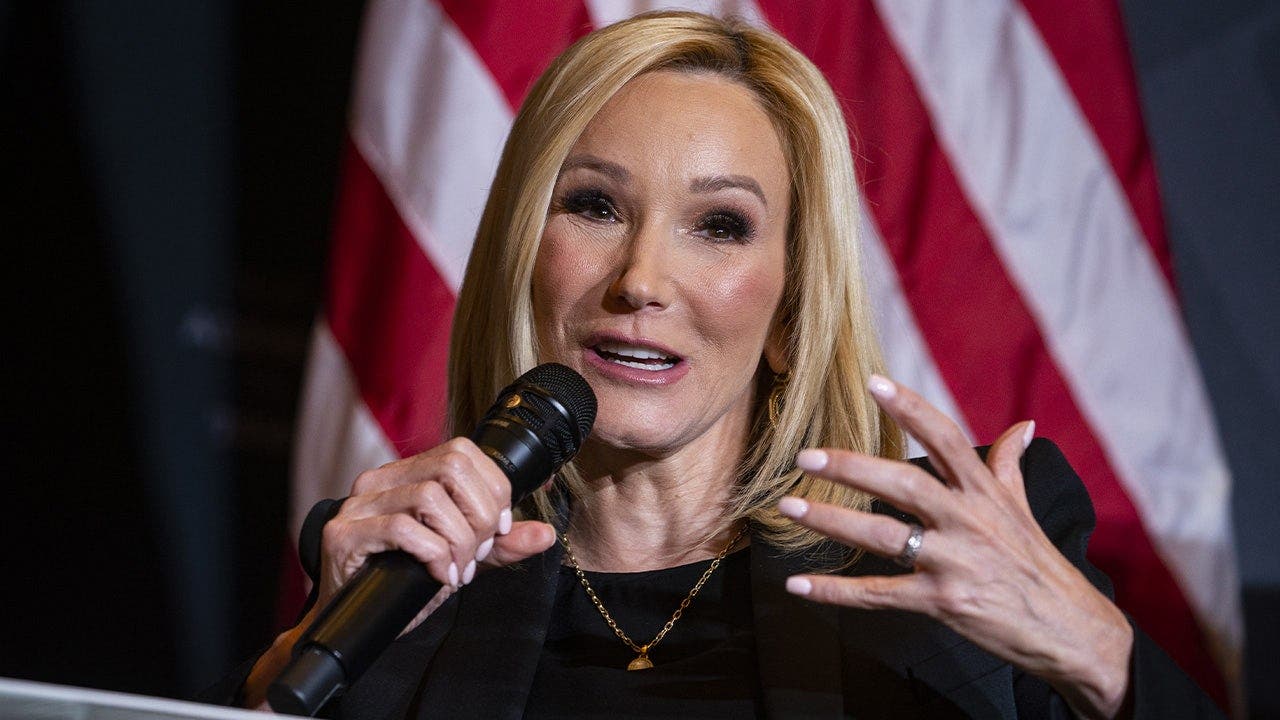
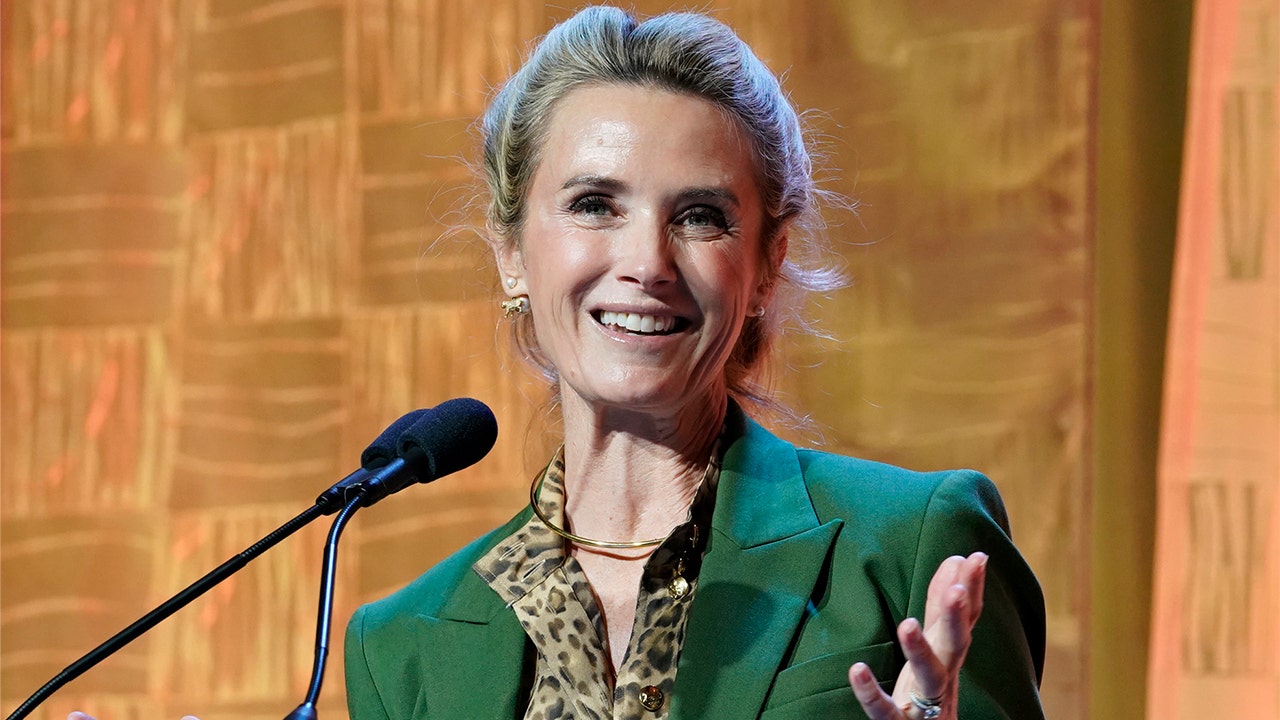
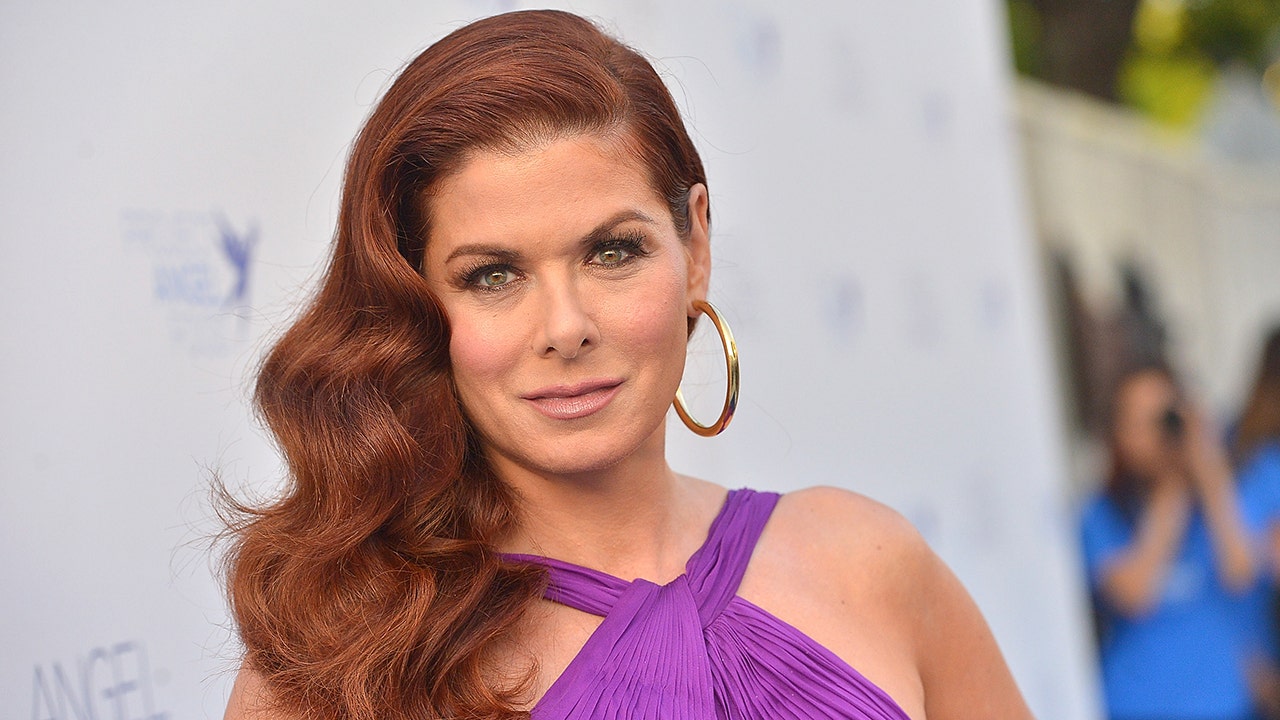
In a recent podcast appearance, actress Debra Messing criticized anti-Israel activists for their silence on Iran, calling it "the boldest example of hypocrisy." This statement comes in the wake of the Oct. 7 Hamas terrorist attacks on Israel, prompting Messing to speak out publicly on Israel and broader Middle East issues.
⚡ Key Facts
- The Core: Debra Messing condemns anti-Israel activists for their silence on Iran.
- The Breakdown: Messing sees it as hypocritical that those vocal against Israel are quiet on Iran.
- The Impact: Messing’s comments highlight a perceived lack of consistency among anti-Israel activists.
—
🔍 The Deep Dive
Why it’s happening: Messing’s remarks stem from her advocacy following the Hamas attacks on Israel, where she noticed a discrepancy in the response from anti-Israel activists. Read more
From one perspective: Advocates for change suggest that the focus on Israel may overshadow other important issues in the region, such as the situation in Iran. Read more
On the other hand: Conversely, critics maintain that addressing issues in Iran, such as human rights abuses or nuclear concerns, should not detract from addressing the Israeli-Palestinian conflict. Read more
🏁 The Bottom Line
Debra Messing’s comments have sparked a debate on the priorities of anti-Israel activists and the need for consistency in addressing human rights issues in the Middle East. Watch for potential responses or further discussions on this topic in the coming days. Debra Messing, an actress known for her role in the TV show Will & Grace, recently called out anti-Israel activists for their silence on the issue of Iran, saying that their lack of response exposes their hypocrisy. In a tweet, Messing criticized those who claim to care about human rights but remain silent on Iran’s human rights abuses.
Messing’s comments come in the wake of protests in Iran over a rise in fuel prices, which have been met with a violent crackdown by the Iranian government. Many activists and organizations that are vocal about human rights issues in other countries have been noticeably silent on the situation in Iran.
Messing’s tweet sparked a debate on social media, with some agreeing with her assessment and others defending the activists in question. Some argued that it is possible to care about multiple issues at once and that activists may choose to focus on specific causes based on their own expertise or personal connections.
However, Messing’s point still stands – if one claims to be an advocate for human rights, it is important to speak out against all violations, regardless of the country or government responsible. Ignoring human rights abuses in one country while criticizing them in another undermines the credibility and integrity of the activist community.
Overall, Messing’s comments serve as a reminder that consistency and integrity are essential in advocating for human rights. It is important for activists to speak out against all injustices, regardless of political alliances or personal biases.