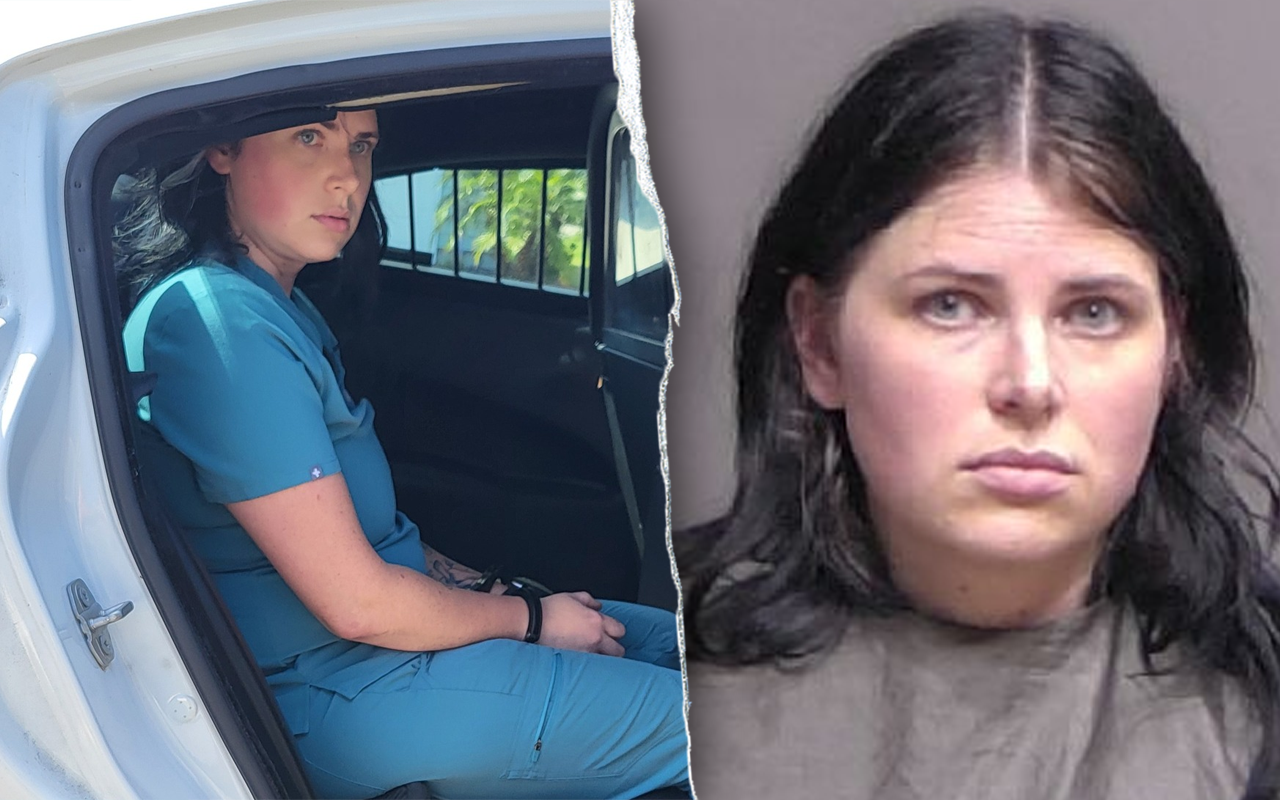
Florida fake nurse who treated 4,400 patients gets probation, no jail
Florida fake nurse who treated 4,400 patients gets probation, no jail
A Florida woman who posed as a nurse and treated over 4,400 patients without a license has avoided jail time, receiving probation and community service instead. Autumn Bardisa, 29, of Palm Coast, pleaded no contest to unlicensed practice of healthcare and fraudulent use of identification.
⚡ Key Facts
- The Core: Autumn Bardisa treated thousands of patients without a valid nursing license.
- The Breakdown: Bardisa used another nurse’s license number and falsified records to work as an advanced nurse technician.
- The Impact: This case raises concerns about patient safety and trust in the medical profession.
—
🔍 The Deep Dive
Why it’s happening: Bardisa’s actions were discovered after she treated patients at AdventHealth while falsely presenting herself as a licensed nurse. She was charged with multiple counts of unlicensed practice of healthcare and fraudulent use of personal identification information.
From one perspective: Advocates for change suggest that cases like Bardisa’s highlight the need for stricter regulations and oversight in the medical field to prevent similar incidents from occurring in the future.
On the other hand: Conversely, critics maintain that the probation and community service sentence may not adequately address the severity of Bardisa’s actions, which potentially endangered patients and undermined trust in the healthcare system.
🏁 The Bottom Line
As Bardisa faces probation and community service for posing as a nurse without a license, the case serves as a reminder of the importance of verifying healthcare credentials. Moving forward, ensuring proper licensing and oversight in the medical field is crucial to protect patient safety. A Florida woman who posed as a nurse and treated over 4,400 patients without a license has avoided jail time and instead been sentenced to probation. The woman, identified as 56-year-old Robyn Clark, had been working at a medical practice in the Tampa Bay area for over a year before her true identity was discovered.
Clark had been using the name and license number of a registered nurse from Ohio, but when authorities investigated, they found that she was not licensed to practice nursing in Florida. Despite this, Clark had been administering injections, drawing blood, and providing other medical services to thousands of patients.
Clark pleaded guilty to multiple charges, including practicing nursing without a license and identity theft. She was sentenced to five years of probation and ordered to pay restitution to the victims. The judge cited Clark’s lack of criminal history and her cooperation with authorities as factors in the decision to forgo jail time.
The case has raised concerns about the regulation of healthcare providers and the potential risks posed by individuals posing as licensed professionals. The Florida Department of Health has urged patients who were treated by Clark to seek medical advice and get tested for any potential health risks.
Overall, the case serves as a reminder of the importance of verifying the credentials of healthcare providers and being vigilant about who is providing medical care. Patients should always check the licensing status of their healthcare providers and report any suspicious behavior to authorities.