House Republicans block Democratic war powers vote on Iran
House Republicans block Democratic war powers vote on Iran
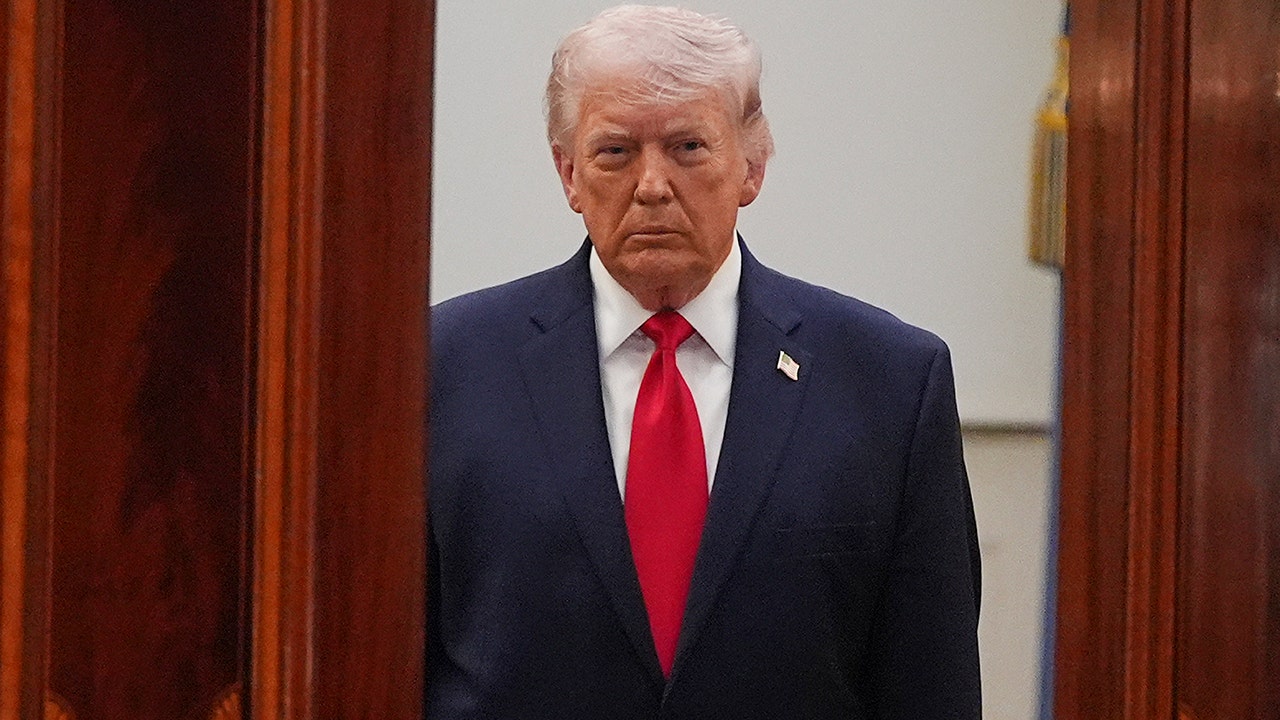
In a high-stakes showdown on Capitol Hill, House Republicans have blocked a Democratic attempt to curb President Donald Trump’s war powers amidst a two-week ceasefire between the U.S. and Iran. The clash highlights the ongoing power struggle between the two parties over military authority.
⚡ Key Facts
- The Core: House Republicans thwarted a Democratic war powers resolution aimed at ending the Iran conflict and limiting Trump’s ability to take further military action without congressional approval.
- The Breakdown: The battle underscores the deep divide between Democrats and Republicans on national security and foreign policy issues.
- The Impact: This contentious issue could have far-reaching implications for U.S. military involvement in the Middle East and future conflicts.
—
🔍 The Deep Dive
Why it’s happening: House Democrats, led by Rep. Glenn Ivey, sought to pass a war powers resolution in an effort to rein in Trump’s authority in Iran. However, House Republicans blocked the move, signaling continued disagreement over the president’s use of military force. Read more
From one perspective: Advocates for change suggest that Congress must assert its constitutional authority over matters of war and peace to prevent unilateral military actions by the president. They argue that the resolution was a necessary step to uphold democratic principles and prevent further escalation in the region. Read more
On the other hand: Conversely, critics maintain that the president should have the flexibility to respond to threats and protect national security interests without being hindered by congressional restrictions. They argue that the resolution could have tied the president’s hands in dealing with potential threats from Iran or other adversaries. Read more
🏁 The Bottom Line
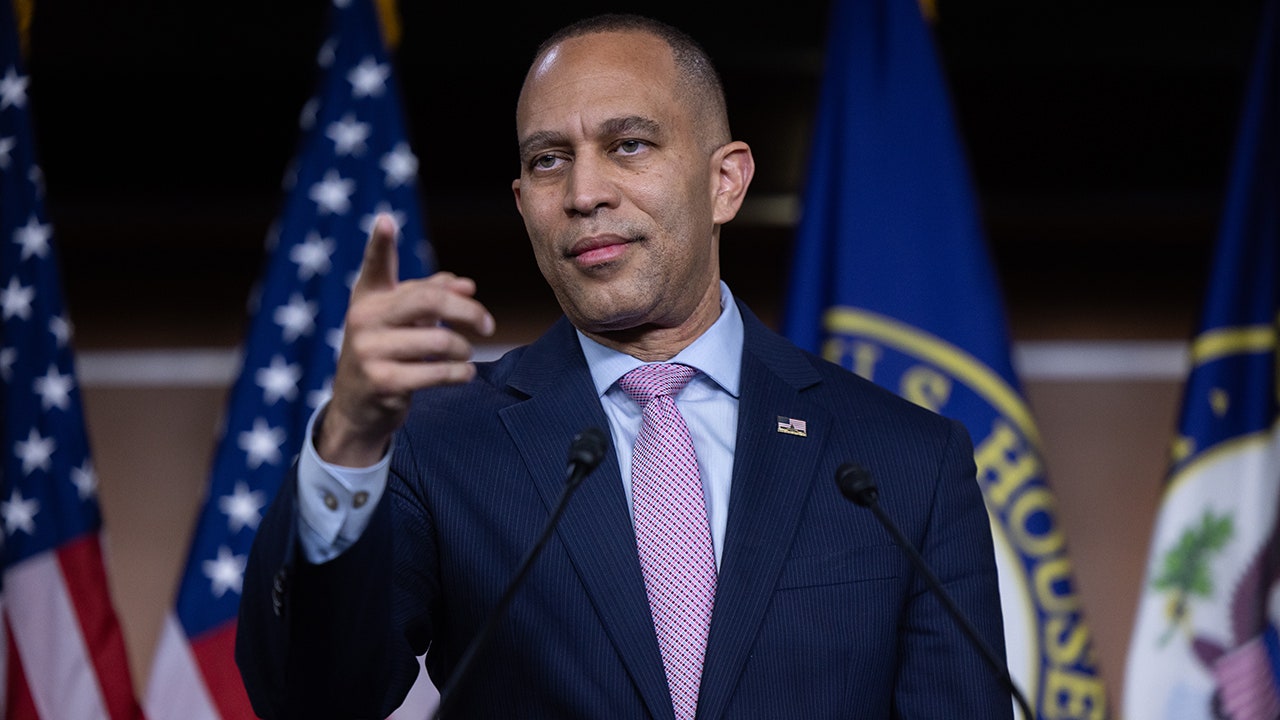
The standoff over war powers in Iran is far from over, with Democrats vowing to continue their efforts to limit Trump’s authority. As tensions in the Middle East remain high, all eyes will be on Congress to see how this power struggle unfolds in the coming weeks. House Republicans have blocked a Democratic attempt to curb President Trump’s war powers in relation to Iran. The vote, which was led by Democratic Caucus Chairman Hakeem Jeffries, aimed to limit the president’s ability to take military action against Iran without congressional approval.
The resolution sought to repeal the 2002 Authorization for Use of Military Force (AUMF) that authorized the Iraq War. Democrats argued that this outdated authorization should not be used to justify military action against Iran. However, Republicans argued that repealing the AUMF would send the wrong message to Iran and weaken the president’s ability to respond to threats.
The vote was largely along party lines, with Republicans voting against the resolution and Democrats supporting it. House Speaker Nancy Pelosi criticized the GOP for blocking the vote, accusing them of enabling the president to take unilateral military action without congressional oversight.
The issue of war powers has been a contentious issue in Congress, with many Democrats and some Republicans calling for greater congressional oversight of military actions. However, with Republicans controlling the Senate and the White House, it is unlikely that any significant changes to war powers will be made in the near future.