Japan triples tourist tax to fight overtourism starting July 1 this year
Japan triples tourist tax to fight overtourism starting July 1 this year
In a bold move to combat overtourism, Japan will be tripling its international tourist tax from 1,000 yen to 3,000 yen per person starting July 1. This decision comes as officials aim to balance tourism growth with the quality of life for residents and promote regional destinations.
⚡ Key Facts
- The Core: Japan is increasing its tourist tax to 3,000 yen per person to address the challenges of overtourism.
- The Breakdown: The government aims to reach 60 million inbound visitors and 15 trillion yen in tourism spending by 2030.
- The Impact: This decision is crucial in managing the influx of tourists while preserving the local environment and culture.
—
🔍 The Deep Dive
Why it’s happening: The rise in international visitors to Japan has led to concerns about overtourism, prompting officials to implement this tax increase. This move is part of the government’s strategy to achieve its tourism goals while maintaining a balance with local communities.
From one perspective: Advocates for change suggest that the tax hike will help regulate tourist numbers and reduce the negative impacts of overcrowding on popular destinations. By increasing the cost of visiting Japan, officials hope to encourage more sustainable tourism practices.
On the other hand: Critics argue that the tax increase may deter tourists from visiting Japan, potentially impacting the tourism industry and local businesses. Some believe that alternative solutions, such as implementing visitor quotas or stricter regulations, could be more effective in addressing overtourism.
🏁 The Bottom Line
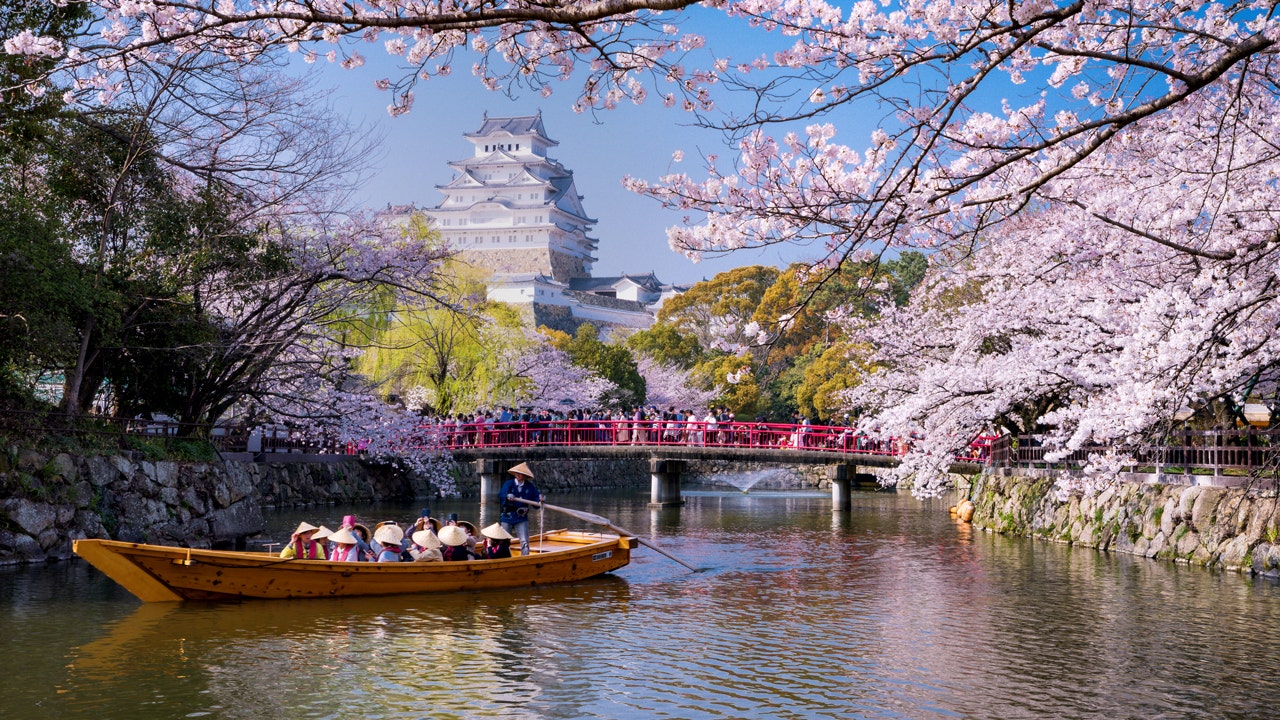
As Japan prepares to implement the tripled tourist tax, all eyes will be on how this decision influences tourist behavior and the overall tourism landscape. Stay tuned for updates on the impact of this measure on Japan’s tourism industry. Japan has announced that it will be tripling its tourist tax in an effort to combat overtourism, starting on July 1 of this year. The decision comes after a chaotic scene unfolded at a popular cherry blossom festival, where overcrowding forced officials to shut down the event.
The tourist tax, which is currently set at 1,000 yen (approximately $9) per person, will be increased to 3,000 yen (approximately $27) per person starting on July 1. The tax is expected to generate additional revenue for local governments and help manage the impact of tourism on popular destinations.
In recent years, Japan has seen a significant increase in tourism, with record numbers of visitors flocking to popular attractions like the cherry blossom festival. While tourism has brought economic benefits to the country, it has also put a strain on infrastructure and led to overcrowding at popular sites.
The decision to triple the tourist tax is part of a broader effort to promote sustainable tourism in Japan. The government is also implementing measures to disperse tourists to less crowded areas and encourage visitors to explore beyond the main tourist hotspots.
Tourism officials hope that the increased tax will help reduce the number of tourists visiting popular destinations during peak times, and encourage visitors to spread out their trips throughout the year. By managing the flow of tourists, Japan aims to protect its cultural heritage and natural beauty for future generations to enjoy.
Overall, the decision to triple the tourist tax reflects Japan’s commitment to addressing the challenges of overtourism and promoting responsible tourism practices. As the country prepares for the influx of visitors during the upcoming summer season, officials are hopeful that the increased tax will help mitigate the negative impacts of tourism on local communities and the environment.