Vance arrives in Pakistan for Iran ceasefire talks with Witkoff and Kushner
The arrival of Vice President JD Vance in Pakistan, along with U.S. Special Envoy Steve Witkoff and Jared Kushner, for high-stakes negotiations with Iran is a pivotal moment in international diplomacy. The talks aim to preserve a fragile ceasefire and prevent a broader regional war, following recent tensions between the U.S. and Iran.
⚡ Key Facts
- The Core: Vice President JD Vance leads negotiations with Iran in Pakistan.
- The Breakdown: Talks aim to maintain a ceasefire and avoid further conflict.
- The Impact: The outcome could determine the future stability of the region.
🔍 The Deep Dive
Why it’s happening: Vance’s visit comes after the U.S. launched Operation Epic Fury targeting Iran’s military infrastructure, leading to a diplomatic breakthrough and a ceasefire agreement. The talks in Pakistan are crucial for maintaining peace in the region and resolving ongoing conflicts.
From one perspective: Some Iranian officials have expressed cautious optimism about the talks, while emphasizing the need for continued dialogue and diplomacy. The involvement of Pakistan as a neutral intermediary adds another layer of complexity to the negotiations, with the country facing security challenges amidst persistent terrorism threats.
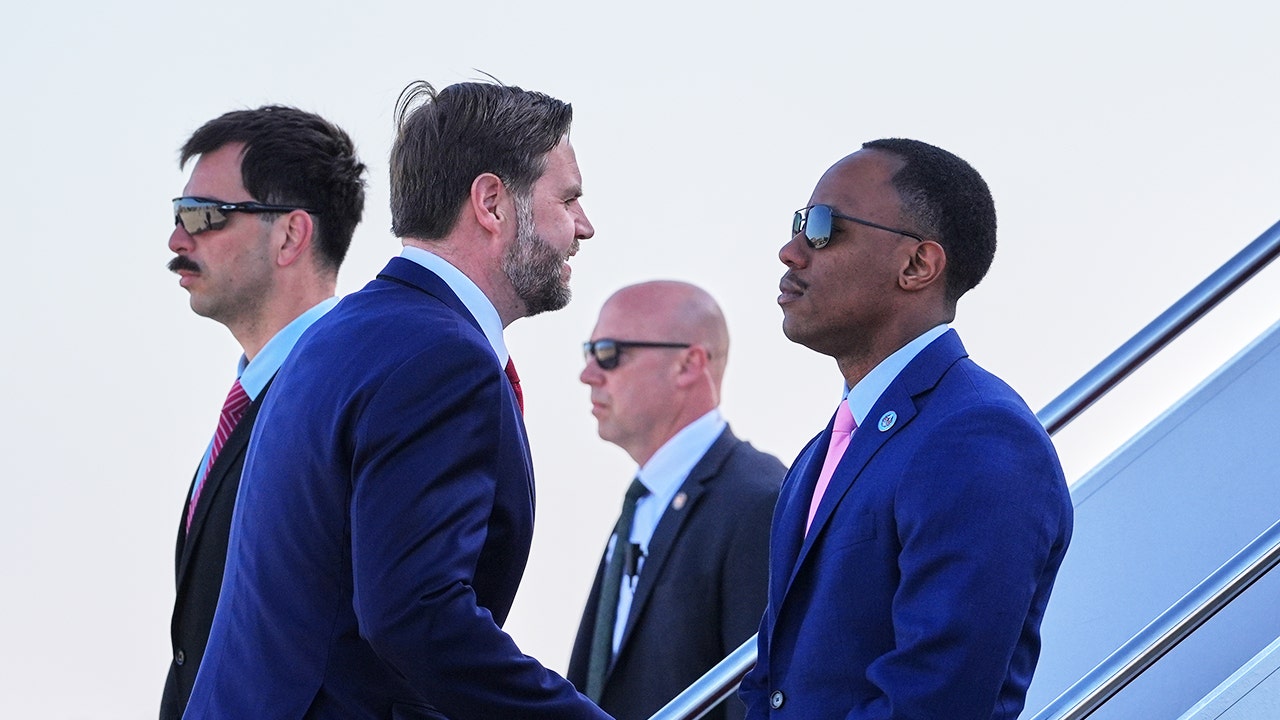 On the other hand: Critics of the potential ceasefire talks argue that it may embolden Iran and jeopardize regional stability. From a security perspective, there are concerns about the long-term implications of engaging with a regime known for its support of terrorism. Embed a link to the source.
🏁 The Bottom Line
As Vance, Witkoff, and Kushner engage in high-stakes talks in Pakistan, the outcome of these negotiations will have far-reaching consequences for the region. Keep an eye on how the delicate balance of power in the Middle East may shift following these discussions.