WNBA player Brianna Turner claims new IOC policy doesn’t protect women
WNBA player Brianna Turner claims new IOC policy doesn’t protect women
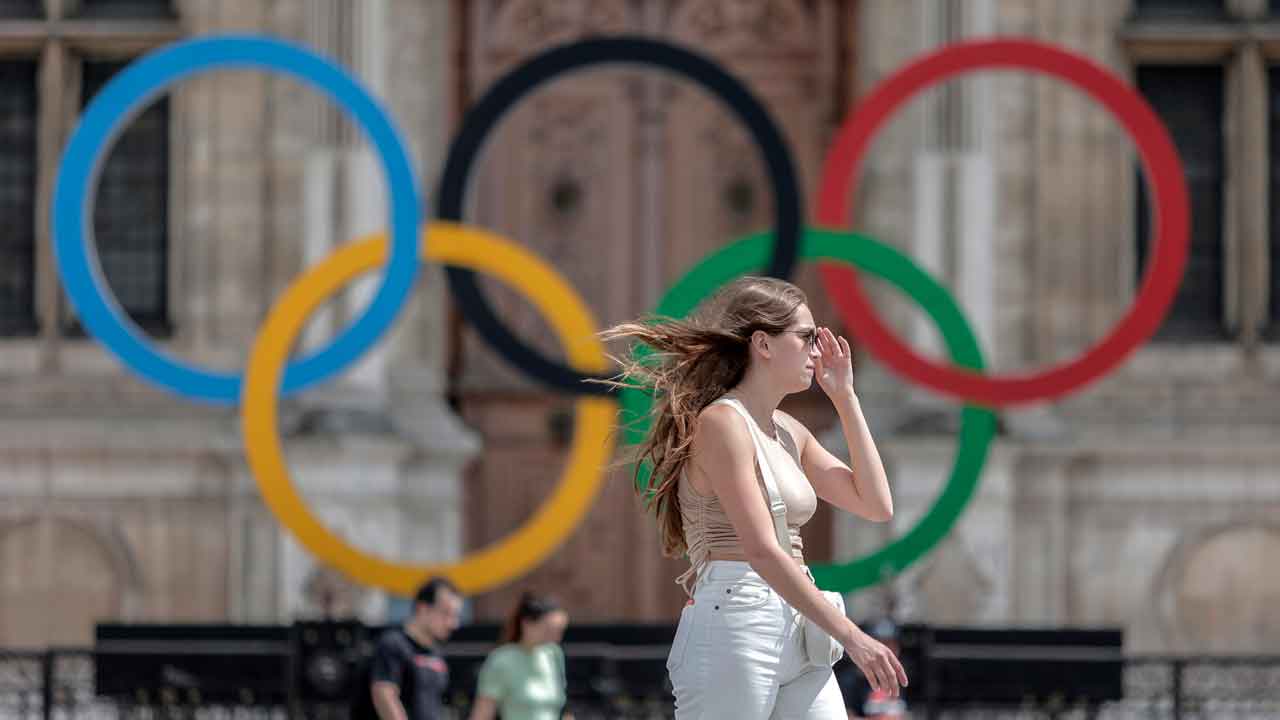
In a bold stance against the International Olympic Committee’s (IOC) new policies barring biological males from competing in female sports, WNBA player Brianna Turner has spoken out, asserting that the measures do not serve to protect women. Turner’s opposition to the IOC’s decision comes amidst a wave of controversy surrounding transgender athletes in elite sports.
⚡ Key Facts
- The Core: Brianna Turner criticizes the IOC’s new policy on transgender athletes, stating it fails to protect women in sports.
- The Breakdown: The IOC’s decision to limit female category events to biologically female athletes has sparked debate on fairness and inclusivity in sports.
- The Impact: Turner’s outspoken criticism sheds light on the complex intersection of gender identity and competition in athletics.
—
🔍 The Deep Dive
Why it’s happening: Brianna Turner’s critique of the IOC’s new policy stems from her belief that singling out transgender athletes does not address the real challenges facing women in sports. She argues that issues such as unequal funding, limited access to training, and pay disparities are being overlooked in favor of targeting specific groups.
From one perspective: Advocates for change suggest that the IOC’s focus on biological sex in sports may inadvertently exclude transgender athletes and perpetuate discrimination. Turner’s call for fairness and inclusivity highlights the need for a more comprehensive approach to addressing gender diversity in athletics.
On the other hand: Critics of the IOC’s new policy argue that maintaining separate categories for biological males and females is essential for upholding the integrity and fairness of women’s sports. They contend that allowing transgender athletes to compete in female events could create an uneven playing field and undermine the principles of competitive sports.
🏁 The Bottom Line
As the debate over transgender inclusion in sports continues to unfold, the stance taken by athletes like Brianna Turner serves as a catalyst for important conversations on gender, fairness, and representation in athletics. Moving forward, the intersection of identity and competition is likely to remain a contentious issue in the world of sports. WNBA player Brianna Turner recently spoke out against the International Olympic Committee’s (IOC) new policy allowing transgender athletes to compete in women’s sports without undergoing gender reassignment surgery. Turner expressed her concerns, stating that the policy does not adequately protect women in sports.
Turner, who plays for the Phoenix Mercury in the WNBA, argued that the new policy puts female athletes at a disadvantage by allowing individuals who were born male to compete against them. She emphasized the physical differences between male and female athletes, stating that transgender athletes who were born male may have an unfair advantage in terms of size, strength, and speed.
The IOC’s new policy, which was implemented in 2015, allows transgender athletes to compete in women’s sports if their testosterone levels are below a certain threshold for at least 12 months prior to competition. However, Turner believes that this is not enough to level the playing field for female athletes.
Turner’s comments have sparked a larger debate about transgender inclusion in sports and the need to ensure fair competition for all athletes. While many advocate for inclusivity and acceptance of transgender athletes, others, like Turner, are concerned about the potential impact on women’s sports and the need to protect the integrity of competition.
As the conversation continues, it is clear that finding a balance between inclusivity and fairness in sports will be a complex and ongoing challenge for organizations like the IOC. Turner’s perspective sheds light on the concerns of female athletes and the importance of considering all perspectives in shaping policies that impact the world of sports.