Swalwell and Gonzales resign from Congress amid looming expulsion threat
It’s about ensuring the integrity of the institution and making sure that Members of Congress are held accountable for their actions," Jeffries replied.
But what if the imbalance is pronounced?
"That’s a hypothetical. I’m not going to get into hypotheticals," Jeffries said.
There are other variables at play here.
House Speaker Mike Johnson wants to move on Cherfilus-McCormick first.
"We’re not going to get ahead of ourselves. We’ve got a lot of work to do," said Johnson.
But as the House potentially moves against Cherfilus-McCormick, the chamber may then be forced to wrestle with the case of Cory Mills.
There’s another issue: timing.
Johnson is mindful of the calendar. Election-year politicking has already entered the fray. It’s unclear if there would be time on the House schedule to tackle expulsion proceedings before the November election.
And then there’s the issue of backlash.
Expelling a Member is a significant step. It’s a public shaming. It’s a formalized way to declare someone unfit to serve in Congress. It’s a rebuke of the electorate who sent that person to Washington.
Johnson says these are all important considerations. And he says it’s important to get it right.
"We need to handle this process with the appropriate care and caution. We’re not going to rush to judgment. We’re going to make sure that we thoroughly examine the facts and that we’re fair to everyone involved," Johnson said.
So, for now, the House remains in a holding pattern. Two Members resigned. Two Members may soon face expulsion. The math in the House could be thrown askew if one is expelled and not the other. And the calendar is ticking.
But as Johnson says, the House will take its time and get it right.
In the meantime, the House is done with "expulsion week." Instead, it’s "resignation week."
## Swalwell and Gonzales resign from Congress amid looming expulsion threat
In a shocking turn of events, Representatives Swalwell and Gonzales have resigned from Congress amidst a looming threat of expulsion. This development has sent shockwaves through Capitol Hill, with many wondering about the implications of their sudden departure.
⚡ Key Facts
- The Core: Representatives Swalwell and Gonzales have resigned from Congress amid an expulsion threat.
- The Breakdown: The House was facing the unprecedented possibility of expelling four members, but the situation shifted with these resignations.
- The Impact: This resignation has raised questions about the ethics process and the handling of disciplinary actions in Congress.
—
🔍 The Deep Dive
Why it’s happening: Swalwell and Gonzales decided to resign as a preemptive move to avoid potential expulsion from Congress. The House was facing a critical decision, and their resignations have changed the dynamics of the situation.
From one perspective: Advocates for change suggest that these resignations are a step towards accountability and integrity in Congress. The move to step down voluntarily may be seen as a sign of taking responsibility for their actions.
On the other hand: Conversely, critics maintain that the resignations may be a strategic move to avoid facing disciplinary actions. Some question the timing and motives behind the sudden decision to resign.
🏁 The Bottom Line
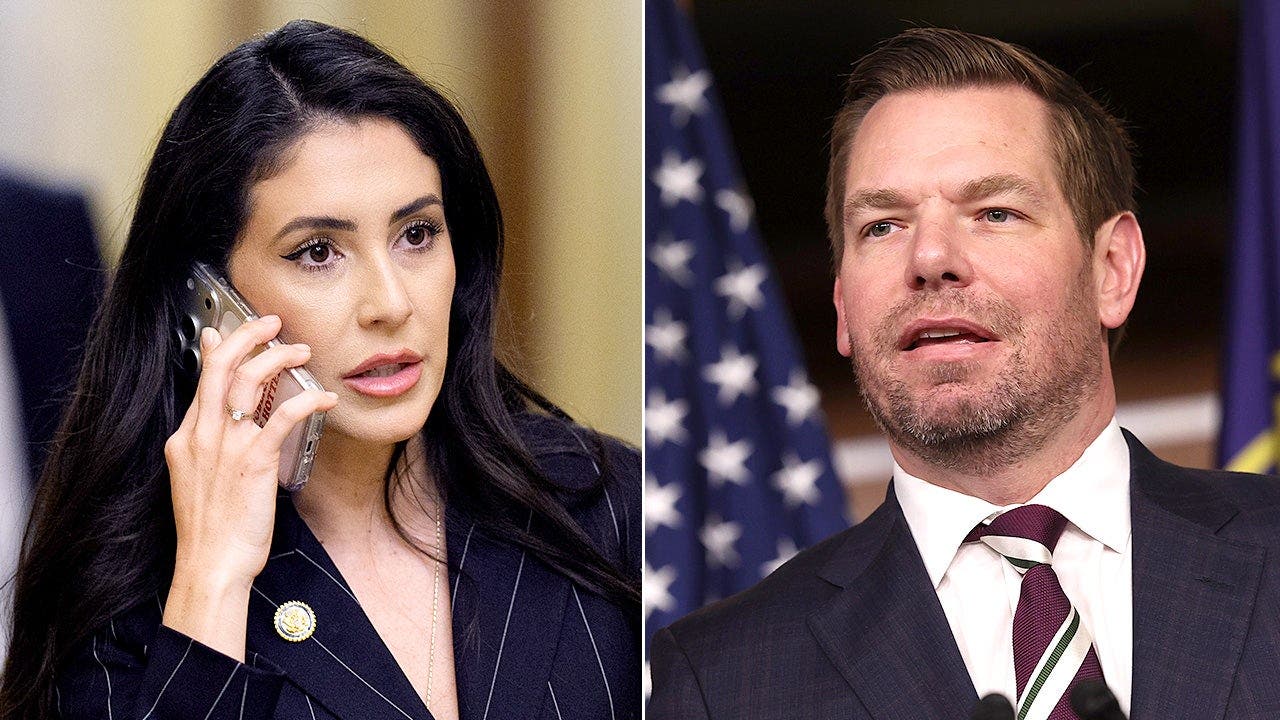
As Congress navigates through this unprecedented situation, all eyes will be on the next steps in the ethics process. The resignations of Swalwell and Gonzales have opened up a new chapter in the ongoing debate about accountability and integrity in Congress. Democratic Rep. Eric Swalwell of California and Republican Rep. Tony Gonzales of Texas have both resigned from Congress amid a looming threat of expulsion. The House of Representatives was facing the unprecedented possibility of expelling four members in a single week, but Swalwell and Gonzales chose to resign instead.
Swalwell, who has served in Congress since 2013, faced allegations of having a sexual relationship with a Chinese spy. He has denied the allegations, but the House Ethics Committee was investigating the matter. In a statement, Swalwell said he was resigning to spare his colleagues from having to vote on his expulsion.
Gonzales, who was elected to Congress in 2020, faced allegations of financial misconduct. He also denied the allegations but chose to resign to avoid further distractions for his family and constituents.
The resignations of Swalwell and Gonzales mean that the House will not have to vote on their expulsion, avoiding what would have been a highly unusual and contentious process. The House has only expelled members on rare occasions in its history, and expelling four members in a single week would have been unprecedented.
The resignations of Swalwell and Gonzales come at a time of heightened political tensions in Washington, with both parties facing internal divisions and external challenges. The House will now have to hold special elections to fill the vacancies left by Swalwell and Gonzales, adding to the uncertainty and instability in Congress.
Overall, the resignations of Swalwell and Gonzales represent a significant development in the ongoing turmoil in Congress, as lawmakers grapple with serious allegations and the possibility of expulsion. The fallout from these resignations is likely to have lasting implications for both parties and for the future of Congress as an institution.