Supreme Court reverses lower court ruling, hands Chevron victory in environmental lawsuit
Supreme Court reverses lower court ruling, hands Chevron victory in environmental lawsuit
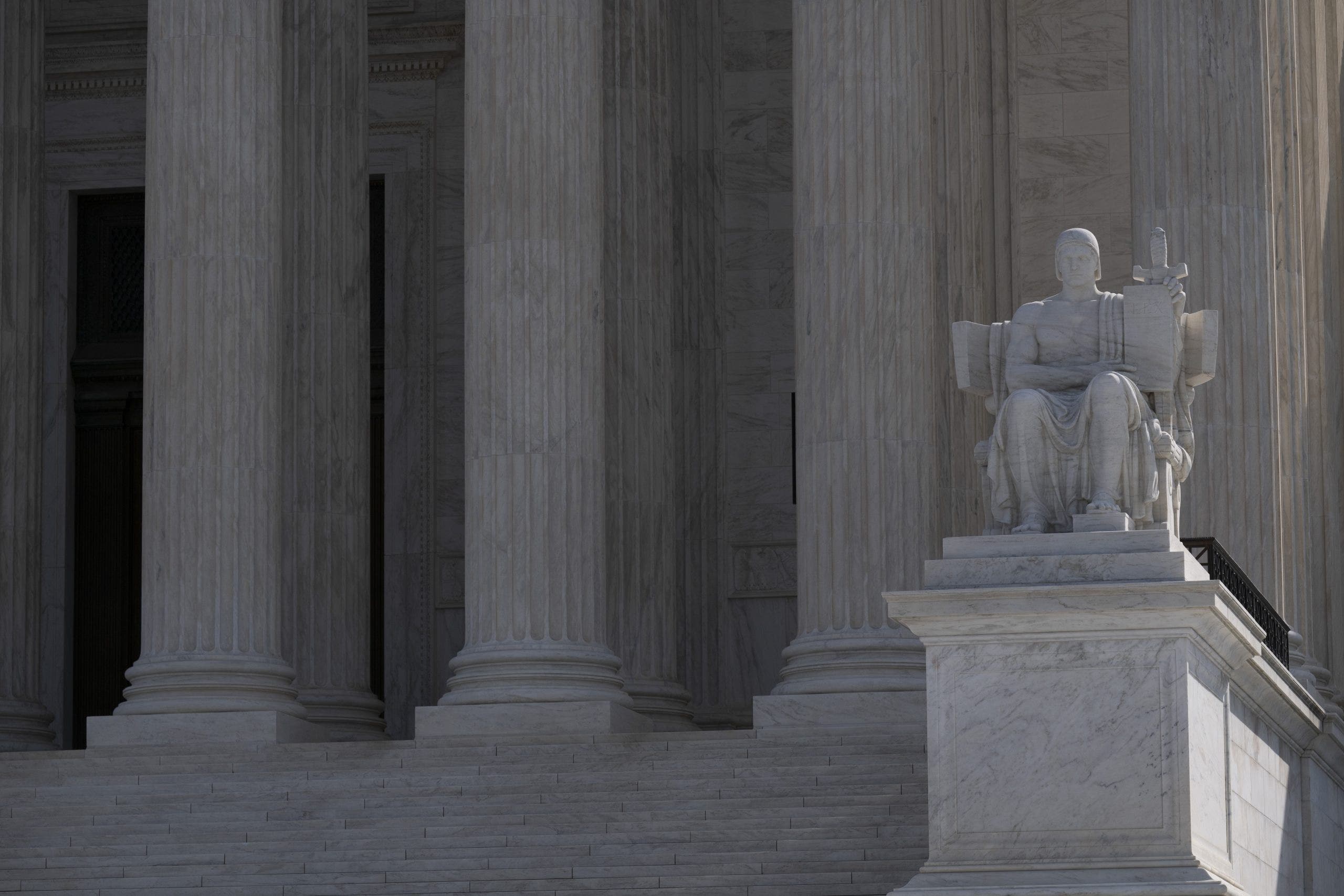
In a groundbreaking decision, the Supreme Court ruled in favor of Chevron in a case involving a Louisiana environmental lawsuit, allowing the company to move the case from state to federal court. This ruling marks a significant victory for Chevron in a legal battle that has been closely watched by environmentalists and industry stakeholders alike.
⚡ Key Facts
- The Core: The Supreme Court sided with Chevron in a case involving the federal officer removal statute.
- The Breakdown: The ruling allows Chevron to transfer the environmental lawsuit from state court to federal court.
- The Impact: This decision has major implications for the future of similar environmental lawsuits and the jurisdiction of federal courts.
—
🔍 The Deep Dive
Why it’s happening: The Supreme Court’s decision in Chevron USA Inc. v. Plaquemines Parish has sparked debate over the boundaries of federal and state jurisdiction in environmental cases. For more information, you can read the full report here.
From one perspective: Advocates for environmental protection argue that this ruling may set a precedent that could limit the ability of local communities to hold corporations accountable for environmental damage. They express concerns about the potential impact on future environmental litigation. Read more about this viewpoint here.
On the other hand: On the other hand, supporters of the ruling highlight the importance of upholding federal law and ensuring a fair legal process for all parties involved. They contend that the decision aligns with existing legal frameworks and promotes consistency in the application of federal statutes. Learn more about this perspective here.
🏁 The Bottom Line
As this case continues to unfold, it will be crucial to monitor how the ruling impacts future environmental lawsuits and the balance between federal and state jurisdiction. The outcome of this legal battle could have far-reaching consequences for the environmental and legal landscape in the United States.