Galway, Ireland, considers new tourist tax that may raise $2.1M in annual revenue
Galway, Ireland, considers new tourist tax that may raise $2.1M in annual revenue
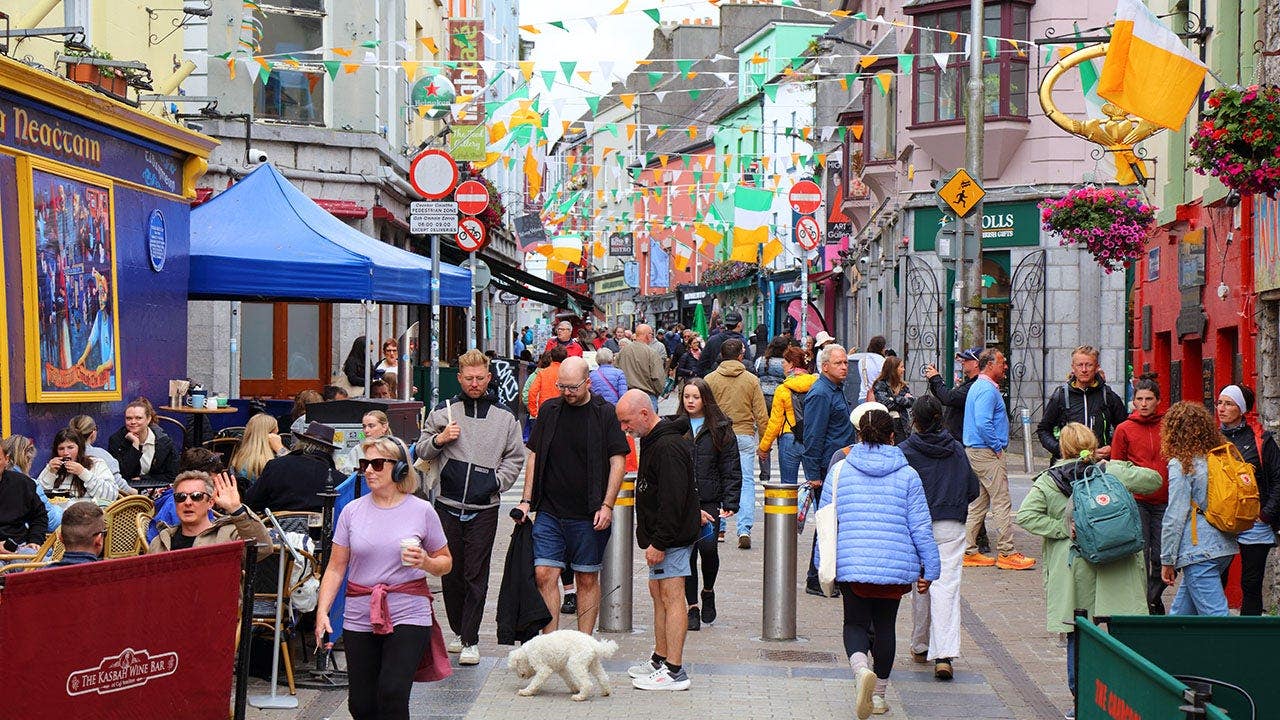
In a bold move to address overtourism and infrastructure issues, the city of Galway in Ireland is contemplating a tourist tax that could generate over $2.1 million annually, according to The Connacht Tribune newspaper. This potential tax would entail a charge of $1.10 to $2.20 per visitor, per night, for tourists staying in hotels or short-term lodging.
⚡ Key Facts
- The Core: Galway is mulling over a tourist tax to tackle overtourism and generate additional revenue.
- The Breakdown: The proposed tax aims to alleviate the strain on infrastructure caused by the influx of visitors.
- The Impact: This decision has sparked debate among locals and industry stakeholders about the potential implications of such a tax.
—
🔍 The Deep Dive
Why it’s happening: The city of Galway, known for its medieval charm and historical landmarks, is considering implementing a tourist tax to manage the impact of tourism influx on its infrastructure and services. Read more
From one perspective: Advocates for the tax suggest that it is a common practice in many European countries and could help fund necessary improvements to accommodate the growing number of visitors. Critics, however, argue that such a tax could deter tourists and have negative economic consequences for the city. Read more
On the other hand: From a fiscal standpoint, the revenue generated from the tourist tax could be vital in enhancing infrastructure and services for both tourists and residents. However, concerns have been raised about the potential impact on tourism numbers and the city’s economy. Read more
🏁 The Bottom Line
The decision on whether to implement a tourist tax in Galway will have significant implications for the city’s tourism industry and economy. It remains to be seen how this proposal will be received by the local community and visitors alike. The city council of Galway, Ireland, is considering implementing a new tourist tax in order to raise an estimated $2.1 million in annual revenue. The proposed tax would apply to visitors staying in hotels, guesthouses, and hostels in the popular tourist destination.
The idea for the tax comes as a response to the increasing number of tourists visiting Galway each year, putting a strain on the city’s infrastructure and services. The revenue generated from the tax would be used to fund improvements to public services, transportation, and tourist facilities in the city.
While the tax has not been officially approved yet, it has sparked debate among local officials and residents. Some argue that it is necessary to help manage the impact of tourism on the city, while others worry that it may discourage visitors from coming to Galway.
If the tax is implemented, it would join a growing trend of tourist taxes being introduced in popular destinations around the world. Cities such as Venice, Amsterdam, and Barcelona have already implemented similar taxes in an effort to manage the influx of visitors and generate additional revenue.
Overall, the decision on whether or not to implement the tourist tax in Galway will likely have significant implications for the city’s tourism industry and economy. It remains to be seen how visitors and residents will respond to the proposed tax and how it will impact the future of tourism in Galway.