Trump may claim Iran victory but a deeper NATO fracture looms large
Vice President JD Vance visits a school in Pakistan during a diplomatic visit to Islamabad on March 5, 2026. (U.S. Department of State)
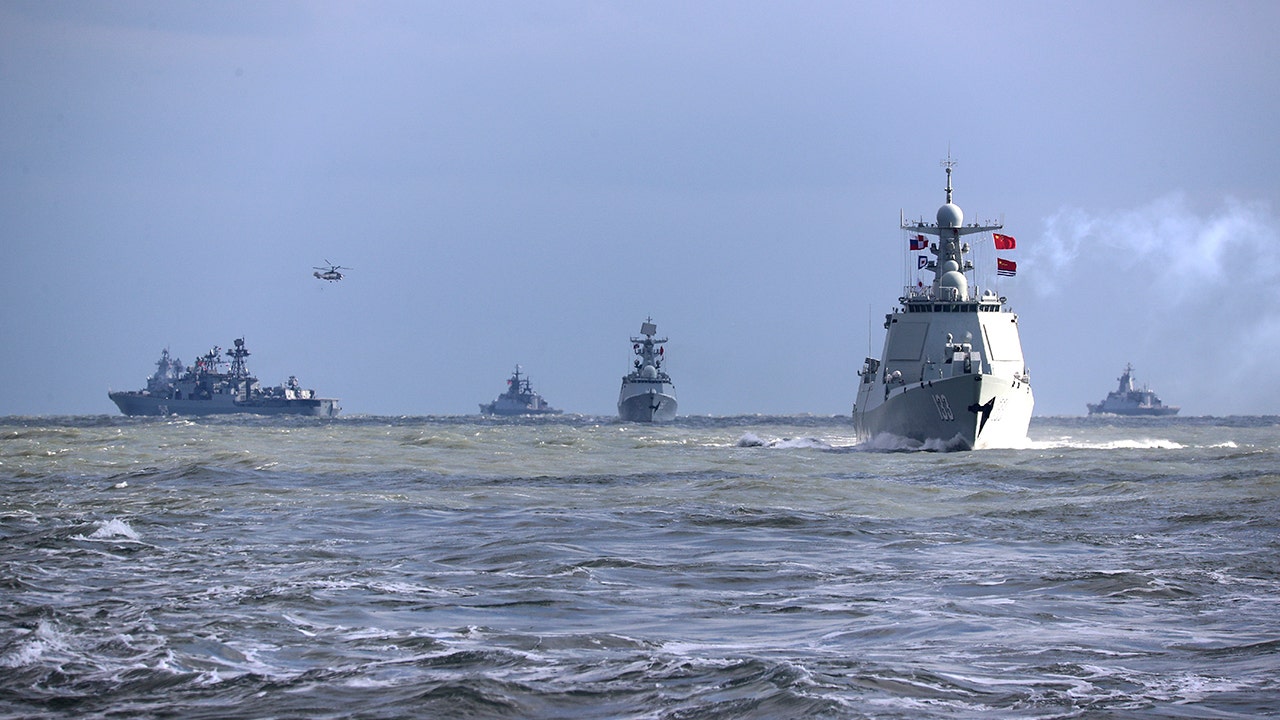
The Iran conflict may be ending — though the echoes will reverberate for years — but a bigger war looms on the horizon. It’s a war of ideas, of alliances, of core geopolitical assumptions. And in that war, the United States is already a reluctant participant.
It’s a war that cannot be won by bunker-busting or carrier strikes — but only by convincing friends and allies that our vision of the world remains one worth fighting for. And in that war, the hardest part is yet to come.
Tom Rogan is a foreign policy commentator for the Washington Examiner and a former panelist on "The McLaughlin Group." He tweets @TomRtweets.
Summary: The article discusses the potential fallout from the conflict with Iran, highlighting the deeper geopolitical consequences beyond the immediate victory claims. It explores how a China-Russia-Iran strategic alignment is accelerating the fracture of the post-Cold War world order, which could impact the transatlantic alliance. The article also touches on the strain within NATO as a result of the Iran conflict and the implications for US strategic alliances. ## Trump may claim Iran victory but a deeper NATO fracture looms large
Brace yourself for the latest and breaking news on Fox News as Vice President JD Vance’s talks with Iranian officials in Pakistan hint at a bigger war on the horizon.
⚡ Key Facts
- The Core: Vice President JD Vance engages in talks with Iranian officials in Pakistan.
- The Breakdown: China and Russia use the Iran conflict to study American military operations in real-time.
- The Impact: The victory over Iran may come at the cost of straining the NATO alliance and strengthening a Sino-Russian partnership.
—
🔍 The Deep Dive
Why it’s happening: Vice President JD Vance’s recent talks with Iranian officials in Pakistan shed light on a broader civilizational contest currently underway. This conflict serves as a chapter in a larger narrative of great-power competition. Read more
From one perspective: Advocates for change suggest that the U.S. National Security Strategy’s treatment of China and Russia as separate issues is a strategic blind spot that could lead to eventual defeat. President Trump’s victory over Iran may be overshadowed by a weakening NATO alliance and a strengthened Sino-Russian partnership. Read more
On the other hand: Conversely, critics maintain that winning in Tehran while losing in Brussels and Beijing could be a strategic setback disguised as a tactical success. The moment is ripe for critical deals with NATO and against the axis, before victory becomes the end rather than the beginning of a new strategic chapter. Read more
🏁 The Bottom Line
As President Trump potentially declares victory over Iran, the key takeaway is to watch for the implications on the NATO alliance and the evolving dynamics of the Sino-Russian partnership in the global landscape. President Trump may claim victory in the recent conflict with Iran, but a deeper fracture within NATO is looming large. While the United States and its allies were able to de-escalate tensions with Iran, the aftermath of the conflict has highlighted divisions within the NATO alliance.
Trump’s decision to order the strike that killed Iranian General Qasem Soleimani without consulting NATO allies has raised concerns about the United States’ commitment to the alliance. Some NATO members, including Germany and France, have criticized the U.S. for acting unilaterally and have called for greater coordination within the alliance.
These tensions could have far-reaching implications for NATO’s ability to respond to future crises. If the alliance is unable to work together effectively, it could weaken its ability to deter aggression and maintain stability in the region.
In addition, Trump’s push for NATO members to increase their defense spending has also caused friction within the alliance. While some members have committed to meeting the 2% of GDP defense spending target, others have been slow to fulfill their obligations.
Overall, while Trump may claim victory in the recent conflict with Iran, the deeper fracture within NATO poses a significant challenge to the alliance’s unity and effectiveness. It will be crucial for NATO members to address these divisions and work together to ensure the alliance remains strong and capable of responding to future threats.