
Trump’s TSA privatization push threatens a key federal workforce

We have seen this story before: Anti-government ideologues and their corporate allies target a government service that works, label it inefficient and propose handing it to private companies where profit comes first and accountability comes last. Now they have focused attention on the Transportation Security Administration and the workforce that screens millions of airline passengers every day.
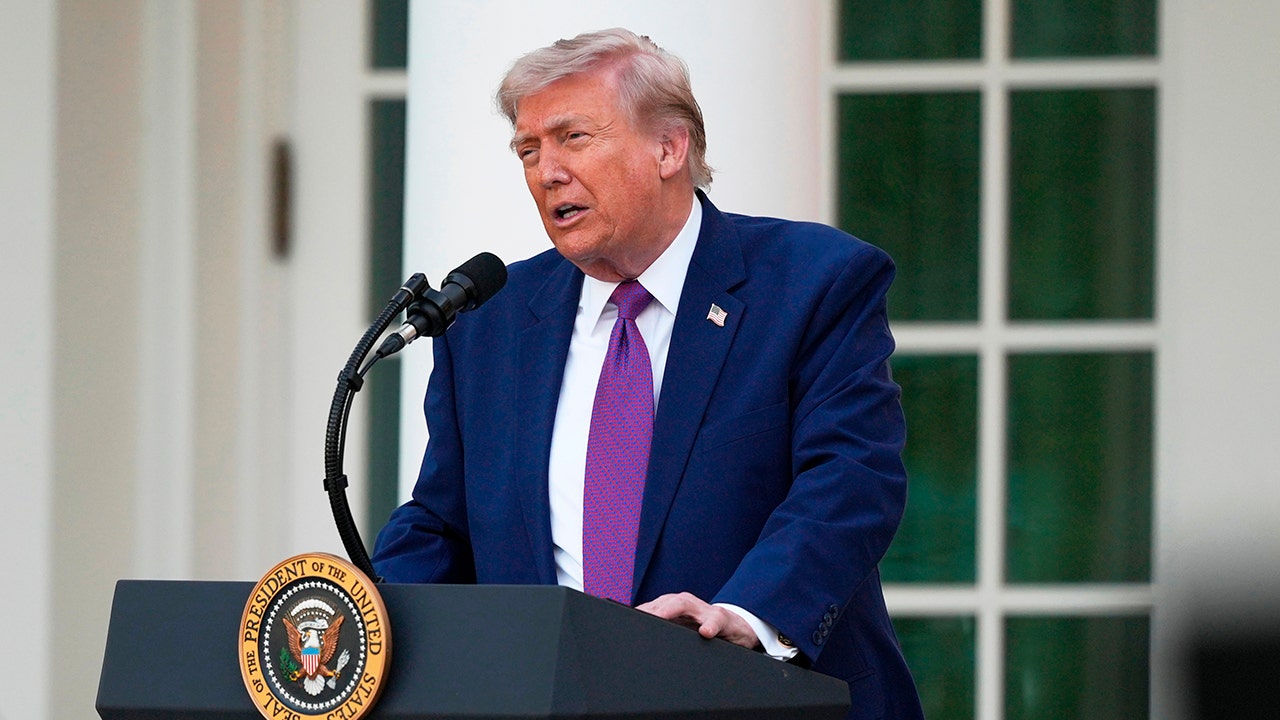
President Donald Trump proposed a fiscal year 2027 budget that would force privatization at smaller airports and cut TSA staffing. Recent reports revealed that secret plans have been in the works to privatize the TSA in every airport for months — going way beyond Trump’s public proposal. They’re dubbing it TSA’s “GoldPlus” program, but all it does is move the system toward a fragmented, contractor-driven model and line billionaires’ pockets.
The groundwork has already been laid. Last year, former Department of Homeland Security Secretary Kristi Noem issued two orders aimed at dismantling collective bargaining rights for TSA officers. Weakening worker protections does not improve security. It makes it easier to enact privatization by silencing workers’ voices.
I’m all for modernizing, especially the obscure civil service rules that limit transportation security officers’ pay and workplace rights.
This push to privatize airport security is not about efficiency, long lines or saving taxpayer money, but about weakening unions, enriching contractors and dismantling a federal workforce that has spent more than two decades proving it can perform one of the most demanding jobs in public service.
This is what I plan to tell the House Homeland Security Committee on Wednesday, when it meets for a hearing on modernizing the TSA. I’m all for modernizing, especially the obscure civil service rules that limit transportation security officers’ pay and workplace rights. Those limits make a hard job even harder. But privatizing is not modernizing; privatizing TSA would put at risk the safety of millions of Americans on a shopworn idea that was widely embraced on Sept. 11, 2001, when thousands of people were killed on U.S. soil.
After those terrorist attacks, Congress made the bipartisan decision that airport security was too important to be left to companies competing for the lowest bid and the highest shareholder profits. That decision created the Transportation Security Administration and a professional federal workforce. TSA officers are not just screeners. They take an oath, pass extensive background checks and complete rigorous training that private contractors do not and cannot match.

Before 2001, when private contractors handled screening, workers were underpaid, undertrained and stretched thin. The consequences, as we saw on 9/11, were catastrophic. Today many of the same interests running airport security are eager to return. They are seeking large contracts and making familiar promises.
Privatization advocates have shifted their argument. For example, The Washington Post editorial board and the Cato Institute argue that tying aviation security to federal funding creates instability and that privatization would shield TSA workers from government shutdowns. That argument might sound reasonable, but it’s not.
Contractors rely on federal funding and ultimately face the same risks during shutdowns. Privatization would not fix that problem. It would likely make it worse. Private workers lack federal protections and long-term stability. If profits shrink, companies can cut corners or walk away.
Passengers faced long lines during the recent historically long funding lapse not because the workforce failed but because elected officials failed to act. That is a political failure, not an operational one.
Congress should work in a bipartisan manner to fix the problem caused by shutdowns without gutting TSA. The recent disruption did not expose a broken system. It created an opportunity to claim that it is. That is not reform. It is opportunism that benefits contractors at the expense of workers and passengers.
Suggestions that TSA be privatized reflects a clear pattern: Undermine the workforce, weaken the union, then argue that privatization is the solution. That pattern is already underway.
Congress should work in a bipartisan manner to fix the problem caused by shutdowns without gutting TSA.
Claims that privatization would save money also fall short. The Screening Partnership Program already allows private contractors at a few airports, yet it has not consistently improved security or reduced costs. When larger airports have studied the proposal, they have walked away from it. In California, Sacramento County’s Board of Supervisors reversed its own earlier vote and rejected privatization after reviewing the facts. Lower standards, weaker oversight and higher turnover are not theoretical risks. These are well-understood outcomes.
The federal model works because it prioritizes stability and professionalism. After pay improvements in 2023, officer attrition dropped from 17.1% in 2022 to 8.6% in 2024. Fair pay keeps experienced officers on the job and strengthens security.
On the other hand, turnover is costly. Hiring and training new officers requires significant investment, and constant churn creates gaps in experience. A privatized system built on lower wages would increase that churn and weaken the workforce over time.

Unions are not an obstacle. They ensure officers can raise concerns about staffing, training and working conditions that directly affect security. Removing those protections would erode the progress made over the past two decades.
The American Federation of Government Employees represents officers at more than 400 airports who protect the traveling public every day. They intercept weapons, identify threats and prevent incidents that rarely make headlines. Their work depends on consistency, experience and accountability. Americans respect the work that transportation security officers do, with 95% rating them as professional and respectful, a very high bar for any organization, public or private, to meet.
Americans deserve to know that the people responsible for their safety are there because they meet the highest standards, not because they were the lowest bidder.
The solution to political dysfunction is not to outsource a core government safety function. The solution calls for Congress to do its job. For example, passing the bipartisan Shutdown Fairness Act would ensure that transportation security officers are paid during funding lapses, mooting one of the main recent arguments for privatization. Policymakers should reject efforts to expand privatization and instead strengthen the federal workforce that keeps the American people safe.

Everett Kelley is the national president of the American Federation of Government Employees, the largest union representing federal and D.C. government employees.