Key questions go unanswered as U.S. military strikes on civilian boats claim 200 lives

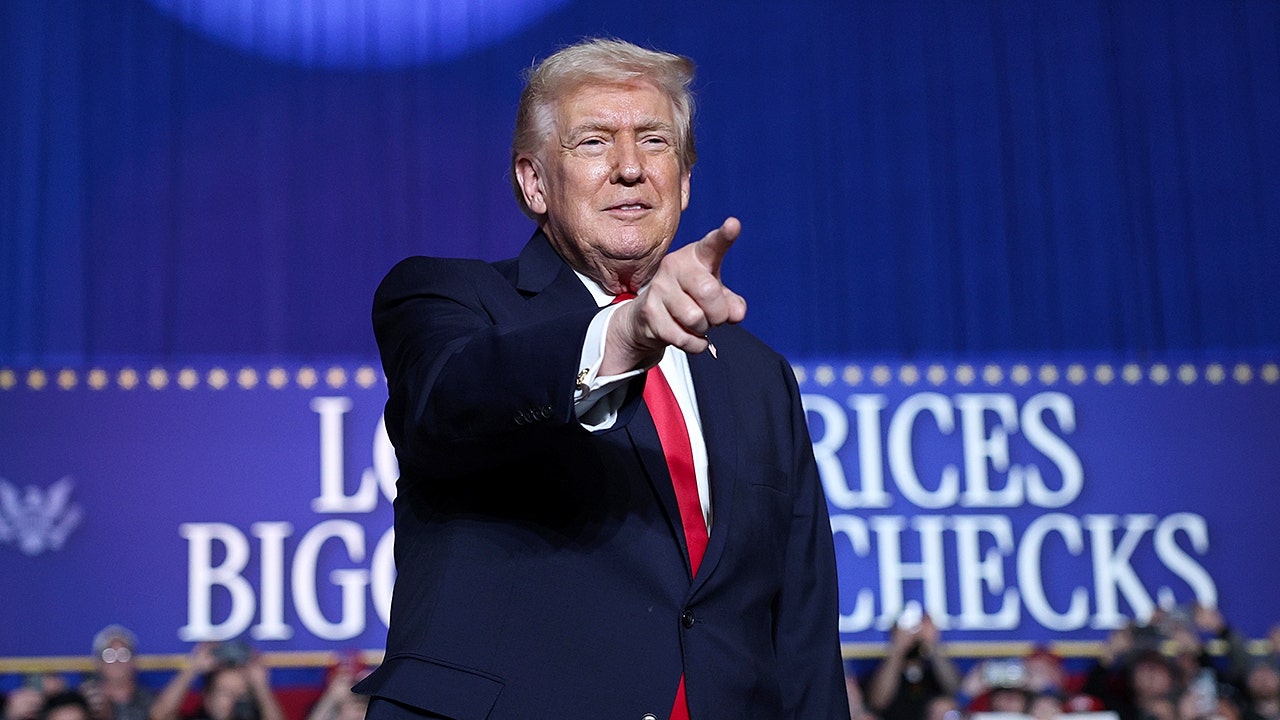
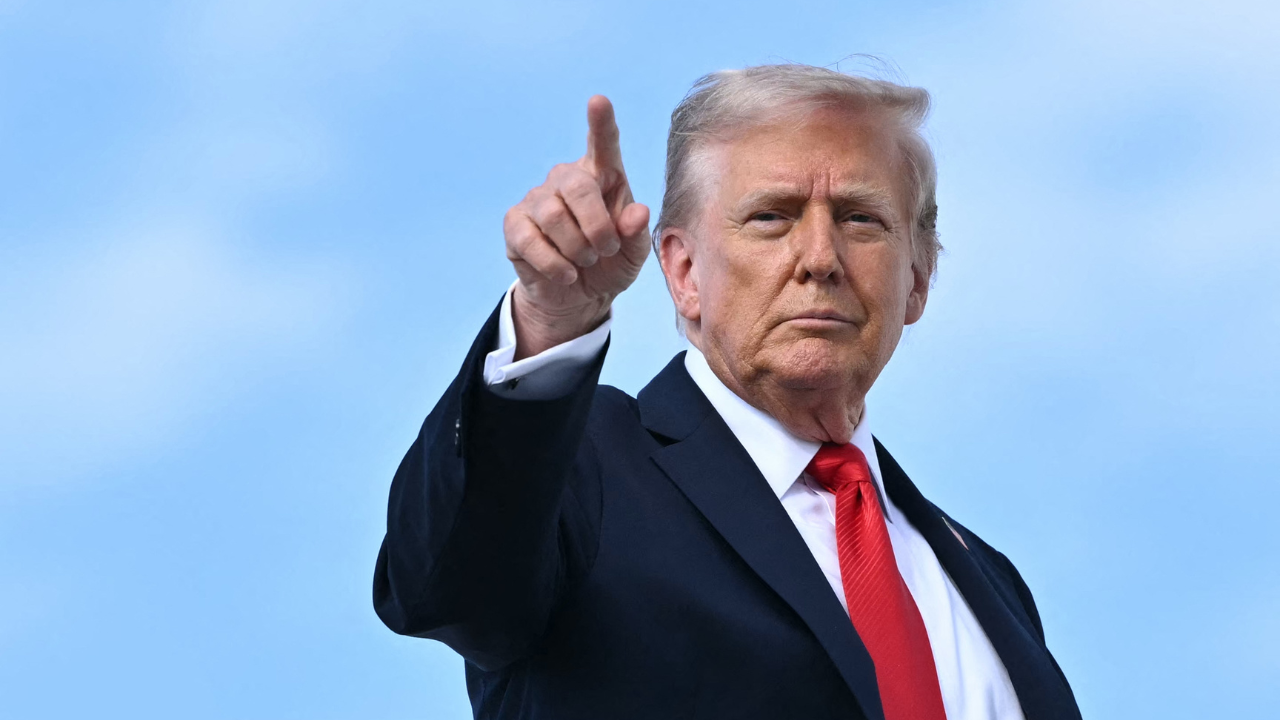
The first step was taken in September. President Donald Trump ordered a deadly military strike against a civilian boat in international waters, and according to the White House, the operation killed 11 people. Two weeks later, there was another, followed by a third strike four days later.
Week after week, month after month, the operations kept going, as the administration continued to target these boats and kill much of their crews. The Associated Press reported late Friday on the latest strike, and the crossing of a stunning fatality benchmark:
The U.S. military said it carried out another strike Friday on a boat accused of smuggling drugs in the eastern Pacific Ocean, killing three men in the third attack this week and pushing the overall death toll above 200 people.
U.S. Southern Command announced the latest strike in the monthslong campaign against alleged drug boats traversing the Caribbean Sea and eastern Pacific with its usual language that the vessel was “engaged in narco-trafficking operations” and operated by a designated terrorist organization. It provided no evidence.
According to The New York Times’ updated tally, Friday’s strike was the 62nd since the campaign began in September, and the overall death toll now stands at 205.
When the number of strikes against civilian boats in international waters first started climbing, the entire policy didn’t just generate front-page headlines, it also faced foundational questions about the propriety of the military campaign.
Roughly nine months later, the strikes have become so common that the coverage has moved off front pages, but the underlying questions haven’t changed.
They also haven’t been answered.
We don’t know whether there have been other strikes that haven’t been disclosed. We don’t know who has been killed. We don’t know if Team Trump is telling the truth about whether the targets were actually narco-terrorists.
We also don’t know whether any of these extrajudicial killings have been legal, though a great many legal experts have argued that they are not. Indeed, NBC News reported in November that the senior military lawyer for the combatant command overseeing the lethal strikes reached the same conclusion.
Recommended

Steve Benen is a producer for “The Rachel Maddow Show,” the editor of MaddowBlog and an MS NOW political contributor. He’s also the bestselling author of “Ministry of Truth: Democracy, Reality, and the Republicans’ War on the Recent Past.”
Latest Post