What you need to know about the biggest Supreme Court cases still being decided

It’s June, but there’s no summer recess yet for the Supreme Court justices — they are about to go into a marathon month, handing down a flurry of decisions in cases that will affect many Americans, covering issues including immigration, guns, elections and transgender rights.
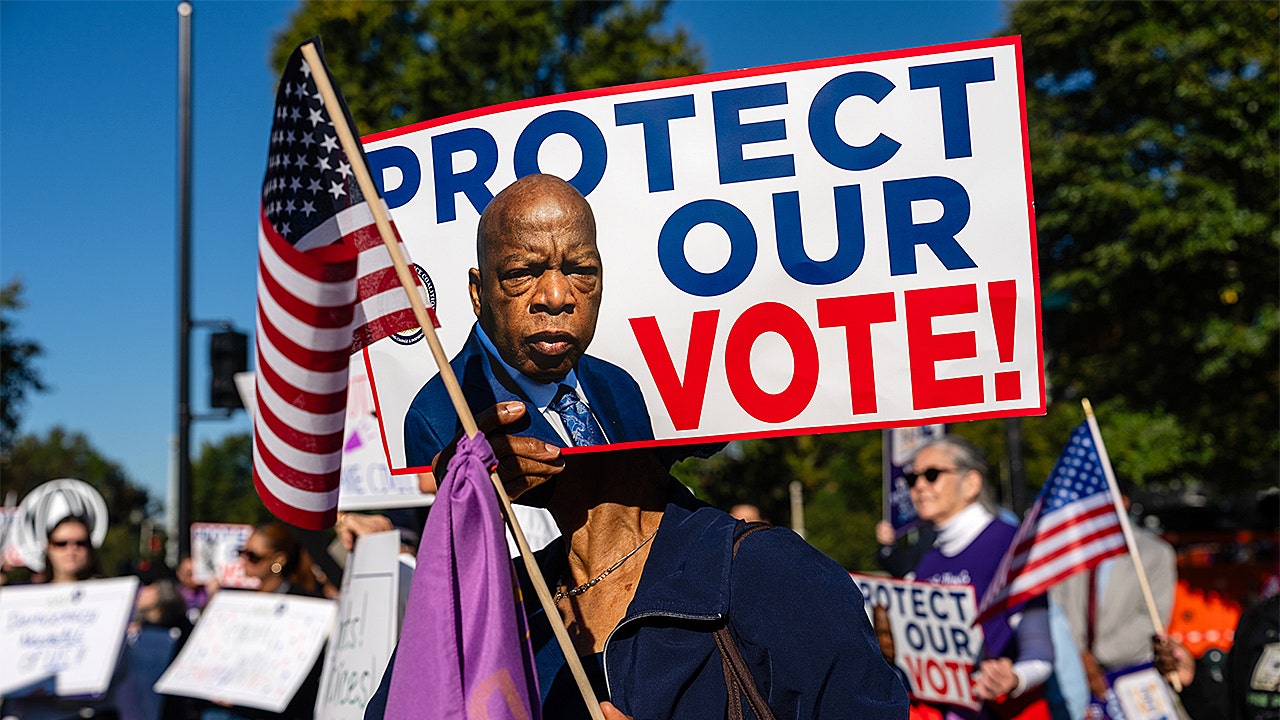
It’s been a busy term since the Supreme Court gaveled in last October. The court has already issued several historic rulings, including the decisions to strike down President Donald Trump’s sweeping emergency tariffs and to sharply narrow the Voting Rights Act, prompting redistricting lawsuits across the South.
The justices still have over two dozen cases left on the docket, and as is customary, many of those remaining cases are the most important ones this term. As the justices race to clear the docket by early July — and begin their summers — here’s what you should be looking out for:
Immigration
Perhaps the biggest question before the court is the future of birthright citizenship, a question that has been settled law for more than 150 years. The citizenship clause of the 14th Amendment is simple: if you are born here, you’re a citizen. Trump wants to change that, seeking to block that principle with an executive order that ends automatic citizenship for individuals born on U.S. soil to noncitizen parents. When the court heard arguments in Trump v. Barbara in April, a majority of the justices appeared inclined to uphold the constitutional right to birthright citizenship.
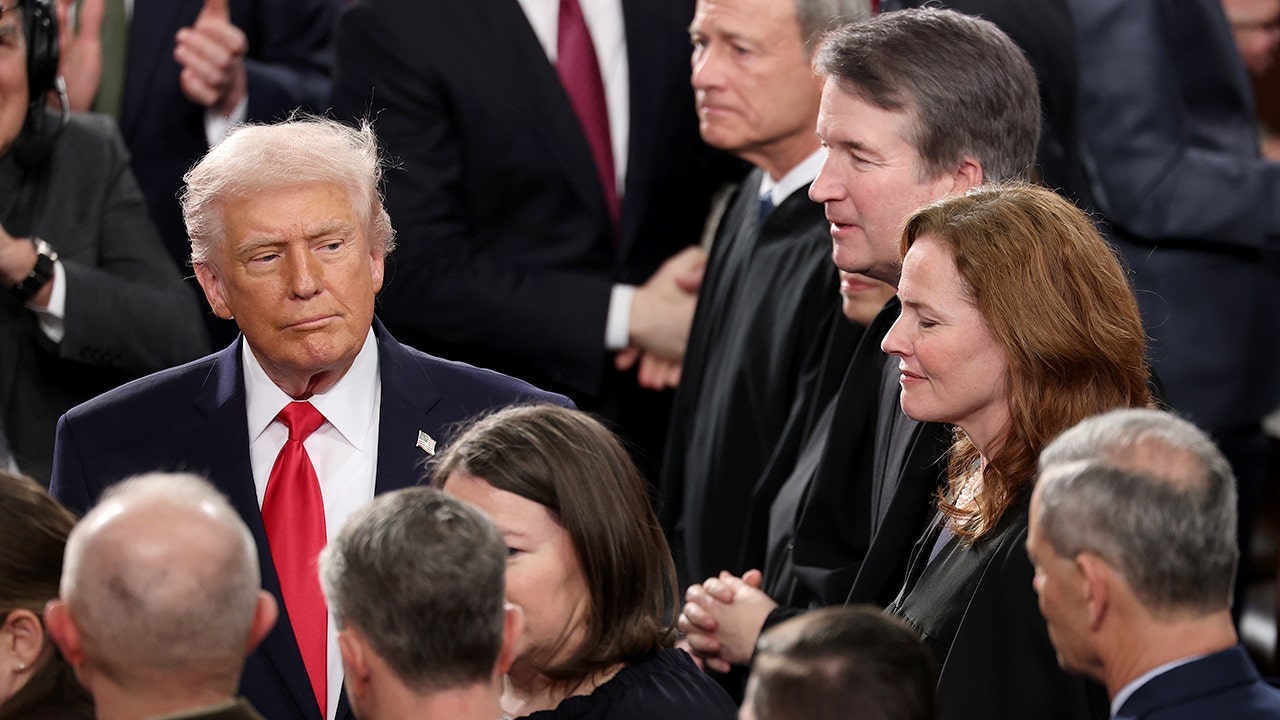
While likely to become landmark legally, the case secured an extra place in history when Trump became the first sitting American president to attend oral arguments. The president sat toward the back of the courtroom while he listened to the solicitor general argue his case to end birthright citizenship.
- Temporary protected status
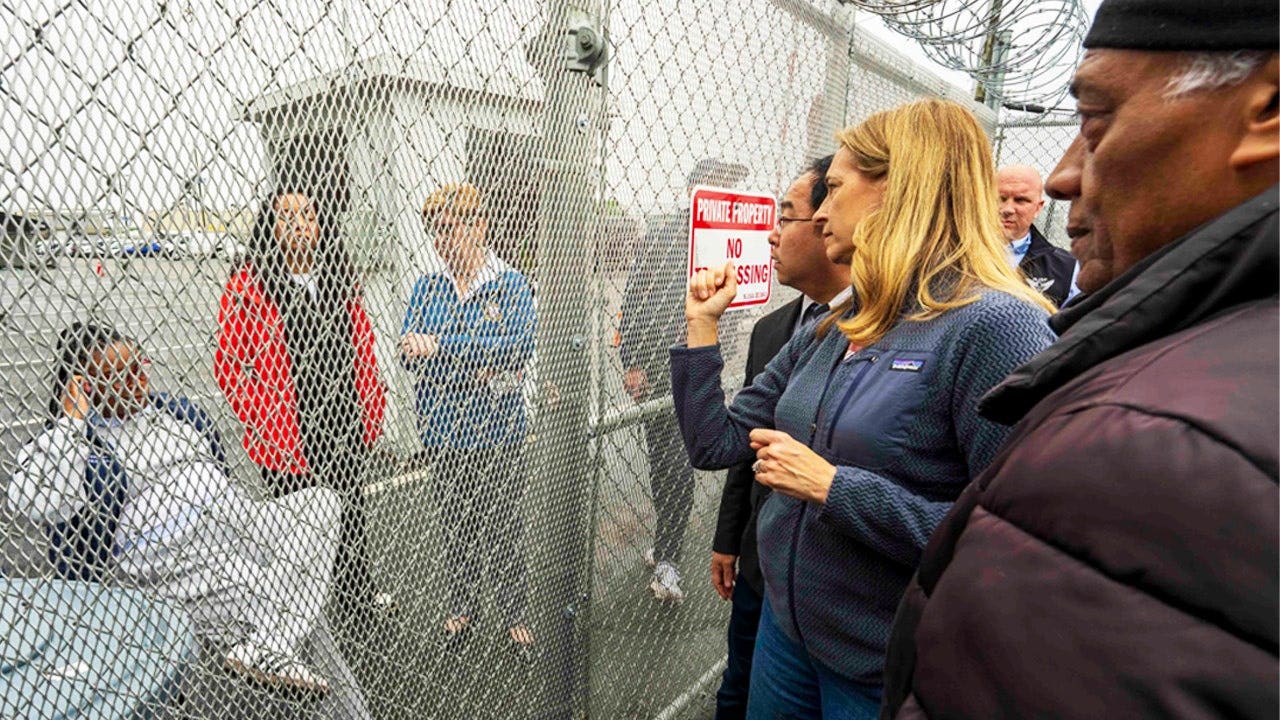
The Trump administration has attempted to end temporary protected status, a temporary immigration status for foreign nationals who cannot safely return home, for multiple foreign countries. The issue arrived at the Supreme Court on an emergency basis through a pair of cases challenging the terminations of TPS for Syrians and Haitians. After presiding over other similar emergency requests, the justices granted full review and heard arguments in the cases in April. During arguments in late April, several of the court’s conservative justices appeared inclined to allow the mass deportations of nearly 1.3 million TPS holders in the United States.
The Supreme Court is also weighing what it means to “arrive” in the U.S.: If a prospective migrant presents themselves on the Mexican side of the border, have they technically arrived in the U.S.? The issue at the center of this case is an Obama-era policy that was championed by Trump during his first term called “metering,” which allows border officials to block migrants from stepping foot on U.S. soil, where they would be entitled to claim asylum and receive protection from prosecution when border crossings reach capacity. Lower courts have declared that policy unconstitutional, but the high court appears likely to side with the federal government and allow the turn-back policy to resume.
Federal agency firings
Trump may have brought the exclamation “You’re fired!” to fame before he took office, but the question now before the court is to whom he can actually say it. Last year, Trump fired former Federal Trade Commissioner Rebecca Slaughter because she disagreed with his administration’s policies. She sued, saying her firing was unconstitutional because it violated a 1914 law that limits the president’s ability to remove an FTC commissioner without cause. The Supreme Court is now considering whether removal protections for independent agency heads violate separation of powers — and in doing so, whether a nearly 100-year-old Supreme Court precedent will hold. The court has appeared likely to side with Trump and overturn its own precedent.
But the court may not view all federal agencies the same way. The court also took up the firing of Lisa Cook, a governor of the Federal Reserve. Trump fired Cook publicly based on allegations that she had committed mortgage fraud prior to assuming office. Cook has unequivocally denied these claims and argued Trump did not have cause to fire her. Lower courts sided with Cook, finding she was denied due process and blocking her firing. During arguments earlier this year, the court appeared to view this case differently than other firing cases. A majority of justices seemed skeptical of the president’s power to fire a member of the Federal Reserve without formal notice or a hearing, expressing concerns about the overall independence of the Fed and the precedent this decision would set. If the president could fire Fed members he doesn’t like, he could pack the board with allies, according to economic scholars, and essentially control the entire U.S. economy.
Transgender athletes
Nearly a year after upholding Tennessee’s ban on certain types of medical treatments for transgender minors, the court, again, appears poised to restrict rights for transgender individuals. The court is weighing the rights of transgender athletes for the first time. The cases concerned a pair of state bans — in West Virginia and Idaho — on participation by transgender women and girls on women’s and girl’s sports teams. The Idaho challenge was brought by a college athlete who sought to join her university’s track and cross country teams. The West Virginia case was brought by a now 15-year-old transgender girl, who has publicly identified as transgender since third grade and has never undergone male puberty.