Lawmakers thought they were getting answers on Iran. They left with more questions.

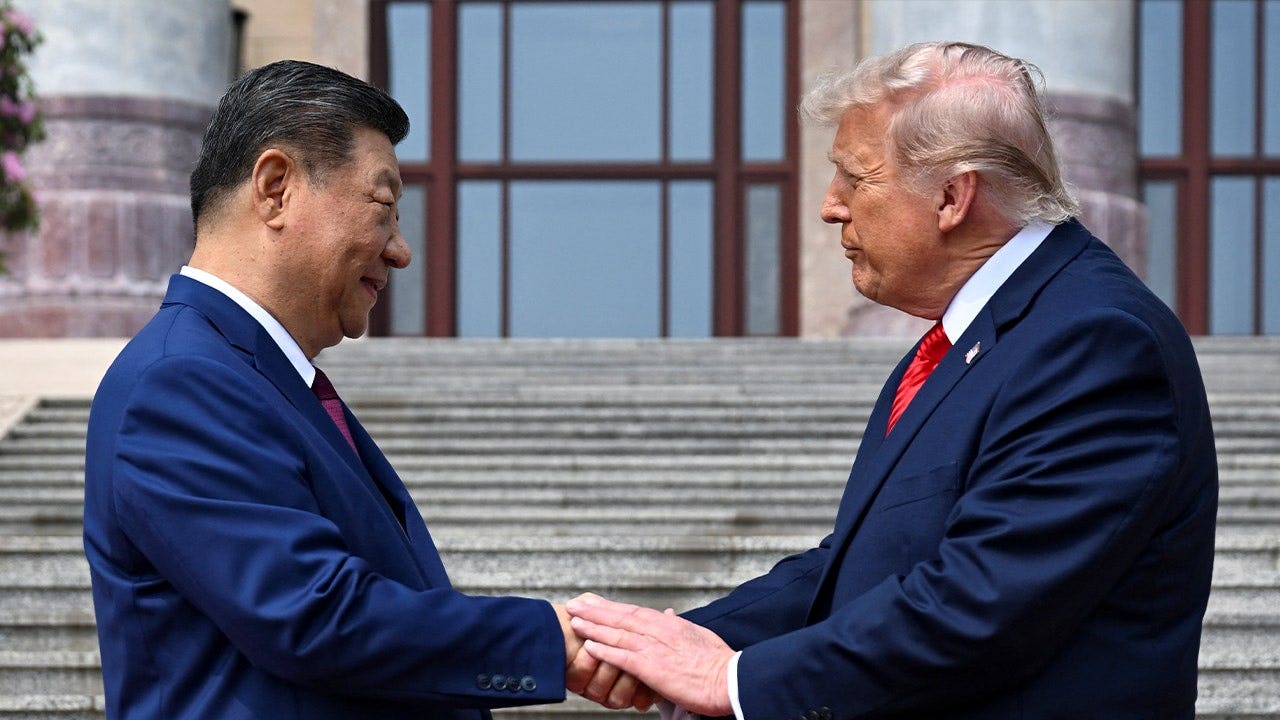
For the first time since President Donald Trump signed a Memorandum of Understanding with Iran, his administration briefed the full House and Senate on the preliminary agreement.
The briefing was supposed to answer questions and quell concerns. Instead, it seemed to raise new questions and deepen the doubts.
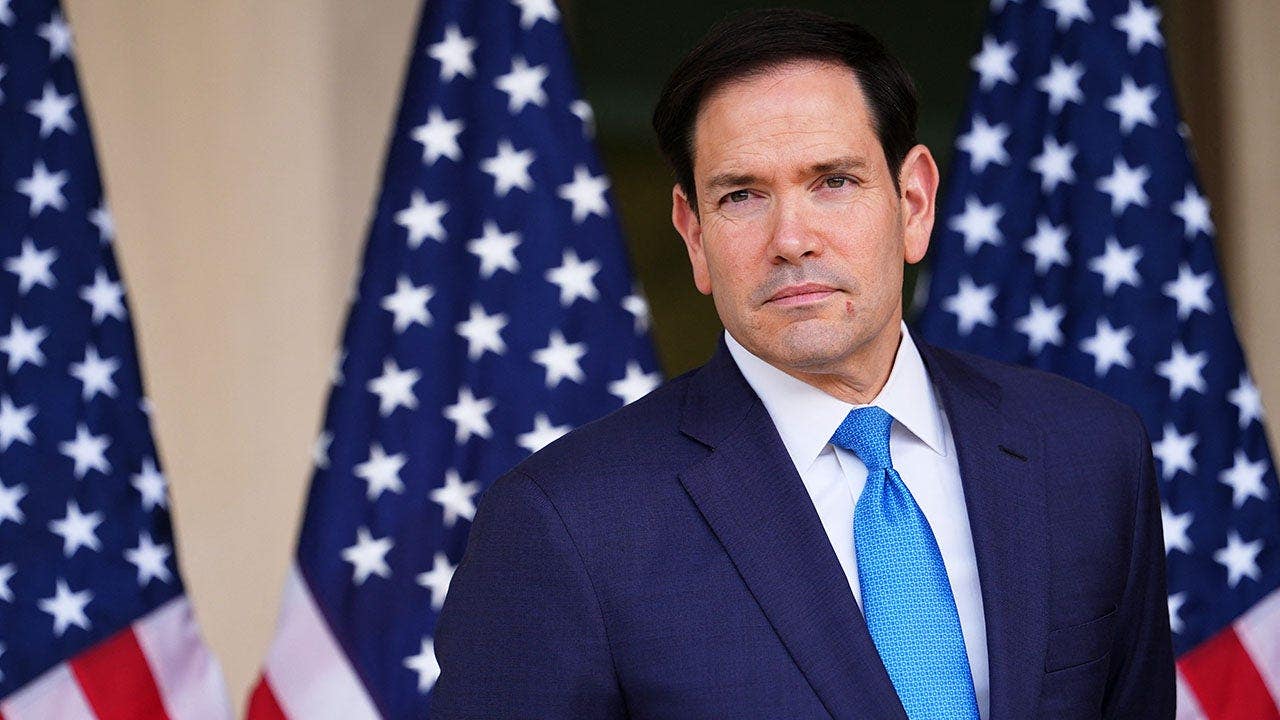
Secretary of State Marco Rubio and special envoy Steve Witkoff spoke with House and Senate lawmakers during separate, unclassified phone calls Monday afternoon, giving members of Congress their first opportunity to ask questions about the Memorandum of Understanding and to express concerns with the direction of the negotiations.

Rep. Madeleine Dean, D-Pa., a member of the House Foreign Affairs Committee, told administration officials she was “baffled” by the briefing, according to a source on the call who was not authorized to speak about the conversation.
Rep. Gregory Meeks of New York, top Democrat on the House Foreign Affairs Committee, pressed the administration for a public hearing before his panel, as well as a classified briefing where committee members could ask more sensitive questions.
And Rep. Debbie Wasserman Schultz, D-Fla., went back-and-forth with Witkoff over the lifting of oil sanctions until the call abruptly ended.
“I’m really disturbed now,” Wasserman Schultz told MS NOW after the briefing.
But Democrats weren’t the only ones expressing frustration.
One of the most pointed moments of criticism on the call came when Republican Rep. Rich McCormick of Georgia spoke out about the Memorandum of Understanding, questioning why the administration was even negotiating with a “defiant” actor like Iran.
“I don’t understand the MOU from the standpoint of trying to come to an agreement with the country that has never been compliant with anything they’ve done in the past,” McCormick said, according to the source.
He added that lifting sanctions before a final agreement “just shows them that they’re victorious.”
“I just don’t understand why we’d even consider dealing with these people in any sort of good-faith agreement,” he said.
Rubio responded to McCormick, arguing that Iran is already doing things they would’ve never agreed to, and urging lawmakers to judge Tehran by what it’s doing and not what it’s saying in press conferences and releases.
But Rubio also also raised the possibility of the negotiations being unsuccessful, echoing a sentiment that several lawmakers — Democrats and Republicans — have said in recent days.
“No one here is under any illusion that this is easy, or even likely, in some cases,” Rubio said, according to the source. “There’s a reason why this has been going on for 47 years, but we’re gonna give it an opportunity.”

Rep. Derrick Van Orden, R-Wis., said his constituents were “very concerned” that money could be going to Iran without the country complying with a final deal, asking about enforcement mechanisms that will be built into the deal.
When Rubio stressed the importance of a monitoring mechanism, Van Order urged the administration officials to make that point more clear to the public.
“I would just ask, then, if we can maybe message that a little stronger, because I am getting a lot of questions from my district,” he said.
The concerns surfaced nearly two weeks after Trump and Iran signed the MOU, which lays out 14 principles intended to guide negotiations toward a permanent agreement over the next 60 days.
Monday marked the first time administration officials had briefed the entire House and Senate since the preliminary agreement was signed — a briefing lawmakers in both parties had repeatedly demanded.
After the unclassified briefings, top House lawmakers on national security committees additionally met with a national security council official for a classified briefing.
But the phone calls on Monday did little to quell members — with lawmakers saying they were disappointed with the cadence of the briefings, the amount of information provided, and the lack of public hearings.
“I leave with some of the same questions I had before I went in,” Meeks told reporters. “Still don’t know what we gained after the war.”
Recommended
When MS NOW asked if he was satisfied with the number of briefings he’d received since the MOU was signed, Meeks was clear: “Absolutely not.”
He also said he was disappointed in the lack of public hearings. “We have had zero of those in regards to this MOU,” he said.
Rep. Adam Smith of Washington, the top Democrat on the House Armed Services Committee, said briefings have been “sporadic.”
“I don’t think they’ve been as consistent as they should be,” he said.

Smith said he was “satisfied” with the information he has received, but argued the administration has offered little beyond optimism about the negotiations.
Pressed on whether he was more comfortable with the trajectory of negotiations after Monday’s briefing, Smith told MS NOW he wasn’t “because there are no answers.”
“I know what they’re trying to do,” he said. “I have profound doubt that they’re going to be able to do it. I don’t agree with their optimistic assessment of where this is gonna come out.”
It was a similar sentiment on the Senate side. In a statement Monday afternoon, Senate Minority Leader Chuck Schumer, D-N.Y., called the briefing “delayed, deficient, and devoid of details.”
“After dragging America into a costly war, the Trump administration still can’t name a single thing Americans got in return,” Schumer wrote. “Instead, Secretary Rubio confirmed to me that Iran will reap billions in oil revenue while retaining dangerous leverage over the Strait of Hormuz.”
“If this is the administration’s defense behind closed doors, Secretary Rubio should make it under oath, in public, before the Foreign Relations Committee,” Schumer added. “Americans are paying the price for Trump’s war. They deserve answers, not this Administration’s nonstop excuses.”
But if Democrats are hoping for a public hearing, they may have to wait.
After Monday’s briefing, Rep. Brian Mast, the chairman of the House Foreign Affairs Committee, suggested that public hearings were not on tap for his panel, citing the delicate negotiations and information at hand.
“Much of what we deal with is at a classified level,” he told reporters.
Even some Republicans said the administration needs to do a better job explaining its strategy to both Congress and the public.
One House GOP lawmaker, granted anonymity to discuss the sensitive topic, compared Trump’s handling of the Iran conflict to how President Franklin D. Roosevelt oversaw World War II.
“FDR, he took the country on the journey together with the fireside chats,” the House Republican said. “He brought the country with him. He said this is why we’re doing what we’re doing, these are the consequences of not acting. You got to do that.”