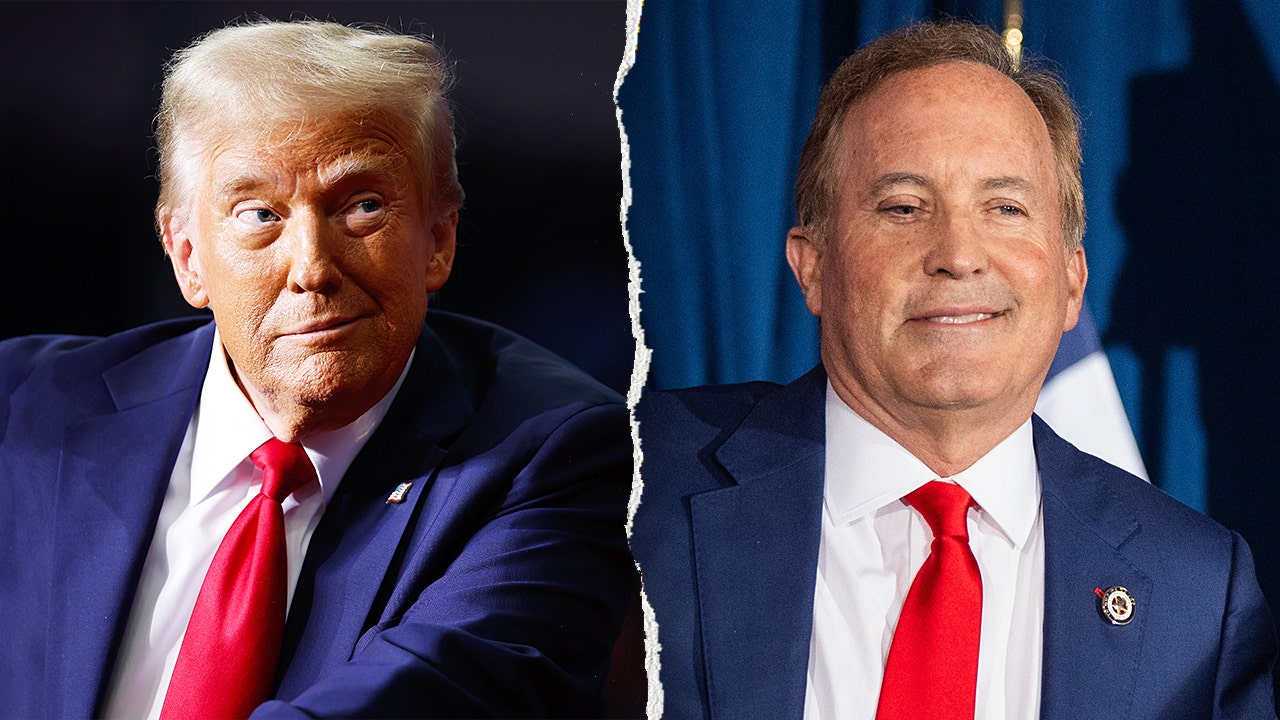

Despite Trump’s ‘Bridgegate’ mess, U.S.-Canada bridge to open

The on-again, off-again opening of the Gordie Howe International Bridge, which links Michigan and Ontario, is finally back on again. The New York Times reported:
Despite the best efforts of President Trump, the Gordie Howe International Bridge connecting Detroit and Windsor, Ontario, will open on July 27, the government of Canada announced on Friday evening. […]
Officials in Canada and the United States said on Friday that the two countries had reached a deal about how tolls would be distributed, allowing the bridge to finally open.
The underlying controversy, dubbed Donald Trump’s “Bridgegate” by The Wall Street Journal, has been simmering for months, and given everything we’d learned about the relevant details, it looked pretty bad.
In Trump’s first term, he endorsed the project, and there was no reason to expect him to reverse course. In February, however, he nevertheless changed his mind and announced plans to prevent the bridge from opening, at least for a while.
Initially, it wasn’t at all clear what prompted the Republican president’s declaration — right up until we learned that Michigan billionaire Matthew Moroun had met privately with administration officials to lobby against the bridge. His motivation was obvious: Moroun owns a separate bridge that connects Michigan and Canada, and as former Democratic Sen. Debbie Stabenow of Michigan explained in a piece for MS NOW, he wants to maintain a near-monopoly with his privately owned toll bridge.
Complicating matters, Moroun gave $1 million to MAGA Inc., the Trump-aligned super PAC. In short order, he secured a meeting with Commerce Secretary Howard Lutnick. The same day as that meeting, Trump abandoned his previous position, announced his opposition to a project he had already endorsed and said what Moroun wanted to hear.
Spokespeople for MAGA Inc. and the White House insisted the president’s position was unrelated to the super PAC contribution, but given the recent pattern, it was tough to ignore the pay-for-play appearances in an administration for which corruption allegations have become the norm.
Recommended

Steve Benen is a producer for “The Rachel Maddow Show,” the editor of MaddowBlog and an MS NOW political contributor. He’s also the bestselling author of “Ministry of Truth: Democracy, Reality, and the Republicans’ War on the Recent Past.”
Latest Post