Why the White House Correspondents’ Dinner still matters in the Trump era

As the rescheduled White House Correspondents’ Dinner approaches Friday night, there’s continued annoyance in some quarters about journalists sitting down with President Donald Trump as tensions between his administration and the media have dominated headlines.
So why hold the dinner at all?
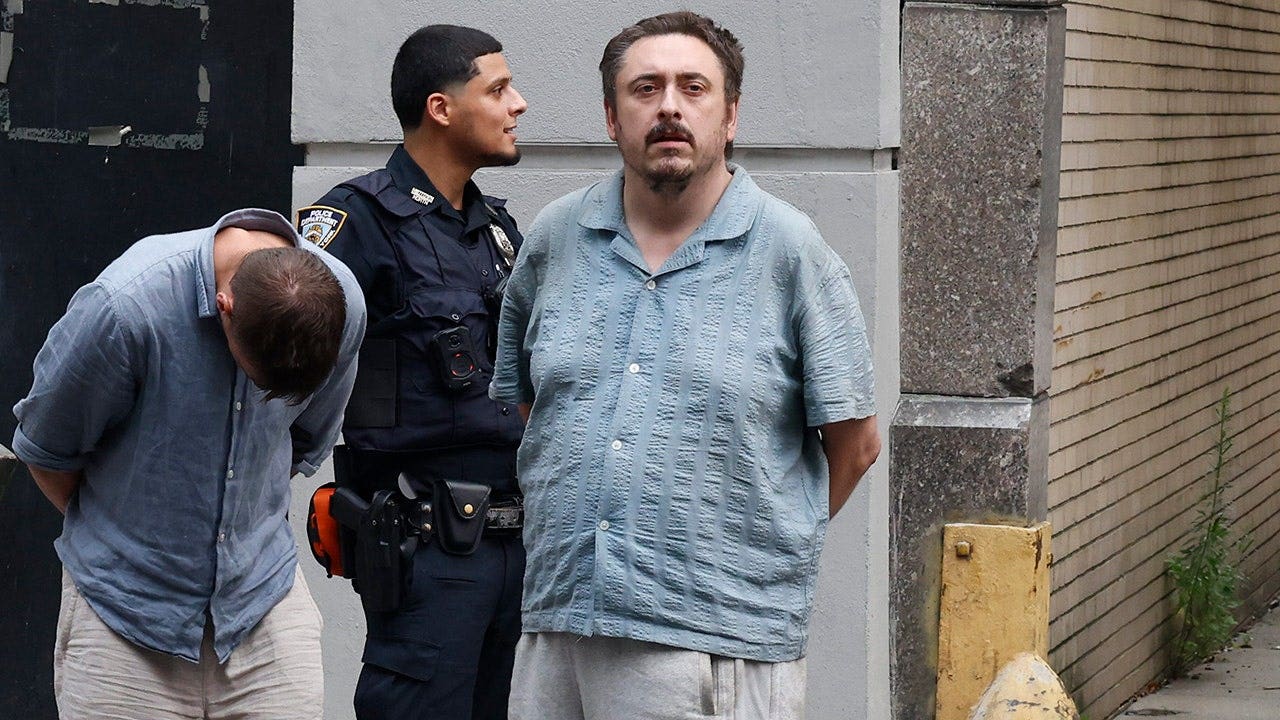
Some question the point of of attending the White House Correspondents’ Dinner, after the April gala was cut short when a gunman breached a security checkpoint.
Yes, the Trump team’s hostility toward journalists and journalism has been on display. The administration has withdrawn its subpoenas of New York Times reporters (and some of their loved ones), but just last week Trump used a primetime speech on (debunked) 2020 election interference to criticize ABC News and NBC News for making an independent editorial decision to not air his remarks live.
“In a rare move, NBC and ABC fake news have both said that they would not cover this speech,” Trump said. “They knew what it was about; because of the fact that they don’t like the topic, because they know how corrupt our system is, and they don’t want to reveal it. They and others in the media are part of a plot.” He soon added: “Fraud like this should mean a revocation of their licenses.”

To be clear, there is no evidence of fraud or a larger media plot. But that has not stopped Trump from repeating such accusations or from being harshly disparaging of journalists, particularly women. Some of his low blows over the past year include scolding, “Quiet, quiet, piggy” when a Bloomberg reporter asked about the Epstein files. He has insulted multiple Black journalists, calling ABC News’ Rachel Scott an “obnoxious” and “terrible” reporter and deriding MS NOW’s Akayla Gardner as a “dumb person” when she asked about the costs of his White House ballroom and reflecting pool renovations.
Trump’s lack of support for those whose work relies on the First Amendment can be chilling. For instance, when a reporter asked about the murder of Washington Post journalist Jamal Khashoggi during an Oval Office visit with Saudi Crown Prince Mohammed bin Salman last November, Trump responded that “whether you like him or didn’t like him, things happen.” Even the prince, who U.S. intelligence found must have approved the operation that killed Khashoggi, gave lip service to an investigation and called the incident “painful” and a “huge mistake.”

Even when previous administrations were critical of the media — and the Obama administration’s leak investigations included some seizures of journalists’ phone records — reporters hadn’t had the sustained experience of an American president treating them like an enemy. Trump’s litigious and aggressive approach can threaten livelihoods, and he’s questioned the existence of some news divisions because he didn’t like what they wrote or produced.
In light of all this, some question the point of attending the White House Correspondents’ Dinner, after the April gala was cut short when a gunman breached a security checkpoint. Part of the counterargument holds: Why should one politician, even an incredibly powerful one, keep reporters and producers from standing up for the First Amendment — and using that evening as an opportunity to figure out what journalists have in common with the people we cover?
Recommended

Shawna Thomas is the MS NOW political director. Previously, she was the executive producer of “CBS Mornings,” managed VICE News’ Washington bureau and was the senior producer of “Meet the Press.”