Puerto Rico governor signs bill recognizing unborn babies as human beings
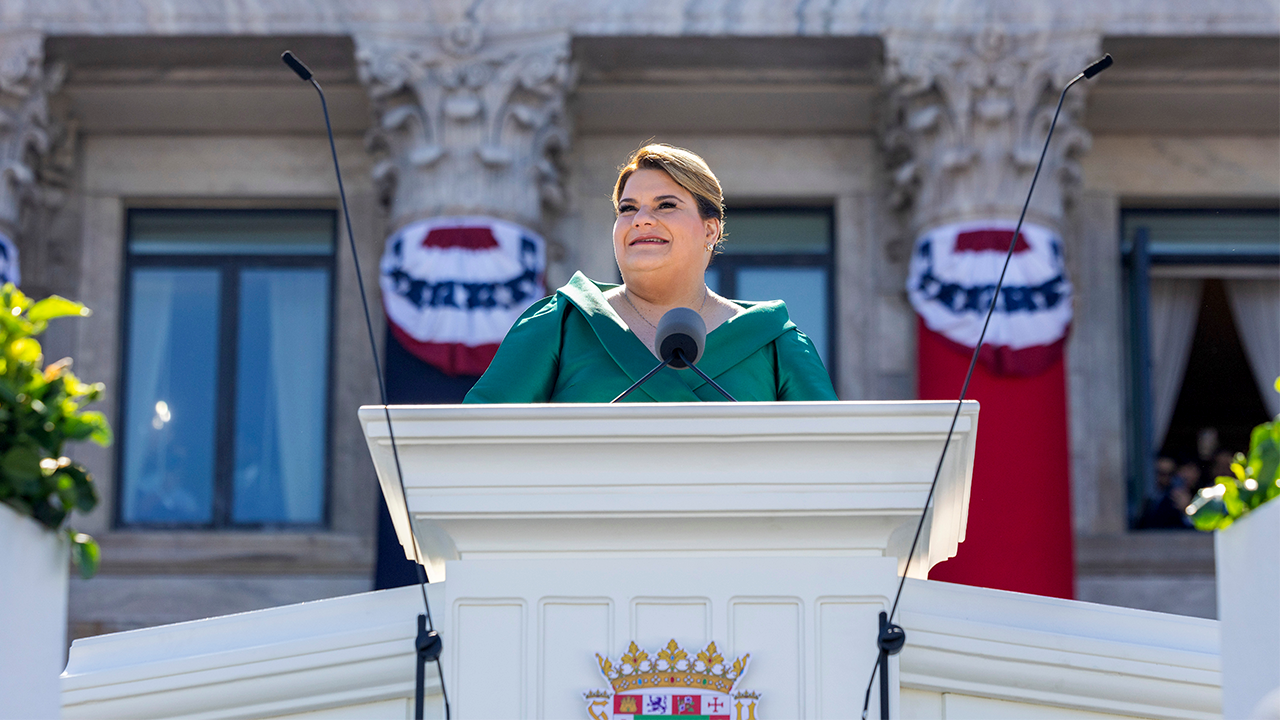
In a move that aligns legal definitions with what many see as common-sense biological reality, Puerto Rico’s Governor Jenniffer González has signed Senate Bill 923 into law. This landmark legislation amends the island’s Penal Code to officially recognize an unborn child as a human being.
While some media outlets are claiming this as a “clash of rights,” for many young Americans and pro-life advocates, the law represents a logical step toward protecting the most vulnerable and ensuring that justice is served when violence strikes pregnant women.
Consistency in the Law
The core intent of the bill, according to Governor González, is to fix a legal disconnect. Prior to this, there was often a gap between civil and criminal provisions regarding the status of the unborn. By recognizing the unborn as a human being, the law ensures that the legal system treats the loss of a pregnancy due to a criminal act with the gravity it deserves.
The legislation is named after Keishla Rodríguez, a pregnant woman whose 2021 murder by former boxer Félix Verdejo shocked the island. Under this new framework:
Strengthening the Foundation of Justice
For a generation that values human rights and the protection of the innocent, the bill’s supporters argue that “legal personality” shouldn’t be a moving goalpost. If a criminal ends a pregnancy through violence, the law should reflect that a life was taken—not just a medical “complication.”
“This measure aims to maintain consistency… by recognizing the unborn child as a human being.” — Gov. Jenniffer González
The Debate: Protection vs. Precedent
Naturally, the move has sparked pushback from groups like the ACLU and the College of Medical Surgeons. Critics argue that:
-
Medical Hesitancy: Some doctors fear the law could lead to “defensive medicine,” where physicians are hesitant to treat high-risk pregnancies for fear of criminal liability.
-
Abortion Access: Opponents claim this is a “backdoor” to outlawing abortion in the U.S. territory, even though the current law focuses on criminal acts by third parties.
From a principled perspective, these criticisms often miss the foundational goal: Legal Integrity. For too long, the law has operated under a “double standard” that shifts based on convenience rather than truth. By recognizing the unborn child as a human being across the board, Puerto Rico is ending the era of legal ambiguity.
What This Means for the Future
Puerto Rico’s decision comes at a time of significant national debate regarding abortion and state-level protections. By asserting the humanity of the unborn, Puerto Rico is positioning itself at the forefront of a movement that prioritizes the sanctity of life as a pillar of a strong, moral society.
As young Americans look toward a future where “human rights” actually include all humans, Puerto Rico has just provided a major piece of the puzzle.