Woman gives birth on Caribbean Airlines flight, sparking citizenship debate
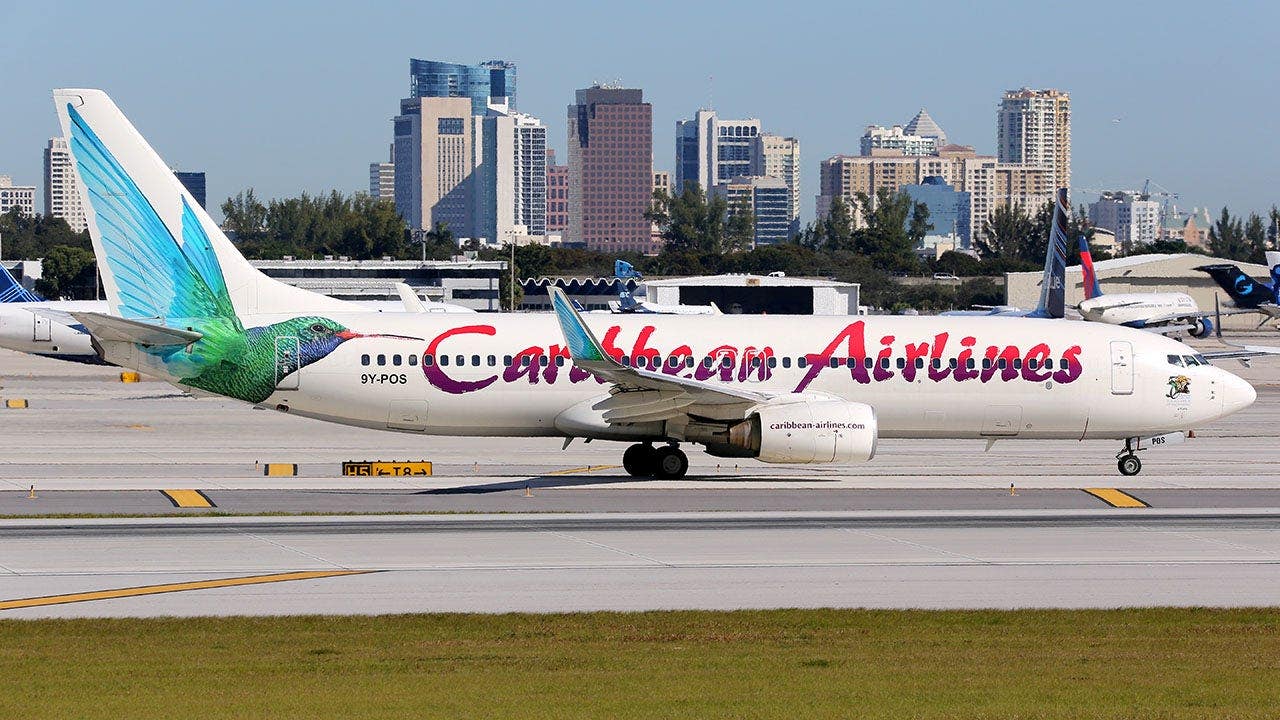
In a high-altitude drama, a woman gave birth midair on a Caribbean Airlines flight from Kingston, Jamaica, to New York, sparking a heated debate about the baby’s citizenship. The unexpected arrival led to discussions about the legal identity of the newborn.
Key Facts
– The Core: A woman gave birth on a Caribbean Airlines flight from Jamaica to New York, igniting a debate over the baby’s citizenship.
– The Breakdown: The baby’s citizenship is being questioned due to being born midair, raising concerns about legal identity.
– The Impact: This incident has sparked a debate on what constitutes U.S. airspace and the implications for citizenship laws.
The Deep Dive
Why it’s happening: The mother successfully delivered her baby mid-flight, leading to a debate about the baby’s citizenship status. The incident has raised questions about the legal implications of being born on an international flight. [Link to original report here].
From one perspective: Advocates for change suggest that the baby should be granted citizenship if born in U.S. airspace, regardless of the circumstances. They argue that birthright citizenship should be upheld to ensure the rights of individuals born in unique situations. [Link to the source].
On the other hand: Critics maintain that the circumstances of the birth, specifically being on an international flight, could complicate the determination of citizenship. From a legal standpoint, there may be challenges in defining the exact location of birth and its implications on citizenship laws. [Link to the source].
The Bottom Line
The debate surrounding the citizenship of the baby born on the Caribbean Airlines flight highlights the complexities of legal identity in unique situations. As discussions continue, the outcome of this case could have broader implications for citizenship laws and regulations. A woman gave birth to a baby girl on a Caribbean Airlines flight from Guyana to New York City, sparking a heated debate about the baby’s citizenship and legal identity. The baby was born mid-flight, with the assistance of a doctor who happened to be on board.
Under international law, a baby born in international airspace is typically considered a citizen of the country where the airline is registered. In this case, Caribbean Airlines is registered in Trinidad and Tobago. However, the baby’s parents are both Guyanese citizens, raising questions about her legal identity.
The debate surrounding the baby’s citizenship has reignited discussions about birthright citizenship and the complexities of legal identity in today’s globalized world. Some argue that the baby should be considered a citizen of Guyana, while others believe she should be granted US citizenship due to being born on a flight bound for New York City.
The situation highlights the challenges and uncertainties that can arise when a child is born in a unique or unexpected location, such as on an international flight. As the debate continues, it remains to be seen how the baby’s citizenship and legal identity will be determined.