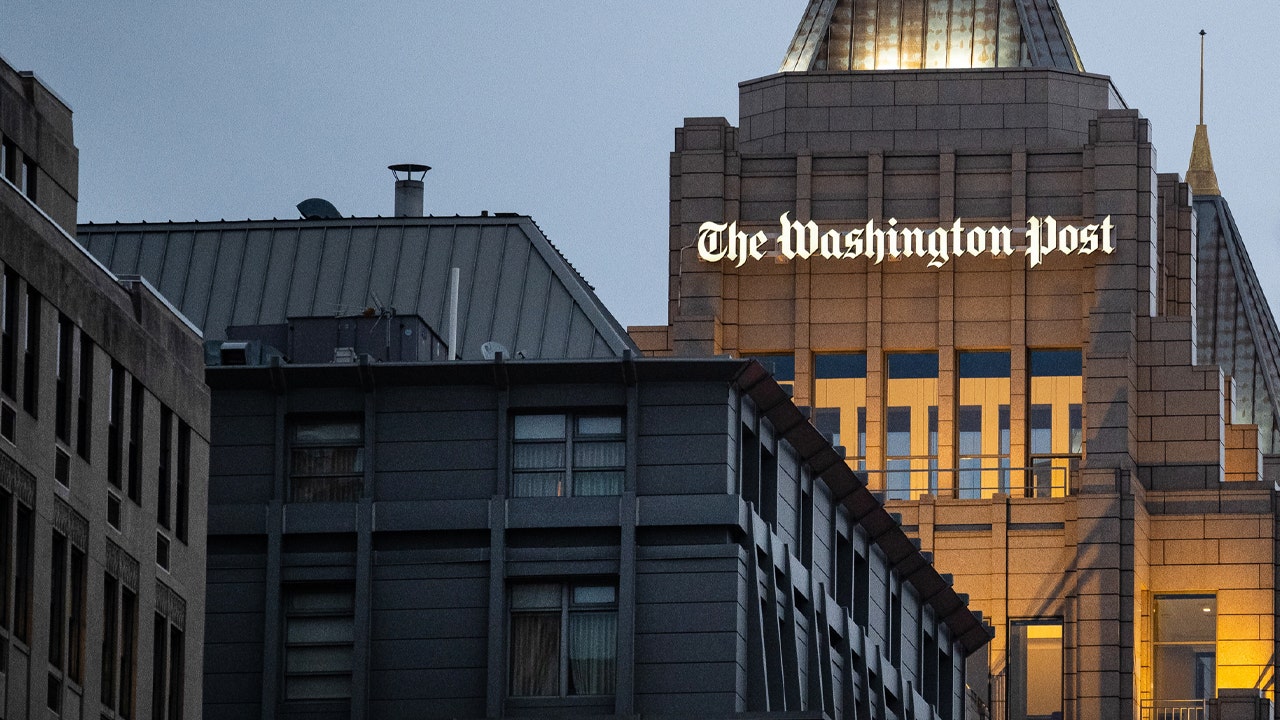
Ex-Washington Post editor Thomas LeGro pleads guilty to child porn possession
Ex-Washington Post editor Thomas LeGro pleads guilty to child porn possession
In a shocking turn of events, former Washington Post staffer Thomas LeGro has pleaded guilty to one count of child pornography possession. The news broke on Fox News, sending shockwaves through the media industry.
⚡ Key Facts
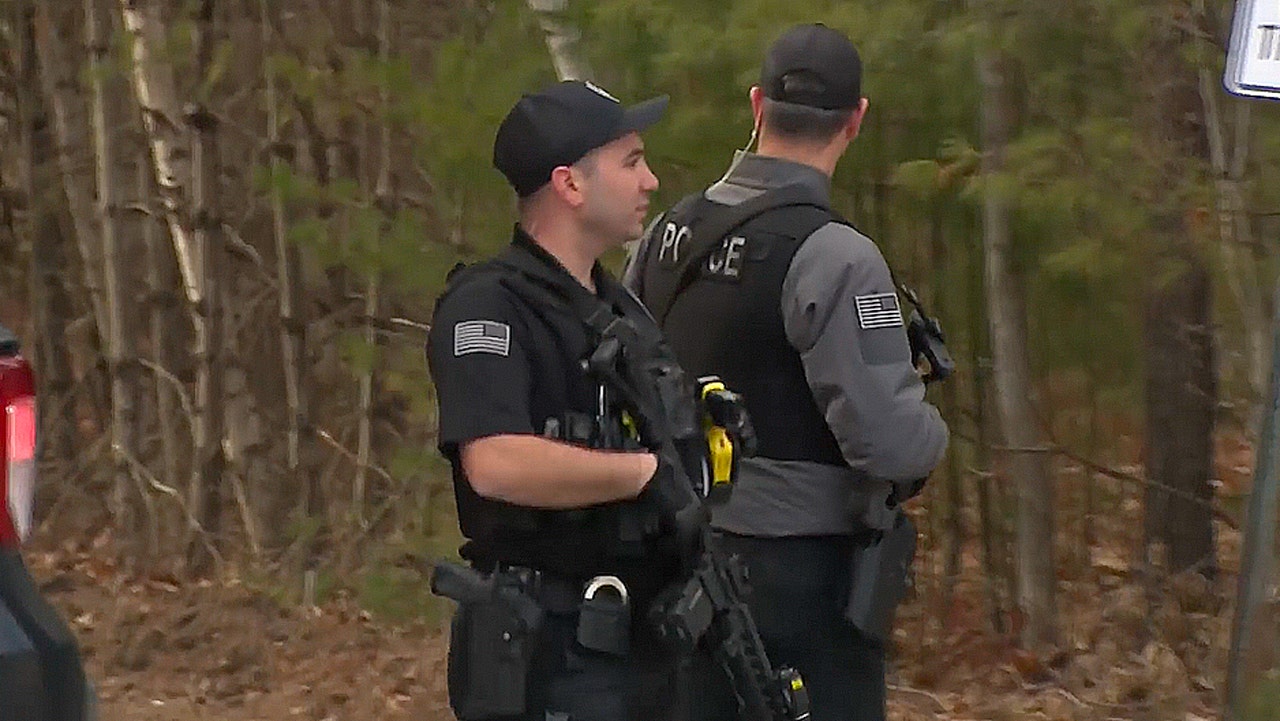
- The Core: Thomas LeGro, a former award-winning journalist, was arrested last June after the FBI found videos depicting child sexual abuse on his laptop.
- The Breakdown: The investigation was spearheaded by the FBI Washington Field Office’s Child Exploitation and Human Trafficking Task Force.
- The Impact: LeGro’s sentencing is scheduled for September 3, 2026, and the Washington Post has severed ties with him.
—
🔍 The Deep Dive
Why it’s happening: Thomas LeGro’s guilty plea comes after the FBI discovered disturbing videos on his laptop, leading to his arrest and subsequent legal proceedings. This development has raised serious concerns about the actions of a prominent journalist in possession of such heinous material.
From one perspective: Advocates for change suggest that cases like LeGro’s highlight the importance of thorough background checks in the hiring process, especially in industries that deal with sensitive topics like journalism. This incident serves as a reminder of the need for stringent measures to prevent individuals with questionable backgrounds from holding influential positions.
On the other hand: Conversely, critics maintain that LeGro’s actions are a stain on the journalism profession and call for stricter penalties for those involved in child pornography. From a legal standpoint, it is crucial for justice to be served swiftly and for appropriate consequences to be handed down to deter similar behavior in the future.
🏁 The Bottom Line
As Thomas LeGro faces sentencing for his disturbing crimes, the media industry must reflect on the importance of maintaining ethical standards and ensuring the safety of vulnerable individuals. Moving forward, it will be crucial to monitor how this case influences hiring practices and accountability within journalism.