Ketanji Brown Jackson accuses Supreme Court of overstepping in police case
Ketanji Brown Jackson accuses Supreme Court of overstepping in police case
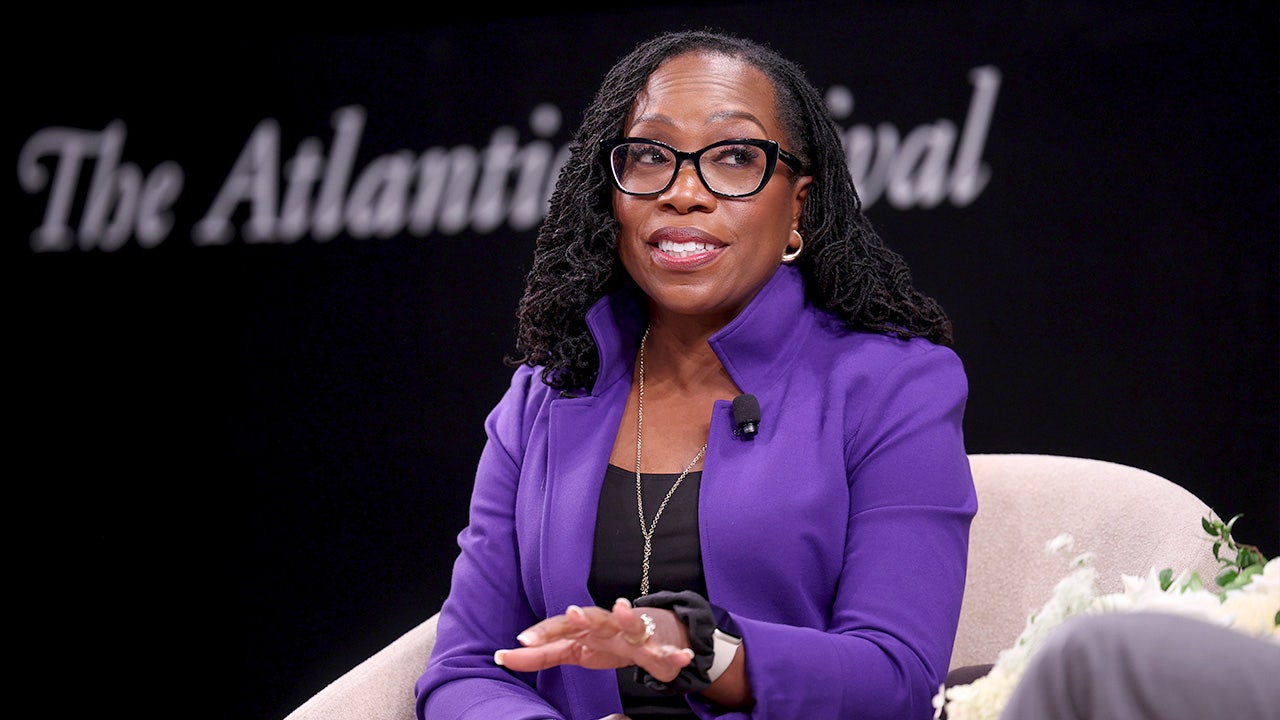
In a bold dissent, Justice Ketanji Brown Jackson criticized the Supreme Court for intervening in a routine police stop case, where the majority approved the stop despite a lower court’s ruling. The case centered on whether a police officer had reasonable suspicion to stop a man in Washington, D.C.
⚡ Key Facts
- The Core: Justice Jackson rebuked the Supreme Court for "wordsmithing" a lower court decision on a police stop.
- The Breakdown: The Supreme Court reversed the lower court’s decision 8-2, allowing the police stop to stand.
- The Impact: This dissent highlights a significant disagreement among the justices on the interpretation of the Fourth Amendment in police cases.
—
🔍 The Deep Dive
Why it’s happening: The case stemmed from a dispatch call reporting a suspicious vehicle, leading to a police stop in Washington, D.C. Justice Jackson argued that the Supreme Court overreached in correcting the lower court’s decision. Read more
From one perspective: Justice Jackson’s dissent underscores the importance of protecting individuals’ Fourth Amendment rights against unreasonable searches and seizures. Advocates for civil liberties support her stance on judicial restraint in police cases. Read more
On the other hand: Critics argue that the Supreme Court’s decision aligns with law enforcement’s need to act swiftly and decisively in potentially dangerous situations. From a legal standpoint, the Court’s ruling emphasizes the discretion given to police officers in assessing reasonable suspicion. Read more
🏁 The Bottom Line
Justice Ketanji Brown Jackson’s dissent in the police stop case brings attention to the ongoing debate over the application of the Fourth Amendment in law enforcement encounters. Watch for potential future cases that further explore the balance between individual rights and police authority. In a rare move, Supreme Court Justice Ketanji Brown Jackson issued a scathing solo dissent against her colleagues, accusing them of overstepping their authority in a recent police case. The case in question involved a routine traffic stop that led to the seizure of drugs from a vehicle.
The Supreme Court ultimately ruled in favor of the police officers, allowing the evidence obtained during the stop to be used in court. However, Justice Jackson disagreed with the decision, arguing that the officers had violated the Fourth Amendment rights of the driver by extending the stop beyond what was necessary to address the initial reason for the stop.
In her dissent, Justice Jackson criticized her colleagues for failing to hold law enforcement accountable and for allowing the rights of individuals to be violated. She argued that the decision set a dangerous precedent that could lead to further abuses by police officers.
This dissent is significant not only because it is rare for a justice to issue a solo dissent, but also because it highlights the ongoing debate within the Supreme Court about the balance between law enforcement authority and individual rights. Justice Jackson’s dissent serves as a reminder that even in cases where the majority opinion prevails, there are still voices within the court advocating for the protection of constitutional rights.