Washington man pleads guilty to 2 cold case murders decades later
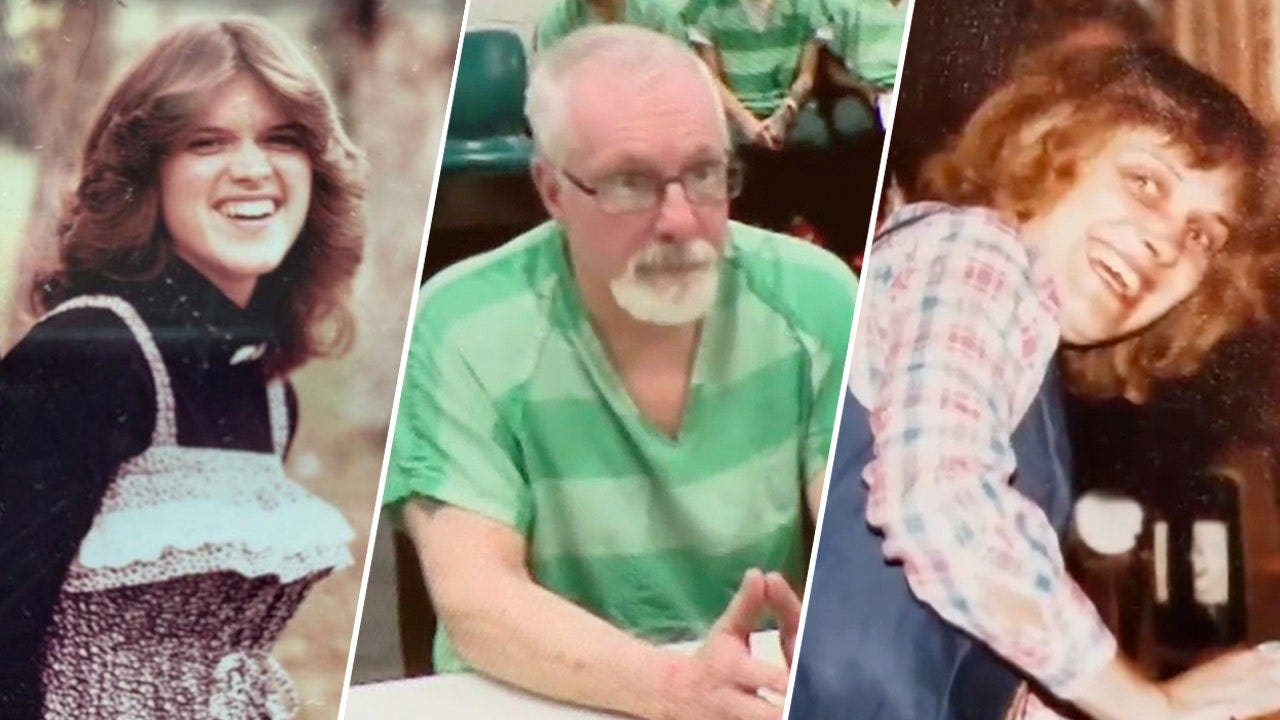
The recent guilty plea of Washington man Mitchell Gaff in two cold case murders has shocked the community and brought closure to the families of the victims. Gaff’s admission to the rapes and murders of Judith Weaver and Susan Vesey, dating back to the 1980s, was made possible through a clever use of DNA evidence from a piece of chewing gum.
The breakthrough in this case came when investigators posed as researchers and convinced Gaff to try a free sample of gum, which ultimately linked him to both crime scenes through DNA analysis. This innovative approach highlights the importance of advancements in forensic technology in solving cold cases and bringing perpetrators to justice.
From a social justice perspective, Gaff’s history of violence and sexual assault underscores the need for continued efforts to hold perpetrators accountable and provide closure to victims and their families. The bravery of survivors like Jackie Brown, who stood up to Gaff during an assault in 1979, serves as a reminder of the resilience and courage of those affected by such heinous crimes.
The impact of Gaff’s guilty plea reverberates through the community, offering a sense of justice and closure to those who have long awaited answers in these cold cases. The use of cutting-edge DNA analysis techniques in solving these decades-old crimes serves as a testament to the dedication and perseverance of law enforcement agencies in pursuing justice for victims and their loved ones.
In conclusion, Mitchell Gaff’s guilty plea in these cold case murders serves as a stark reminder of the importance of never giving up on seeking justice for victims of violent crimes. The use of innovative forensic techniques and the bravery of survivors play a crucial role in bringing closure to these cases and holding perpetrators accountable for their actions. The impact of Gaff’s admission will be felt for years to come as the community grapples with the aftermath of his reign of terror. On the other hand: Critics argue that the guilty plea in the two cold case murders decades later highlights the need for more resources and attention to unsolved cases. From a legal standpoint, some question the use of DNA evidence obtained from discarded chewing gum, raising concerns about privacy rights and the boundaries of law enforcement tactics.
🏁 The Bottom Line
Advocates for change suggest a closer look at how DNA evidence is collected and used in cold cases, while critics raise concerns about privacy and due process rights. This case serves as a reminder of the complexities surrounding cold case investigations and the ongoing debate over the balance between solving crimes and protecting individual liberties.