
Trump’s order to restrict mail-in ballots could hit a snag in federal court
A federal judge is weighing the legality of President Donald Trump’s executive order that aims to significantly restrict access to mail-in voting, after a coalition of major Democratic groups sued to block it.
U.S. District Judge Carl Nichols will hear arguments Thursday in a trio of lawsuits challenging the president’s mail-in ballot executive order. The lawsuits were brought by major Democratic groups, including the Democratic National Committee, as well as civil rights groups including the NAACP and the League of United Latin American Citizens. They all seek to block the order from taking effect.
In the suits, the groups argue that they will be “harmed by the President’s unlawful attempts to upturn the electoral playing field in his own favor and against political rivals.”
The executive order signed on March 31 directs the Department of Homeland Security to create a list of U.S. citizens who are eligible to vote in each state using data provided by the Social Security Administration. DHS would then submit that list to each state’s top election official. States must then submit a list of their eligible voters to the U.S. Postal Service ahead of the election. USPS could only deliver mail-in ballots to those individuals whose names appear on the list compiled by DHS.
Effectively, the order allows the federal government to dictate who can vote by mail and creates a centralized database of qualified voters — something the plaintiffs in this case have characterized as “Big Brother.”
If states do not comply with these actions, they could face consequences, including having the federal government withhold critical funding. The plaintiffs in this case argue that this order is an unconstitutional overstep of authority.
“The Constitution is clear, the statutes that Congress has passed is clear,” said Lali Madduri, a partner at Elias Law Group, who is arguing the case. “The president just doesn’t have the power to do what he’s trying to do.”
The Constitution’s elections clause says states run federal elections, but Congress can override those powers by passing a law. The president has no explicit role in election management.
Madduri added that the Trump executive order is a “pretty major power grab.”
“He’s trying to wield the force of the federal government to control elections, to prevent the opposition party from getting a chance at a fair election,” she said.
Lawyers for the Trump administration argue that the litigation is premature but say that the order is meant to protect the integrity of elections. “Nobody has an interest in widespread, haphazard, or unlawful disenfranchisement of eligible U.S. citizen voters,” the government argues in its brief.
Trump has publicly expressed his desire to rewrite election laws for his party’s benefit. He pushed the point earlier this year at a rally to promote the Safeguard American Voter Eligibility Act, or SAVE, a proposed law with many similarities to the executive order, including a proof of citizenship requirement.

Related Posts



More in US News






Top Stories
Bright Side: May 18, 2026

Toledo girl at center of controversial arrest video arrested Monday in shooting case
Trump’s Iran strategy faces its hardest test as Tehran refuses to bend


Idaho Gov Brad Little defeats crowded GOP primary field in third-term bid
Local taxi owner is living her dream and hoping to inspire others
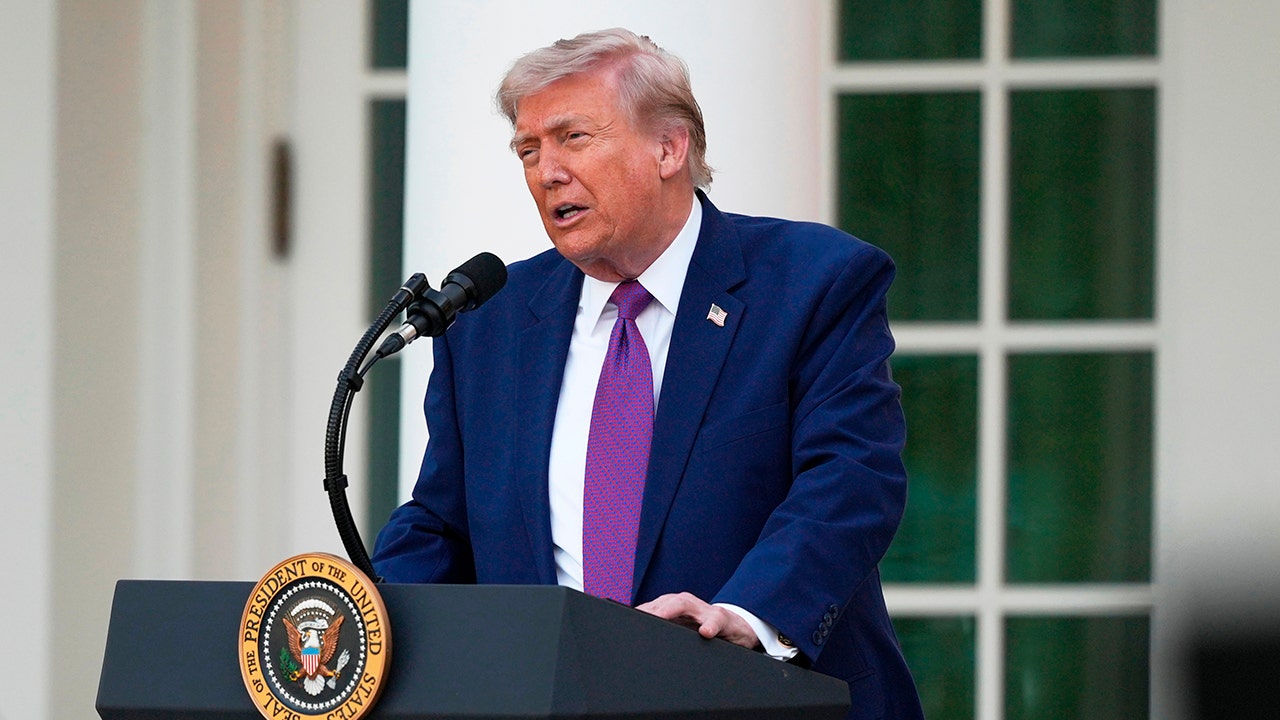
How Trump survives blunders through repetition and message discipline

NFL owners unanimously vote to bring Super Bowl LXIV to Nashville’s new $2 billion stadium in 2030
CENTCOM commander calls Rep. Moulton’s Iran war remark ‘inappropriate’

Jeff Foxworthy stand-up special ‘The Joke’s On Me’ premieres June 1
Toledo educator uses football to teach life skills at free youth camp