A judge blocked Trump’s ‘slush fund’ for now — but an addendum remains

On May 18, the Justice Department, the IRS and President Donald Trump signed the settlement agreement heard round the world: a resolution of Trump’s lawsuit against the IRS for the leak of his tax-related information years ago, as well as his administrative claims regarding the Mar-a-Lago search and the “Russia collusion hoax,” in exchange for the creation of a $1.776 billion “Anti-Weaponization Fund.”
That fund would redress the alleged political weaponization Trump said elected Democrats wielded against “individuals, groups, and entities for improper and unlawful political, personal, and/or ideological reasons.”
Now, after political blowback, coupled with a temporary court order preventing that fund from receiving or distributing money, reporting indicates that the White House is dropping the idea of the fund altogether.
Yet while most of the attention has focused on what many were calling a “slush fund,” a short addendum to the settlement, added the day after the splashy press announcement, was a bit overshadowed, perhaps by design.
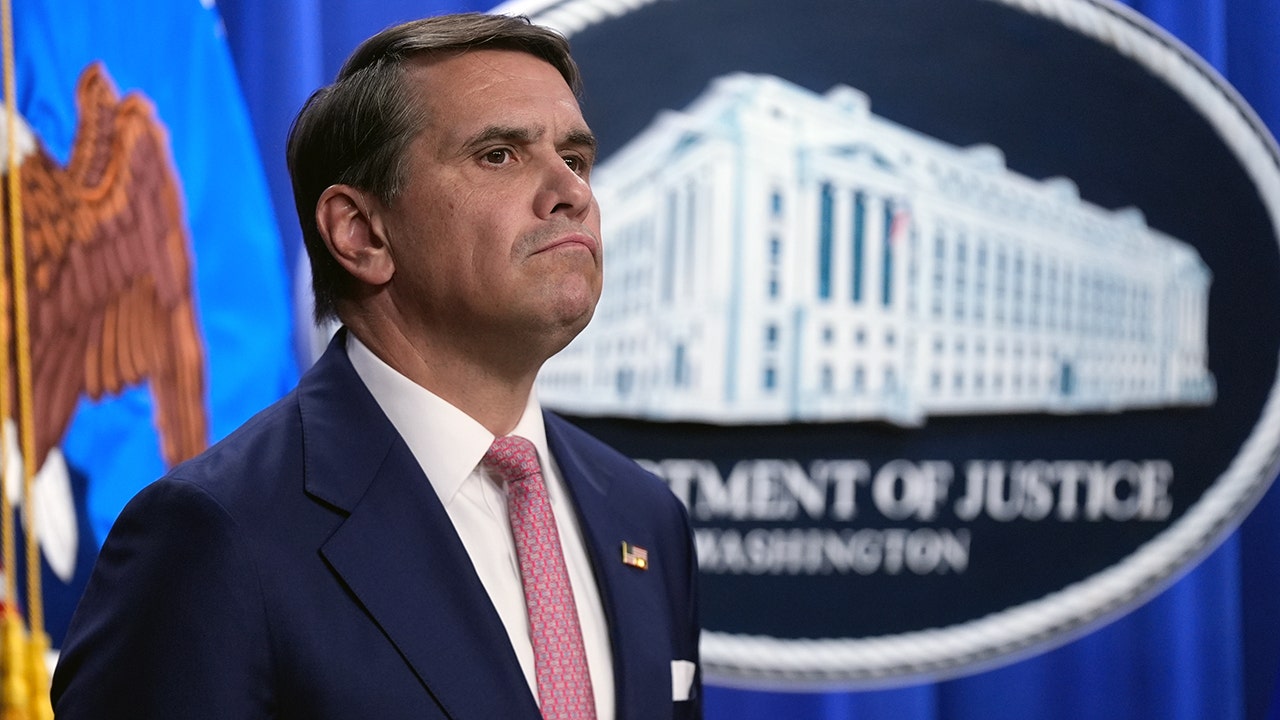
The Justice Department released a one-page document, signed only by acting attorney General Todd Blanche, that releases Trump, his family and his companies from — and bars the federal government from pursuing — any and all claims, lawsuits or relief of any kind that were asserted, or could have been asserted, by the Treasury Department or the IRS against them as of May 18, 2026.
Put simply, the acting attorney general has, with a single piece of paper, sought to erase any tax-related liability, civil or criminal, that any Trump or related business had as of last month.
And the breadth of that release — as well as who granted it and how — has many tax law experts sounding the alarm.
Brandon DeBot and Dave Hubbert of NYU’s Tax Law Center have observed that Blanche had no power to release the Trumps and their companies from tax-related liability. While the attorney general has broad settlement authority in cases, they note that Justice Department policy prohibits them from settling matters that have not been referred to the department for prosecution or defense.
David Ogden, a senior counsel with Democracy Defenders Fund and himself a former deputy attorney general, explained to MS NOW that as a result, the DOJ “doesn’t necessarily have the power to bind the IRS on every potential claim.” While Trump was litigating against the IRS for an alleged violation of his privacy rights, there are no other publicly known, tax-related matters that have been referred to the department.
Ogden added that Blanche’s addendum “would provide benefits to third parties” who were not themselves plaintiffs to Trump’s lawsuit against the IRS, which he said constitutes a violation of the Justice Department’s own policies.
“This kind of sweeping immunity is unprecedented and yet another abuse of power,” Ogden said.
Nor is the addendum countersigned by anyone other than Blanche, as one would expect of an amendment to a settlement agreement. Rather, it reads like a Justice Department decree.
DeBot and Hubbert further point out that the federal government does have a mechanism for resolving tax-related disputes that have not been referred to the DOJ. Under federal law and related regulations, the IRS may enter into “closing agreements” with individual taxpayers, which can close audits formally — and finally.
Nina Olson, the executive director of the Center for Taxpayer Rights, told MS NOW that closing agreements could have been a nonstarter for Trump or his representatives. The statute authorizing closing agreements also specifically provides that they are final unless there was fraud or the facts of the case were misrepresented.
Olson says either the IRS or the DOJ might have been concerned that any closing agreement with Trump could be reopened, something one would expect the administration to try to prevent. After all, Trump moved to dismiss his lawsuit against the IRS with prejudice, a move that typically ends all judicial oversight, before the Justice Department announced he had reached a settlement with it and the IRS.
Critics of the settlement have charged that this was by design: Trump, in their telling, deliberately aimed to strip the court of jurisdiction over his case — and supervision of the settlement.
Recommended

Lisa Rubin is MS NOW’s senior legal reporter and a former litigator.