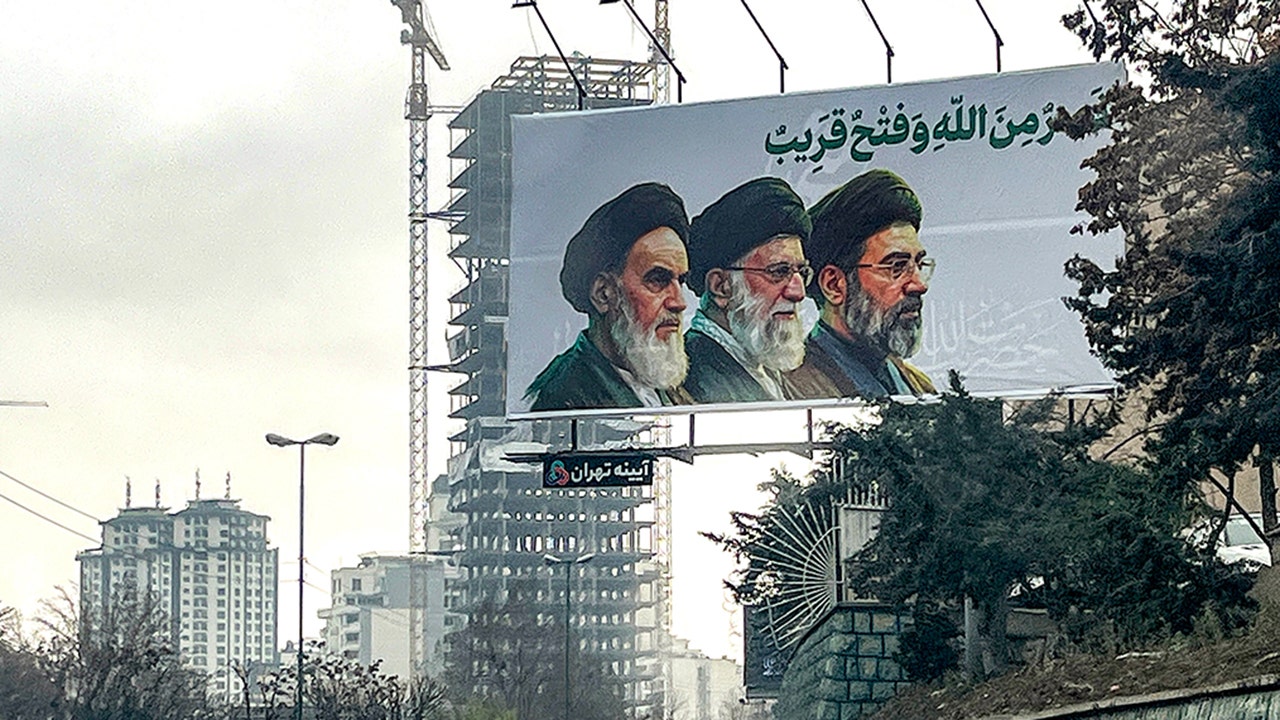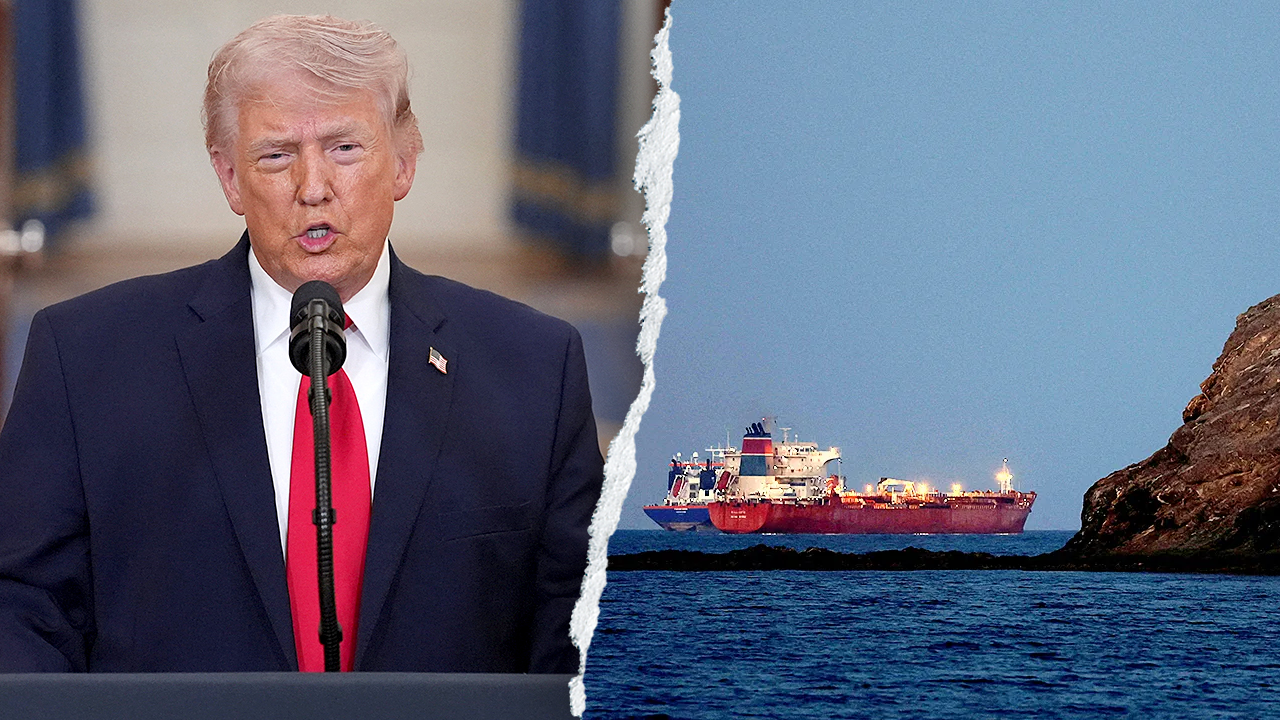
The Strait of Hormuz: Why Trump’s Iran ultimatum matters for oil markets
impactful, focusing on the key information for the reader.
The Strait of Hormuz: Why Trump’s Iran ultimatum matters for oil markets
In a bold move, President Donald Trump has given Iran until Tuesday to allow all vessels through the critical Strait of Hormuz or face strikes on infrastructure, as fuel costs surge globally. This ultimatum has sent shockwaves through the oil markets, impacting prices and supply worldwide.
⚡ Key Facts
- The Core: President Trump issues ultimatum to Iran regarding the crucial Strait of Hormuz.
- The Breakdown: The escalating tensions could disrupt the flow of 20 million barrels of oil per day.
- The Impact: Rising fuel costs are felt globally as the world watches the outcome of this high-stakes situation.
—
🔍 The Deep Dive
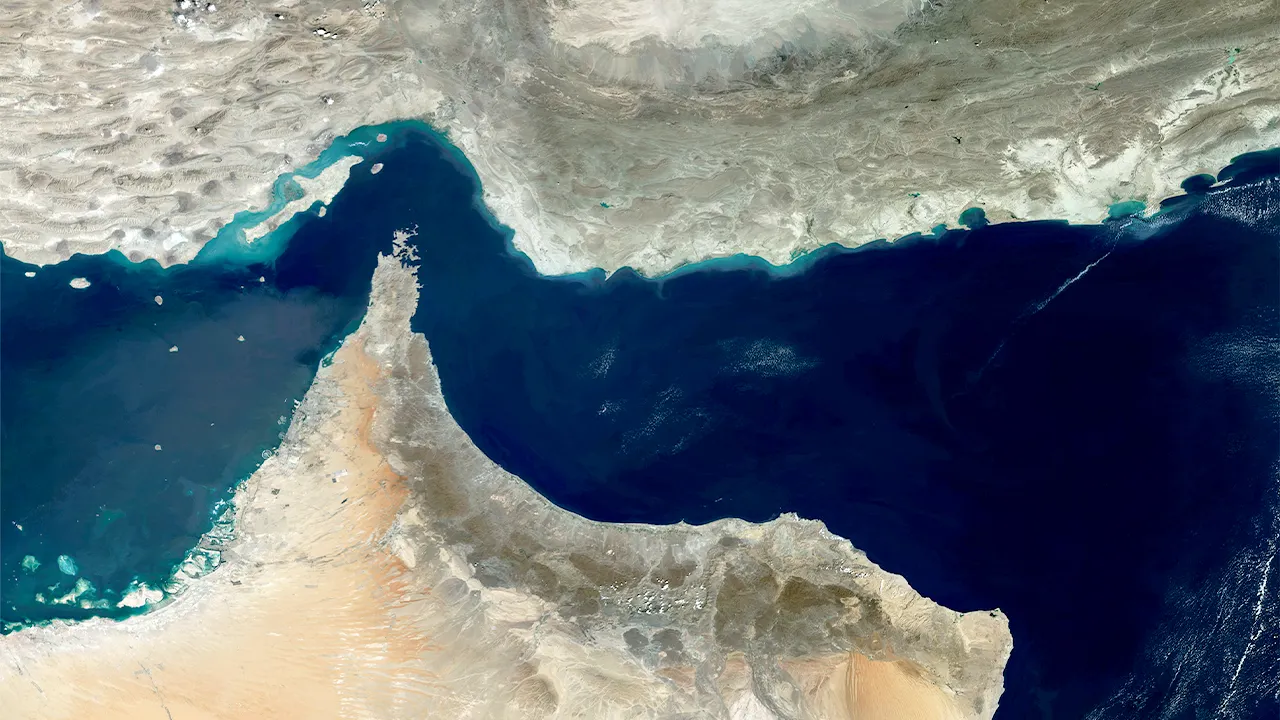
Why it’s happening: President Trump’s ultimatum to Iran stems from the importance of the Strait of Hormuz in global energy supply. The narrow waterway is a vital chokepoint through which a significant portion of the world’s oil and gas pass daily.
From one perspective: Advocates for change suggest that Trump’s aggressive approach could lead to further instability in the region and impact global energy markets negatively. The looming threat of strikes on Iran’s critical infrastructure raises concerns about potential consequences.
On the other hand: Conversely, critics maintain that Trump’s strong stance is necessary to ensure the free flow of energy resources through the Strait of Hormuz. From a strategic standpoint, the ultimatum aims to protect global energy security and stabilize oil markets.
🏁 The Bottom Line
As tensions escalate in the Strait of Hormuz, all eyes are on the outcome of President Trump’s ultimatum to Iran. The next steps in this high-stakes situation will have significant implications for oil markets and global energy security. The Strait of Hormuz, a narrow waterway between Iran and Oman, is a crucial chokepoint for global oil shipments. It is estimated that around 20% of the world’s oil passes through this strait, making it a vital route for the global energy market.
Recently, tensions in the region have escalated following the United States’ withdrawal from the Iran nuclear deal and the subsequent re-imposition of sanctions on Iran. In response, Iran has threatened to block the strait, potentially disrupting oil shipments and causing oil prices to spike.
In light of these developments, President Trump has issued a fresh ultimatum to Iran, warning that any attempt to disrupt oil shipments through the strait would not be tolerated. This has raised concerns about the potential for military conflict in the region and its impact on global oil markets.
The Strait of Hormuz has historically been a flashpoint for geopolitical tensions, with previous incidents leading to spikes in oil prices. Any disruption to oil shipments through the strait could have significant consequences for the global economy, as well as for oil-importing countries that rely on shipments passing through the strait.
As such, the situation in the region is being closely monitored by oil markets, with any escalation likely to result in increased volatility and higher oil prices. The potential for conflict in the region highlights the importance of the strait as a critical artery for global oil supplies, and underscores the need for diplomatic efforts to de-escalate tensions and ensure the continued flow of oil through the strait.