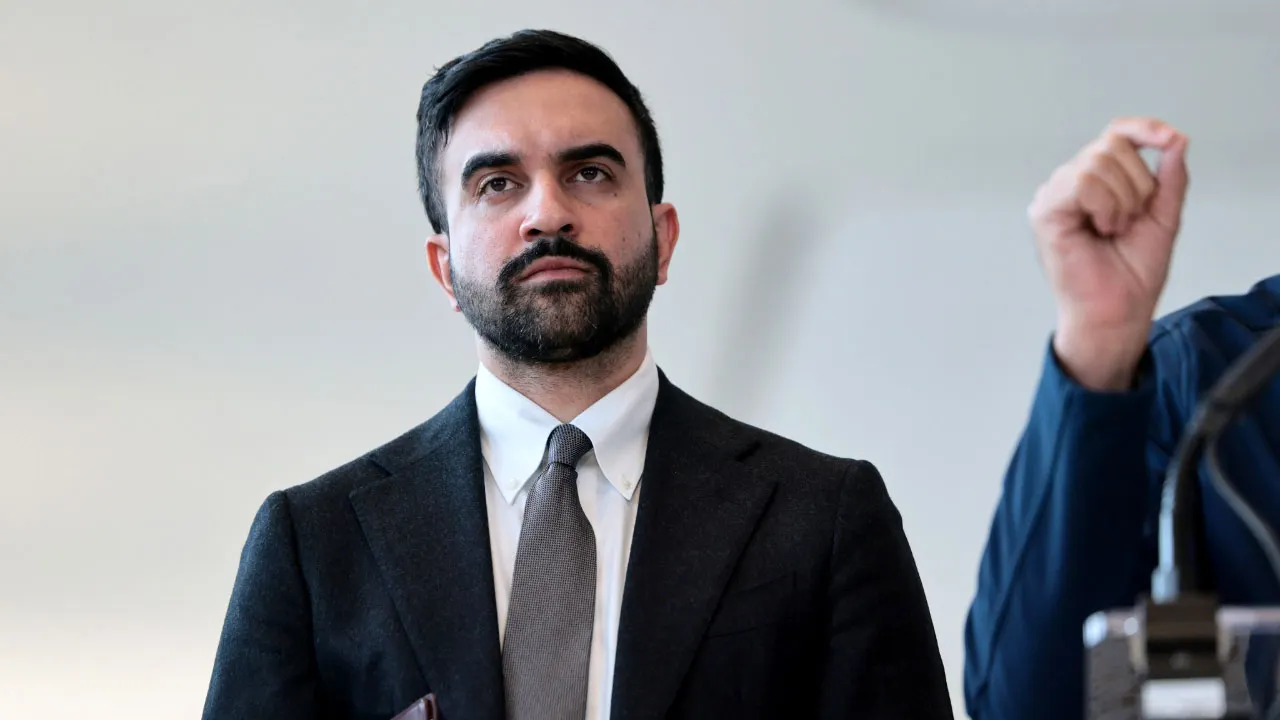
NYC Mayor Mamdani’s racial equity plan draws conservative and DOJ scrutiny
Advocates for change suggest that the plan is necessary to address systemic racial inequities in areas like housing, education, and income. They believe that the plan sets important goals for promoting justice and creating lasting change in New York City.
However, from a conservative perspective, critics argue that the plan is discriminatory and rewards or punishes individuals based on their skin color. They raise concerns about the legality and fairness of implementing race-based policies.
Overall, Mayor Mamdani’s racial equity plan has sparked a contentious debate between those who support its goals of addressing racial disparities and those who believe it unfairly targets white individuals. The plan’s impact and effectiveness will likely continue to be scrutinized as it moves forward.
For the latest and breaking news on Mayor Mamdani’s racial equity plan and the controversy surrounding it, visit Fox News. New York City Mayor Mamdani recently unveiled a new racial equity plan aimed at creating a more equitable future for all residents of the city. The plan includes measures such as investing in communities of color, increasing diversity in city government, and addressing systemic racism in various sectors.
However, the plan has drawn scrutiny from conservatives and the Department of Justice (DOJ). Critics argue that the plan is discriminatory and unfairly targets certain groups. The DOJ has even pushed back against the plan, stating that it may violate federal civil rights laws.
Despite the criticism, Mayor Mamdani remains committed to his vision of a more equitable city. He believes that taking bold action to address racial disparities is crucial in creating a more just and inclusive society.
The debate over Mayor Mamdani’s racial equity plan highlights the ongoing tensions between those who believe in the importance of addressing systemic racism and those who argue that such efforts are misguided. It remains to be seen how the plan will be implemented and whether it will ultimately achieve its goal of creating a more equitable future for all New Yorkers.