Trump pauses planned Iran attack, cites progress toward peace deal
Trump pauses planned Iran attack, cites progress toward peace deal
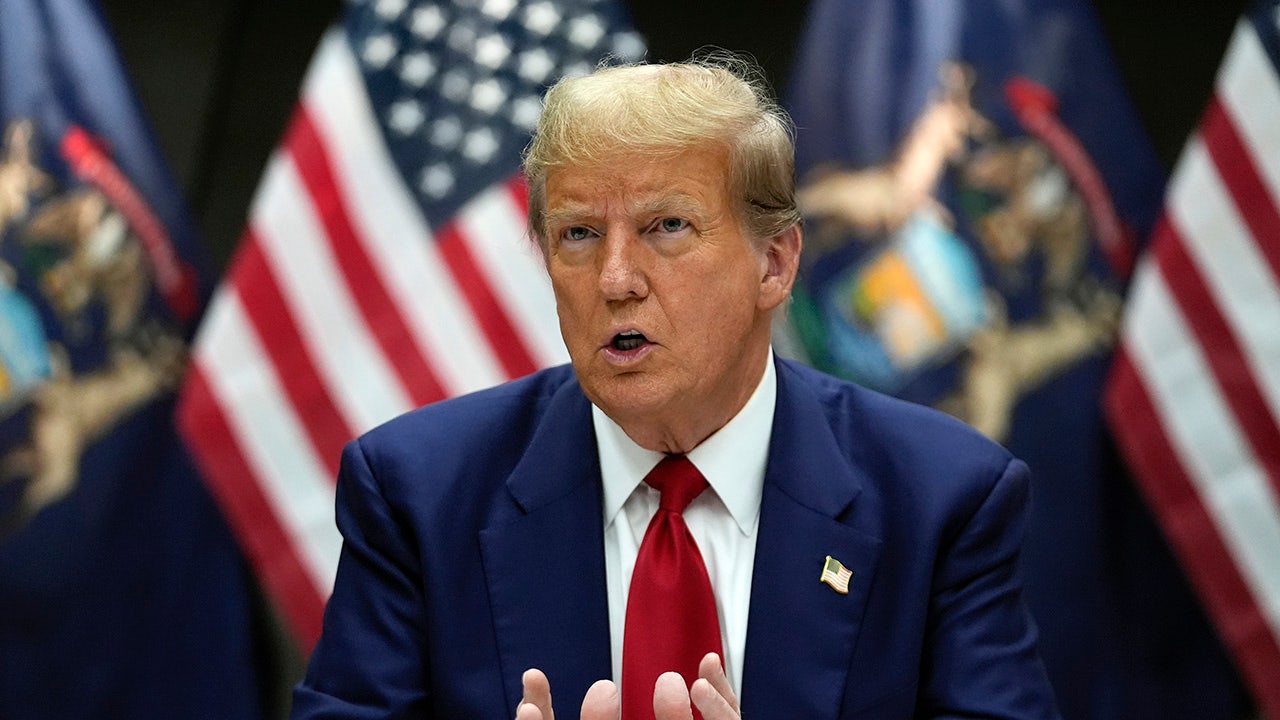
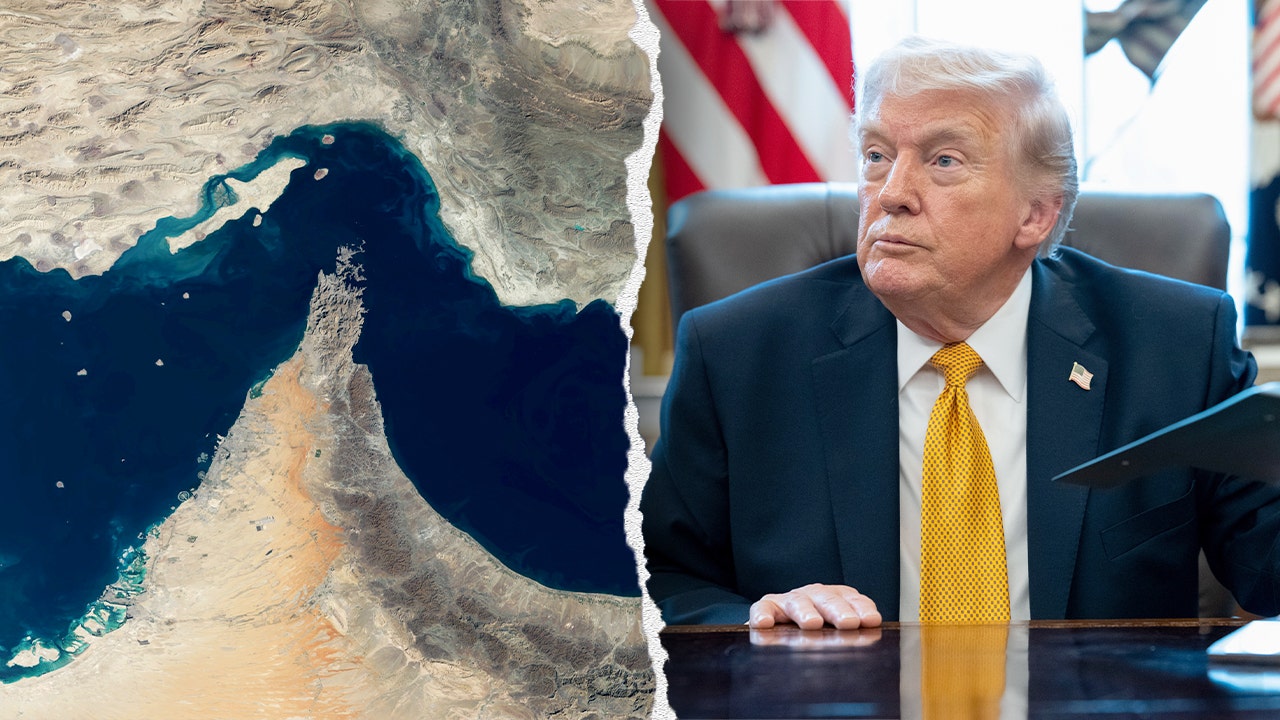
In a surprising turn of events, President Donald Trump has announced a two-week delay in the planned bombing and attack on Iran, following conversations with Pakistani Prime Minister Shehbaz Sharif and Field Marshal Asim Munir. This decision comes as a result of the leaders’ request to hold off on the destructive force being sent to Iran, contingent on the Islamic Republic of Iran agreeing to the complete, immediate, and safe opening of the Strait of Hormuz.
⚡ Key Facts
- The Core: President Trump agrees to a two-week ceasefire with Iran, pausing planned military strikes.
- The Breakdown: The postponement is subject to Iran reopening the Strait of Hormuz immediately.
- The Impact: This development signifies progress toward a potential peace deal with Iran and in the Middle East.
—
🔍 The Deep Dive
Why it’s happening: President Trump’s decision to delay the military strikes on Iran is a result of discussions with Pakistani leaders and the potential for a peace agreement. The two-week ceasefire is contingent on Iran’s agreement to reopen the Strait of Hormuz immediately. Read more here.
From one perspective: Advocates for change suggest that the delay in military action demonstrates a willingness to engage in diplomatic solutions and avoid unnecessary conflict. This move could pave the way for peaceful negotiations and resolution of long-standing tensions. Read more here.
On the other hand: Conversely, critics maintain that delaying the military strikes may signal weakness and could embolden Iran to continue its provocative actions in the region. From a strategic standpoint, some argue that a show of force is necessary to deter further aggression. Read more here.
🏁 The Bottom Line
As the two-week ceasefire unfolds, all eyes will be on Iran’s response and the progress made toward a potential peace deal. The outcome of these negotiations could have significant implications for the stability of the region and future diplomatic relations.