DeSantis defends law to cut public funds from jihad-linked groups
DeSantis defends law to cut public funds from jihad-linked groups
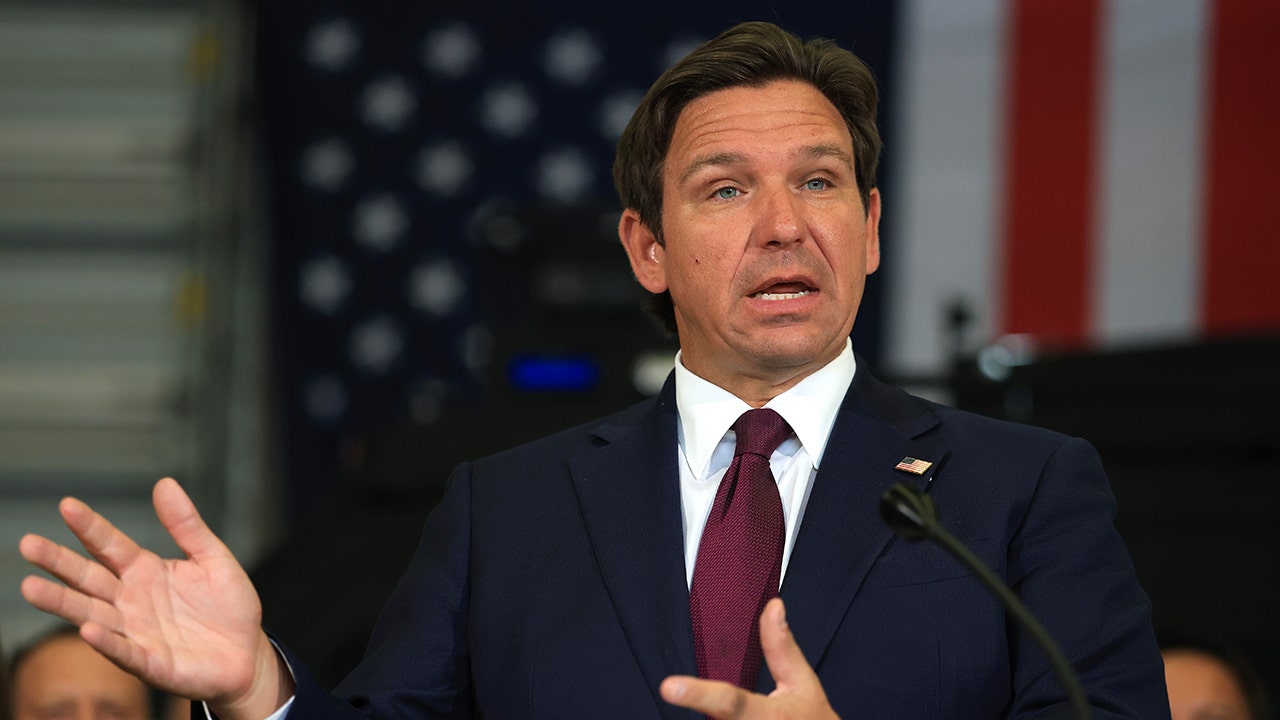
In a bold move, Florida Governor Ron DeSantis has stood firm in defense of a new law that allows state officials to designate terrorist organizations and penalize universities that support them. This measure aims to block entities tied to radical Islamist groups from receiving public funds, setting Florida ahead of the curve in addressing national security concerns.
⚡ Key Facts
- The Core: Florida Governor Ron DeSantis defends a new law targeting alleged jihad-linked groups and preventing them from receiving public funds.
- The Breakdown: The law reaffirms that Florida courts cannot enforce foreign or religious laws, including Sharia law.
- The Impact: This law gives the Florida Department of Law Enforcement the ability to declare domestic terrorist organizations, subjecting them to various prohibitions, including the barring of public funding.
—
🔍 The Deep Dive
Why it’s happening: Governor DeSantis argues that the measure is necessary to identify and prevent groups that support terrorist organizations from receiving public funds. This proactive approach aims to safeguard the state against potential threats. Read more
From one perspective: Advocates for change suggest that targeting alleged jihad-linked groups can help enhance national security measures and prevent radicalization within communities. They view this law as a step in the right direction to protect the state and its citizens. Read more
On the other hand: Conversely, critics maintain that the law may risk infringing on civil liberties and freedom of expression. They raise concerns about potential discrimination and the impact on academic freedom within universities. From a legal standpoint, questions arise about the constitutionality of penalizing organizations based on their alleged links to terrorism. Read more
🏁 The Bottom Line
As Florida takes a proactive stance against alleged jihad-linked groups, the implementation and impact of this law will be closely monitored. The ongoing debate surrounding national security, civil liberties, and academic freedom is expected to continue as the state navigates this complex issue.