The clock is ticking on an Iran talks. Here’s what still has to get done.

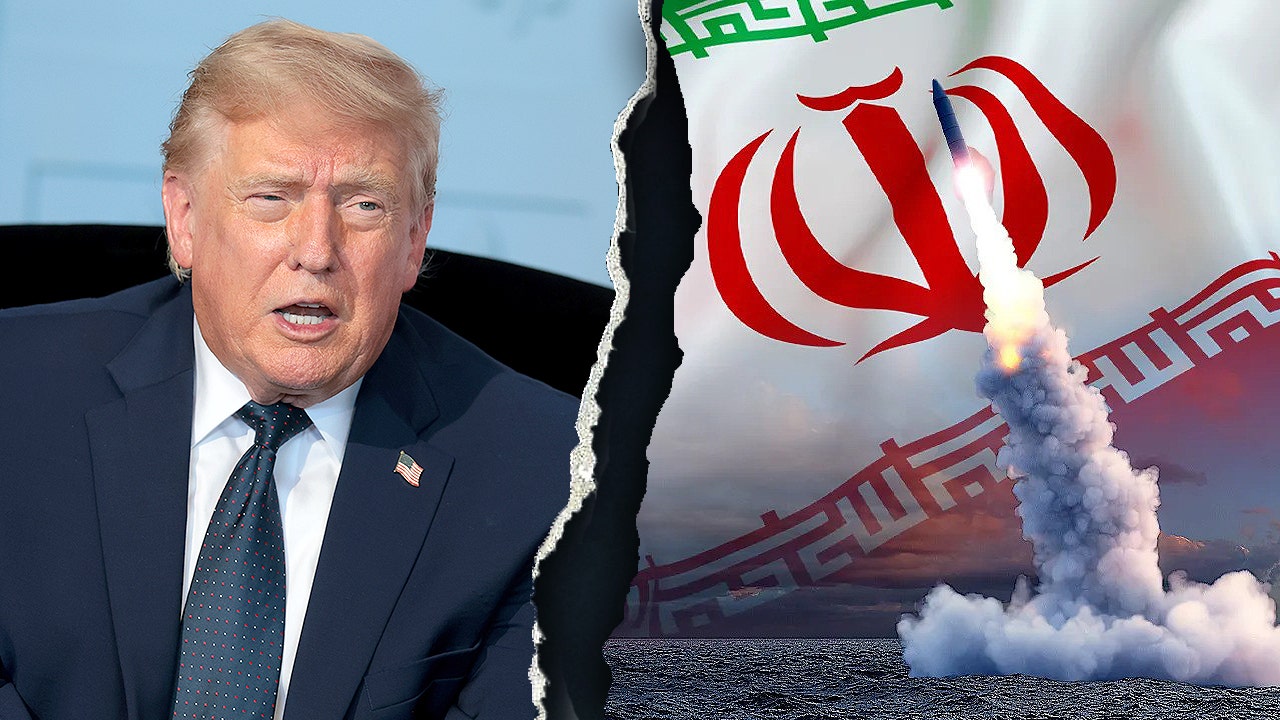
As talks loom between the U.S. and Iran, negotiators face a simple and daunting task: turning a 14-point memorandum of understanding into a comprehensive nuclear deal within 60 days.
The ticking clock was set in motion on Thursday, according to Vice President JD Vance, following the signing of the MOU one day earlier. That signing brought an official end to military hostilities. What it did not do is resolve the conflict that caused them.
Some agreements took effect immediately upon signing: a cessation of hostilities, the reopening of the Strait of Hormuz, the lifting of the U.S. naval blockade, the issuing of oil waivers and initial steps to unfreeze billions of dollars in Iranian assets.
But those were the easy parts.
What remains are the metaphorical landmines — the unresolved questions the MOU largely deferred rather than decided, each with the potential to blow up any prospect for a nuclear deal. On Thursday evening, the White House announced that Vice President JD Vance will not attend talks in Switzerland that had been planned for Friday — a decision that may well be read as a signal of just how far apart the two sides are. A White House spokesperson acknowledged in a statement that while the U.S. delegation has been prepared to depart at the first available opportunity, “the logistics of these negotiations have never been simple or predictable.”
Here is what the negotiators will actually have to solve:
The future of the Strait of Hormuz
The MOU ensures safe passage of commercial vessels through the Strait of Hormuz “with no charge for 60 days only,” and outsources the negotiating responsibility for ensuring long-term toll-free passage to Gulf allies — ceding responsibility for a key outstanding issue.
“We don’t ever want this to happen again — that’s not about tolling, that’s about ensuring that the Straits are never used as a choke point for the global economy ever again,” Vance said at the White House on Thursday. “If that’s not reflected in the final deal, there’s not going to be a final deal.”
Recognizing the Iranians will “assert their rights as aggressively as they can,” a senior U.S. official was confident Gulf states would preserve their own self-interests and press Iran to allow toll-free passage.
There’s also the matter of demining the waterway. Iran has 30 days for “removing the technical and military obstacles and demining,” but mine removal could take weeks or even months — potentially testing U.S. patience if ship traffic doesn’t recover quickly.
In a joint statement following this week’s G7 summit in France, leaders said a defensive initiative led by France and the UK could help by “protecting merchant vessels, reassuring commercial shipping operators, and supporting verification that all mines are removed.”
Sanctions and frozen assets
Senior U.S. officials have said sanctions relief for Iran would be tied to its performance — but haven’t yet indicated what those benchmarks will be.
“As they dial up their good behavior, we can dial up the economic relief,” Vance said in broad terms on Thursday at the White House. “If they dial down their good behavior, we can turn it off.”
The MOU commits the U.S. to ending all Iranian sanctions — including those imposed by the U.N. Security Council and the International Atomic Energy Agency — “in an agreed-upon schedule as part of the final deal.” How quickly the U.S. is willing to provide this economic relief could become a sticking point.
Complicating matters further: whether lifting of sanctions would require congressional action, and how the State Department’s designation of Iran as a State Sponsor of Terrorism factors in.
Then there’s the unfreezing of billions of dollars of Iranian assets. Though the Trump administration insists any release would be tied to Iran’s performance, the MOU’s own text undercuts that: Paragraph 13 says the process of releasing assets must begin before negotiations even start, handing Iran an upfront incentive rather than one to earn.
“It’s clearly a huge loophole and a potential for disagreement,” said Aaron David Miller, a former Middle East advisor and negotiator for the State Department, calling the text’s language “destructive ambiguity.”
The Lebanon front
The MOU calls for “the immediate and permanent termination of military operations on all fronts, including in Lebanon.”
“We expect Hezbollah is not going to be firing rockets and firing drones at the Israelis, and we also expect that the Israelis are not going to be going wild in Lebanon, right? Both sides have to honor their end of the deal,” Vance said at the White House on Thursday.
Yet Israel did not sign the aforementioned “deal.”
Israeli Ambassador to the U.S. Yechiel Leiter said it’s “unnecessary” for Lebanon to have been included in an agreement between the U.S. and Iran, pouring cold water on the idea that Israel would cease its offensive against Hezbollah and occupation of southern Lebanon — even if Iran says that’s a dealbreaker for negotiations.
“This is something that we simply can’t live with,” Leiter told NPR on Tuesday. “We can’t have jihadi terrorists on our border. … We’re not going to withdraw from South Lebanon, and the mad men of Tehran have no business poking their nose into Lebanon.”
A U.S. official confirmed that U.S.-brokered peace talks between Israel and Lebanon will continue as planned next week at the State Department. Whether the Lebanon provision holds will depend on Iran keeping Hezbollah in check and Trump keeping Netanyahu in line.
Iran’s reconstruction
The MOU promises that within 60 days, the U.S. would work “with regional partners” to develop a plan guaranteeing at least $300 billion for Iran’s “reconstruction and economic development.”
Recommended

Julia Jester covers politics for MS NOW and is based in Washington, D.C.