
Rising U.S. casualties are making Trump’s war in Iran harder to defend

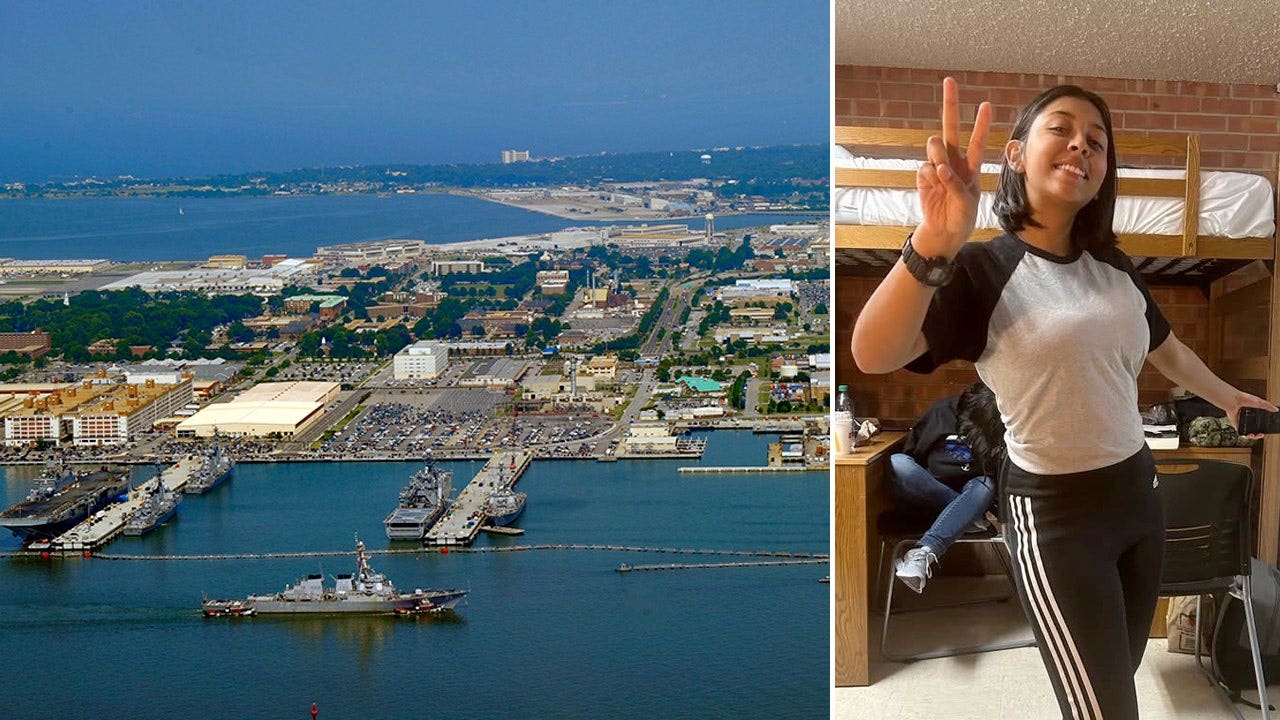
The resumption of hostilities between the United States and Iran has caused an uptick in U.S. casualties. Last week, CENTCOM confirmed the deaths of three more U.S. service members killed in action, and the total number of troops killed during the war currently stands at 18. Meanwhile nearly 100 troops have been injured over the past two weeks as Iran escalates attacks on U.S. bases across the Middle East.
President Donald Trump continues to try to cast the war as an operation of total U.S. domination against a defanged regime, but Iran is striking back, with American lives at stake, making justifications for continuing the unpopular war even harder for Trump. And with the president signaling an openness to escalating the conflict even further in the coming weeks, the human toll is likely to increase. (Iranian casualties are far worse, with at least 1,700 Iranian civilians killed, according to estimates from the U.S.-based Human Rights Activists News Agency.)
It will be nearly impossible for the Trump administration to ward off the reality that casualties make wars less popular.
Already lacking in meaningful transparency, the Trump administration appears to be growing more cagey about releasing information about casualties. But efforts to delay or obscure the information are unlikely to prevent the inevitable — the war will become even more widely despised as more people die.
CNN reported on Monday that the Pentagon has been “slow to disclose injuries to U.S. troops during the ongoing war with Iran, avoiding publicly confirming the fallout from Iranian attacks and mostly reserving totals to a military website that lags events by several days or even weeks.” And its mode of communication about casualties has shifted: “While earlier in the war U.S. Central Command, the military headquarters overseeing the war effort, would provide periodic updates on injuries, it has not been regularly disclosing non-fatal attacks in recent months,” CNN reported. (The Pentagon’s top spokesman, Sean Parnell, told CNN that reporting delays are necessary, saying, “Providing real-time information on non-fatal casualties to the media is the same as providing that information directly to our adversaries, which could put even more service members at risk with access to that quick information.”)
The New York Times pointed out that the Pentagon declined to divulge Iranian strikes on U.S. bases in Jordan last week, which in turn may have misled the public about why the U.S. was conducting airstrikes against Iranian military sites. And that happened amid a broader reticence to brief the public about the direction of the war: “The last major Pentagon briefing on the war was in early May.” (Parnell responded to the Times article in a statement, saying that “claims of concealment are fabrications.”)
Given the Trump administration’s dishonesty about the war, the president has long ago forfeited any right to be given the benefit of the doubt. But regardless of whether the Trump administration’s changes in its communication style has been motivated by operational security or making it harder for the public to see how much blood has been shed on its orders, the news is trickling out: The troops are being killed and injured.

Zeeshan Aleem is a writer and editor for MS NOW. He primarily writes about politics and foreign policy.