Inside the Michigan Senate primary that could reshape the Democratic Party

FERNDALE, Mich. — “Money out of–” Abdul El-Sayed called out to the hundred or so people who turned out to a get-out-the-vote event in the closing days of the Michigan Democratic Senate primary.
“Politics!” they shouted back.
“Money in your–”
“Pocket!”
In a few words, that call-and-response summed up El-Sayed’s whole campaign: as much a run against Rep. Haley Stevens as against the political system as a whole. “This is ‘the money’ versus ‘the many,’” he told MS NOW backstage just before the event.
Tuesday’s primary is the latest test of whether progressive policy and messaging can survive Democratic voters’ anxieties about electability — and it’s playing out in a seat the party almost certainly must win to have any shot at retaking the Senate. This intraparty brawl will say as much about who’s best positioned to “fight” for Michigan as it does about the future of the Democratic Party.
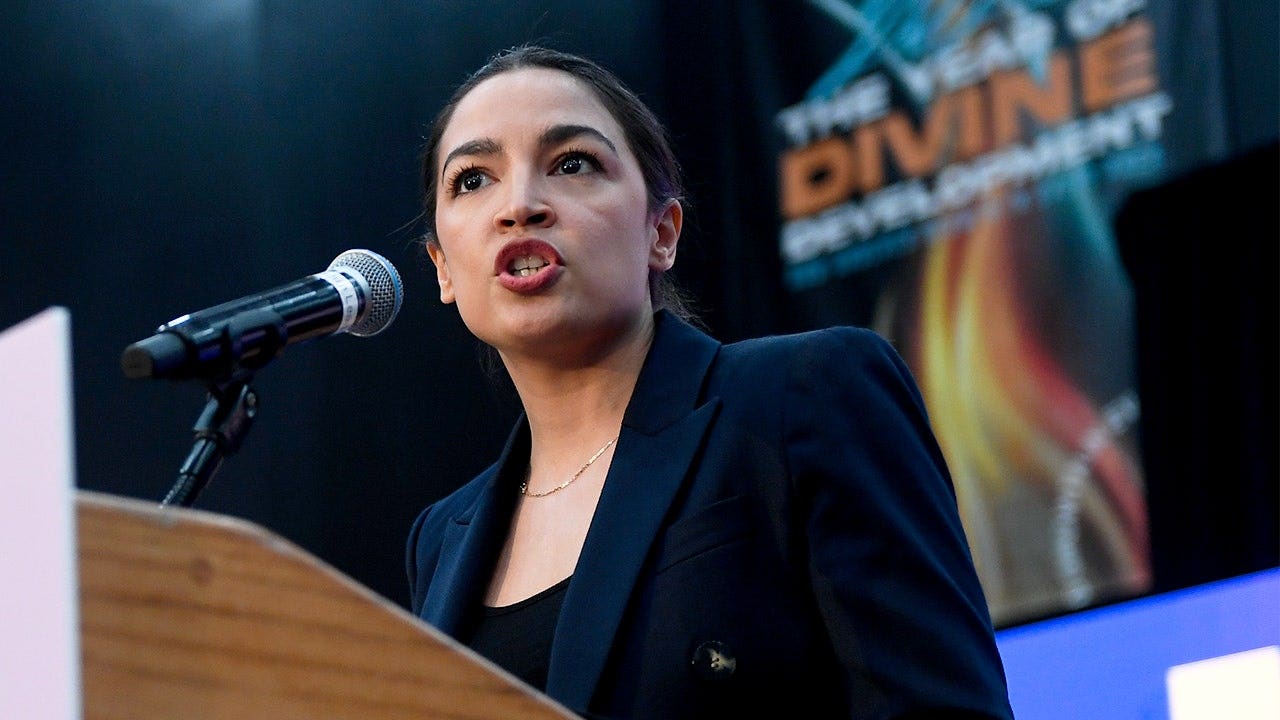
El-Sayed casts himself as a political outsider, bucking the “progressive” label and actively correcting the “democratic socialist” sometimes applied to him — he’s not a socialist, even as he’s boosted by, and sounds like, many of the people who wear that banner: Sen. Bernie Sanders, Rep. Alexandria Ocasio-Cortez and Hasan Piker, the leftist streamer and commentator.
This kind of firebrand, anti-establishment populism has found pockets of support in Michigan before, but not enough to win statewide.
Electability concerns dog him, too. Republicans say they’d rather face El-Sayed in November — even as some late polls show him pulling ahead of Stevens. He told MS NOW that he’ll beat the GOP standard-bearer, Mike Rogers, “by seven [points], probably more” in November.
Other Democrats are less optimistic. Though a Republican hasn’t won a Senate election here in more than three decades, in 2024, Rogers came within about 0.3 percentage points of defeating now-Sen. Elissa Slotkin, a Democrat widely known as a political moderate.
It’s a cautionary data point Stevens has been quick to press. Rogers, she says, “believes Abdul will make it easier for him to win,” while pushing her own credentials as “a tough-as-nails Democrat … who wins for Michigan.” Like Slotkin, she was first elected to the House in 2018 while flipping a swing seat from red to blue. She has held it since, even as its boundaries were redrawn to make it safely blue.
“I could have stayed comfortable,” she told a predominantly Black congregation on a recent Sunday while campaigning. “I could have stayed in that House seat that we all worked so hard for. You know, the first pro-labor, pro-voting rights Democrat in 50 years to get that seat. I could have stayed comfortable, but this is not the moment to stay comfortable, is it?”
Stevens is counting on Black voters across Michigan to fuel her — especially in Detroit, the Democratic stronghold and state’s most populous city. But she’s also got the backing of Michiganders who themselves have won tough statewide races in the perpetual battleground state, including Sen. Gary Peters, who holds the seat, former Sen. Debbie Stabenow and sitting Gov. Gretchen Whitmer. Peters and Whitmer previously said they were not going to endorse, only to be drawn off the sidelines as El-Sayed’s momentum grew.
“The change of heart is that we know we have to hold Michigan,” Peters told MS NOW after endorsing Stevens last month.
The Gaza question
Many Democratic primaries turn on differences of style and message. This one has that dynamic, but features major disagreements on policy — chief among them, U.S. support for Israel. Michigan has large Muslim and Arab populations sympathetic to the Palestinian cause, while pro-Israel Jewish voters have long been important backers of the Democratic Party. For many voters on both sides of that issue, it is deeply personal — which helps explain why, in 2024, a small but potentially decisive number of voters here stayed home or withheld their support for Vice President Kamala Harris over her stance on Gaza. Trump carried the state.
El-Sayed has been sharp critic of Israel, accusing the U.S. ally of committing genocide in Gaza and saying he’d vote to halt more American dollars going to aid it.
“I don’t pay my taxes — you don’t pay your taxes — so other countries get bombs and tanks for no reason,” he told MS NOW.
Asked how that instinct — spend at home, not abroad — would apply to something like aid to Ukraine, El-Sayed drew a distinction: “What I’m against is unconditional foreign military aid. Ukraine aid is not unconditional. We’re not just funding the military of Ukraine because we want to; we’re funding the Ukrainian military because they are actively fighting a war against a guy who transgressed against their boundaries. That’s conditions.”
Recommended

Ali Vitali is MS NOW’s senior congressional correspondent and the host of “Way Too Early.” She is the author of “Electable: Why America Hasn’t Put a Woman in the White House … Yet.”

Emily Gold
Emily Gold is a coordinating producer for MS NOW.