Michigan’s Senate primary reveals the Democratic Party’s unresolved tensions

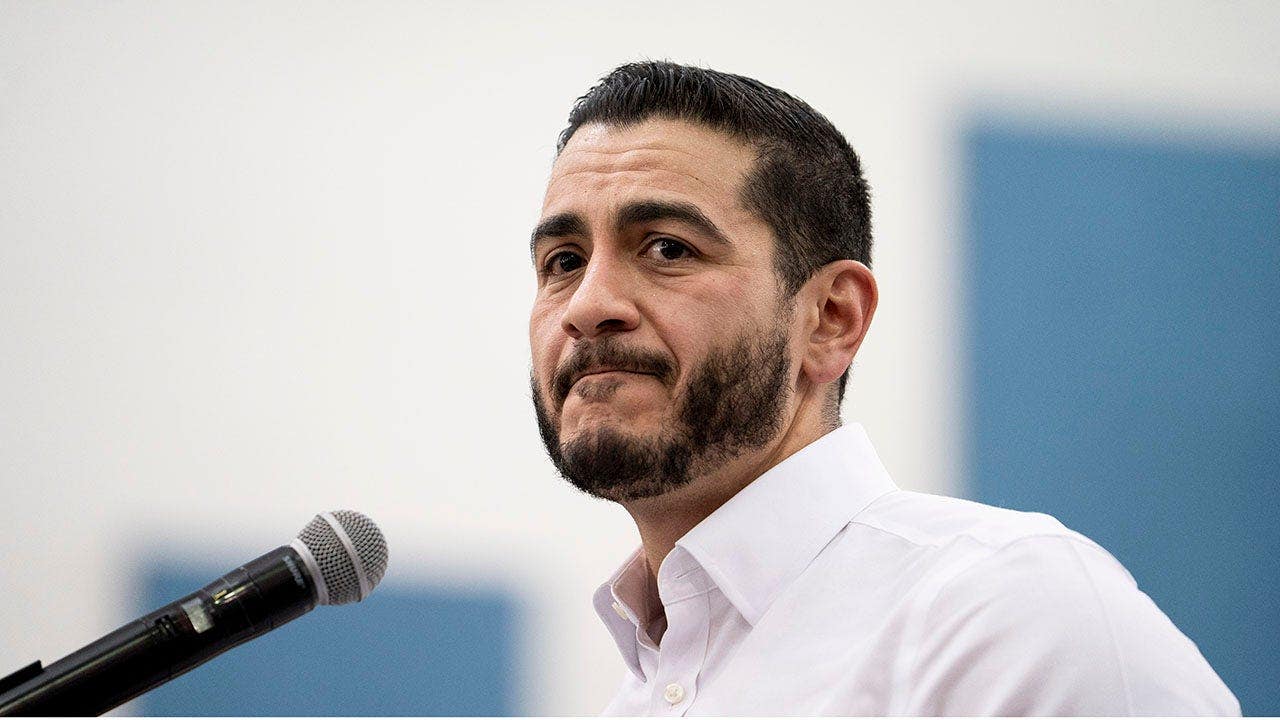
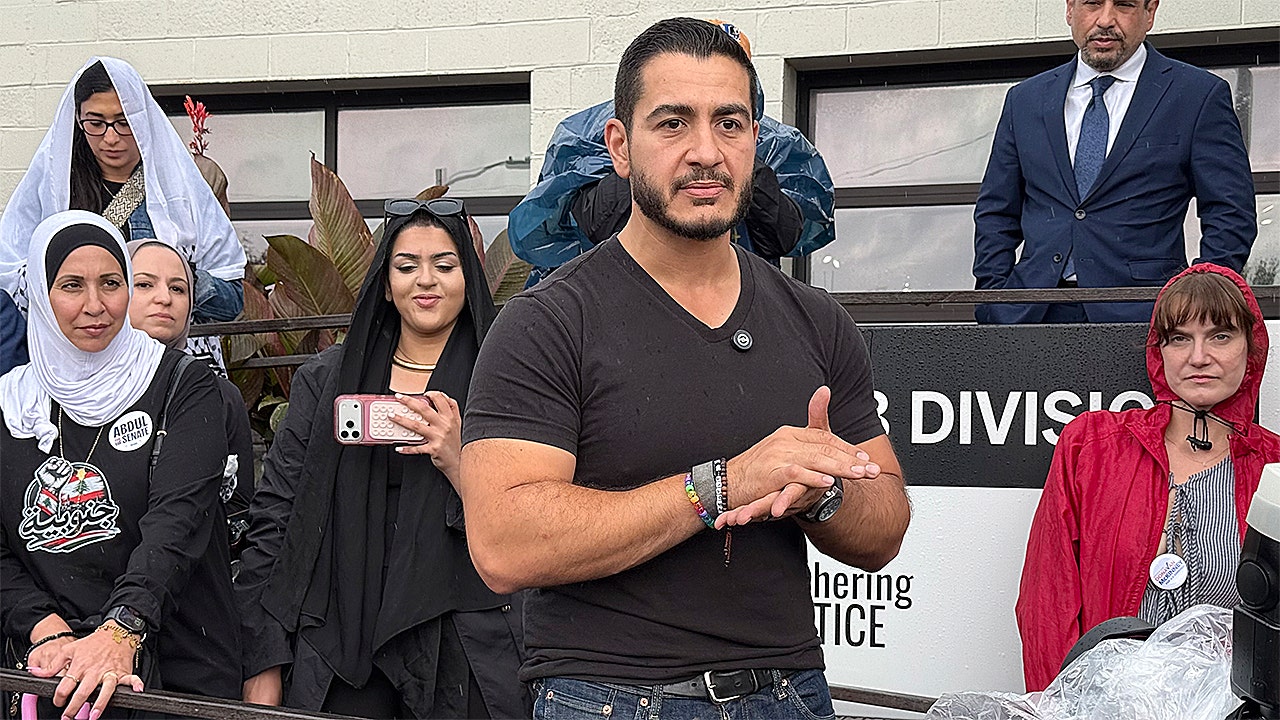
For the legions of weary Michiganders who have endured Democrats’ brutal and eye-wateringly expensive primary campaign to succeed outgoing Sen. Gary Peters, Tuesday marks the end of one battle and the beginning of another. A Democratic Party establishment that just spent months poisoning voters against progressive candidate Abdul El-Sayed must now figure out how to put together their fractured party to hold a critical Senate seat in November.
Democrats’ mess in Michigan, and El-Sayed’s ability to weather what should have been a debilitating coordinated effort by Democratic leaders to dislodge him from front-runner status, should be a wake-up call to the party’s Washington elite.
Almost every ad attacking El-Sayed originated not from Republicans but from his fellow Democrats.
Whether voters select El-Sayed or his main opponent, Rep. Haley Stevens, the Democratic Party will face the monumental task of restoring trust among the many rank-and-file Democrats who suspect the party establishment would rather surrender the state’s senate seat to a Republican than legitimize El-Sayed’s outsider candidacy.
Perhaps voters would have listened to the criticism from establishment Democrats like strategist James Carville and former Democratic National Committee Chair Jaime Harrison about El-Sayed, and progressive candidates in general, if the party’s centrist strategy had won the White House and recaptured one or both houses of Congress in 2024. But that isn’t the case.
Recent polling shows that the Democratic Party and its leaders are still scraping all-time low approval ratings with their own base, and Democrats nationally are even less popular than President Donald Trump. With all due respect to Senate Majority Leader Chuck Schumer and the DNC, they aren’t in a position to be telling anyone much of anything.
The fight between El-Sayed and a rotating cast of Democratic challengers first drew the party’s national leaders into a damaging public brawl that blanketed voters’ screens with almost $100 million in attack ads. Nearly all that money came from outside groups opposing El-Sayed or supporting Stevens, yet a tidal wave of negativity did not appear to dim voter enthusiasm for El-Sayed, who has maintained a 9-point lead heading into Election Day.

To the party’s progressive base, the Democratic leadership’s clunky efforts to rally Michigan voters first behind state Sen. Mallory McMorrow (who dropped out in early July) and then Stevens felt like an effort to stage-manage the state’s politics. That didn’t play well with Michigan Democratic voters, who routinely voiced their frustration with national leaders they described as “weak” and inept. Democrats faced a similar backlash in Maine, where efforts to position Gov. Janet Mills as the party’s presumptive Senate nominee earlier this year fell flat with voters. Like McMorrow, Mills unceremoniously abandoned her Schumer-backed campaign amid surging support for outsider progressive candidate Graham Platner, who dropped out after allegations of sexual assault and abuse from previous relationships. (He has denied the allegations.)
Like Platner, El-Sayed’s unapologetically leftist candidacy was incendiary from the start. His strong criticism of the Israeli government and the war in Gaza led centrist Democratic groups like Third Way to accuse El-Sayed of antisemitism, an attack Stevens adopted five days before Election Day. In an essay for The Atlantic, Jonathan Chait described El-Sayed as an Israel-obsessed conspiracy theorist “fus[ing] together two toxic ideologies.” At times during the primary, almost every ad attacking El-Sayed originated not from Republicans but from his fellow Democrats.

Max Burns is a Democratic strategist and founder of Third Degree Strategies. Find him on X, @themaxburns.