Edo turns office buildings into virtual power plants
Key Points:
- Energy demand is increasing due to data centers and AI systems.
- Utilities are looking to office buildings to help alleviate stress on the grid.
- Virtual power plants connect buildings to act as a coordinated energy resource.
- Edo focuses on commercial buildings to optimize energy usage.
- Virtual power plants offer a more cost-effective and efficient solution compared to building new infrastructure.
- As AI demand grows, flexible energy strategies become more important.
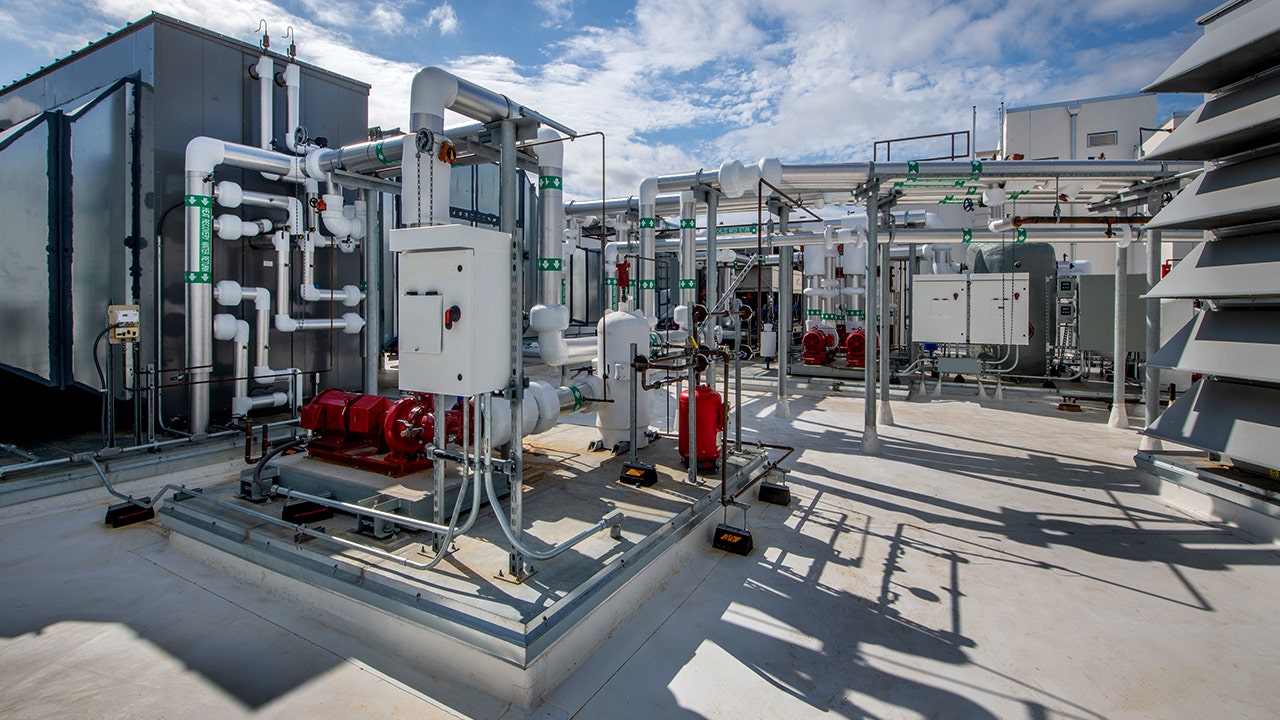
This article highlights the innovative approach taken by Edo, a Seattle startup, in turning office buildings into virtual power plants to support the grid during times of high energy demand. By connecting various building systems like HVAC, batteries, solar, and EV charging, Edo can optimize energy usage and provide flexibility to utilities when needed.
As the demand for electricity continues to rise, especially with the increasing use of AI tools, virtual power plants offer a practical and scalable solution to alleviate strain on the grid without the need for building new infrastructure. This shift towards more flexible energy strategies is crucial in ensuring grid stability and meeting the growing energy needs of the future. ## Edo turns office buildings into virtual power plants
In a groundbreaking move, Edo is transforming office buildings into virtual power plants, revolutionizing the way energy is generated and utilized. This innovative approach is making waves in the tech world, with Fox News reporting the latest and breaking news on this game-changing development.
## ⚡ Key Facts
– **The Core**: Edo is utilizing office buildings to create virtual power plants.
– **The Breakdown**: This initiative aims to address the increasing power needs of artificial intelligence technology.
– **The Impact**: This trend is gaining momentum as companies look for sustainable energy solutions.
—
### 🔍 The Deep Dive
**Why it’s happening**: Edo’s initiative to turn office buildings into virtual power plants is a response to the growing power demands of AI technology. This move not only addresses the need for more energy-efficient solutions but also taps into the potential of existing infrastructure to meet these demands.
**From one perspective**: Advocates for change suggest that Edo’s approach is a step in the right direction towards sustainable energy practices. By repurposing office buildings for energy generation, this initiative showcases the potential for innovative solutions to meet the challenges of modern technology.
**On the other hand**: Conversely, critics maintain that there may be challenges in implementing such a system on a larger scale. From a fiscal standpoint, there may be concerns about the initial investment required to set up virtual power plants in office buildings and whether the returns will justify the costs.
### 🏁 The Bottom Line
This shift towards utilizing office buildings as virtual power plants is a trend to watch in the tech industry. As companies seek more sustainable energy solutions to meet the demands of AI technology, Edo’s innovative approach could pave the way for a more energy-efficient future.