Trump reportedly considers leaving NATO amid ongoing Iran conflict
Trump reportedly considers leaving NATO amid ongoing Iran conflict
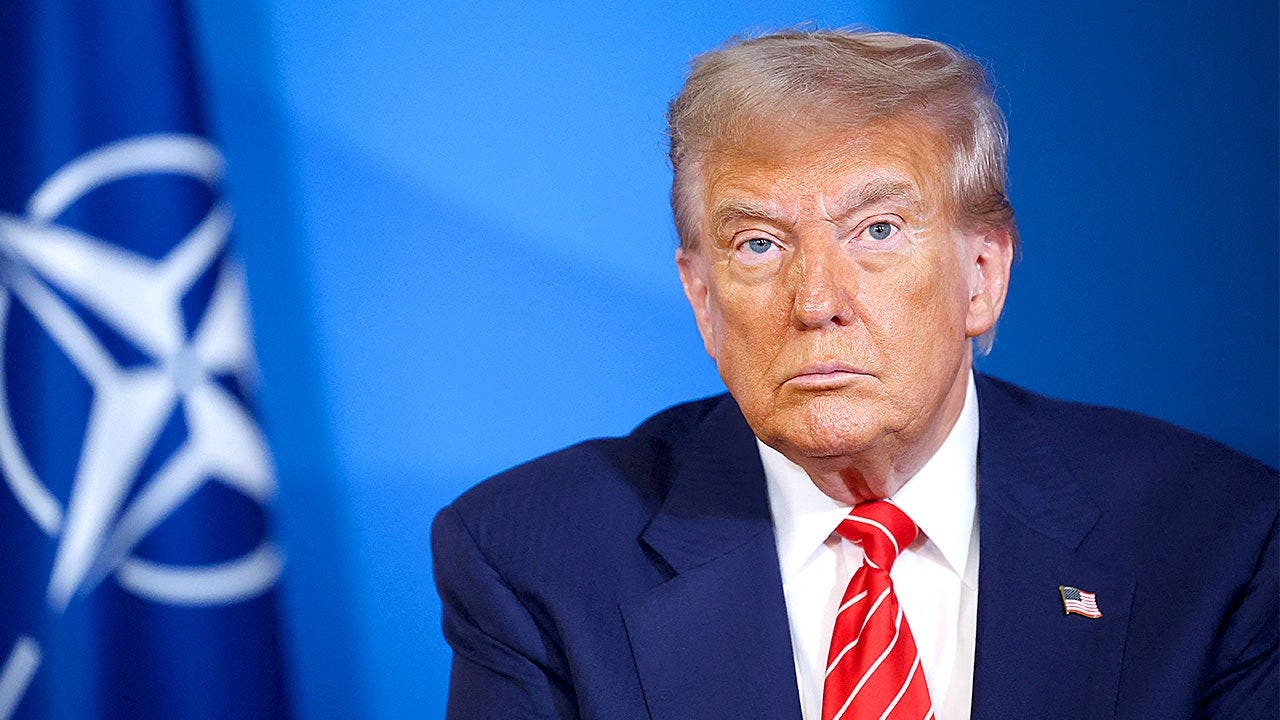
In a shocking turn of events, President Donald Trump is contemplating pulling the United States out of NATO due to the alliance’s refusal to support his administration’s actions in the Iran conflict, as reported by Fox News.
⚡ Key Facts
- The Core: Trump is considering withdrawing from NATO over the alliance’s lack of support in the Iran conflict.
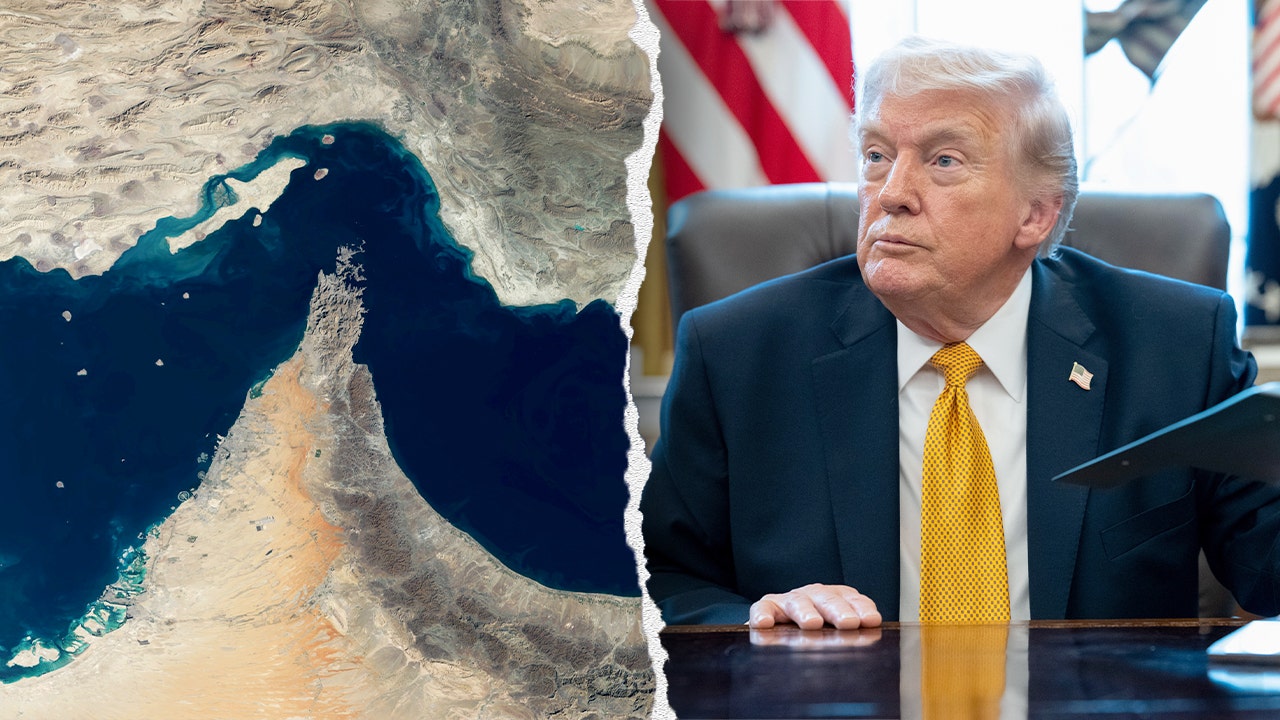
- The Breakdown: European nations rejected Trump’s request for warships to reopen the Strait of Hormuz.
- The Impact: This potential move could have significant implications for global security and stability.
—
🔍 The Deep Dive
Why it’s happening: President Trump’s frustration with NATO stems from their refusal to assist in the Iran conflict, particularly in reopening the vital Strait of Hormuz. European leaders are reportedly enraged by Trump’s insults and criticisms towards NATO, leading to concerns about a possible "divorce" within the alliance.
From one perspective: Advocates for change suggest that Trump’s push for European nations to pay for their own defense is a necessary step towards fairness and self-reliance. The rift within NATO reflects a growing realization in Europe that their relationship with the United States may be changing fundamentally.
On the other hand: Critics maintain that Trump’s threats to leave NATO could weaken the alliance and jeopardize global security. The potential withdrawal of the United States could have far-reaching consequences for European nations and their defense capabilities.
🏁 The Bottom Line
As tensions continue to rise amid the ongoing Iran conflict, the world will be closely watching to see if President Trump follows through on his threat to leave NATO. The implications of such a move could reshape global alliances and security dynamics in the months to come. President Trump is reportedly considering pulling the United States out of NATO, the North Atlantic Treaty Organization, amid escalating tensions with Iran. The move, if carried out, could have significant implications for global security and US relations with its European allies.
According to reports, Trump has been vocal about his frustrations with NATO member countries not meeting their defense spending obligations, as outlined in the alliance’s guidelines. He has also criticized NATO for being outdated and no longer serving US interests.
The potential withdrawal from NATO comes at a time when tensions between the US and Iran are high following the killing of Iranian General Qasem Soleimani in a US drone strike. European leaders are reportedly concerned about the implications of a US exit from NATO, as the alliance has long been seen as a cornerstone of transatlantic security.
The Economist editor-in-chief, Zanny Minton Beddoes, stated that European leaders fear a "true NATO divorce" if Trump follows through on his threat to pull the US out of the alliance. The move could leave European countries vulnerable to potential Russian aggression and destabilize the security architecture that has been in place since the end of World War II.
Critics of a potential US withdrawal from NATO argue that it would weaken the alliance and embolden US adversaries, such as Russia and China. They also warn that it could lead to a breakdown in diplomatic relations with European allies and damage US credibility on the world stage.
It remains to be seen whether President Trump will follow through on his reported threat to leave NATO. However, the mere consideration of such a drastic move underscores the uncertainty and volatility of the current geopolitical landscape.