
DoorDash is selling out D.C. over a 20-cent delivery tax

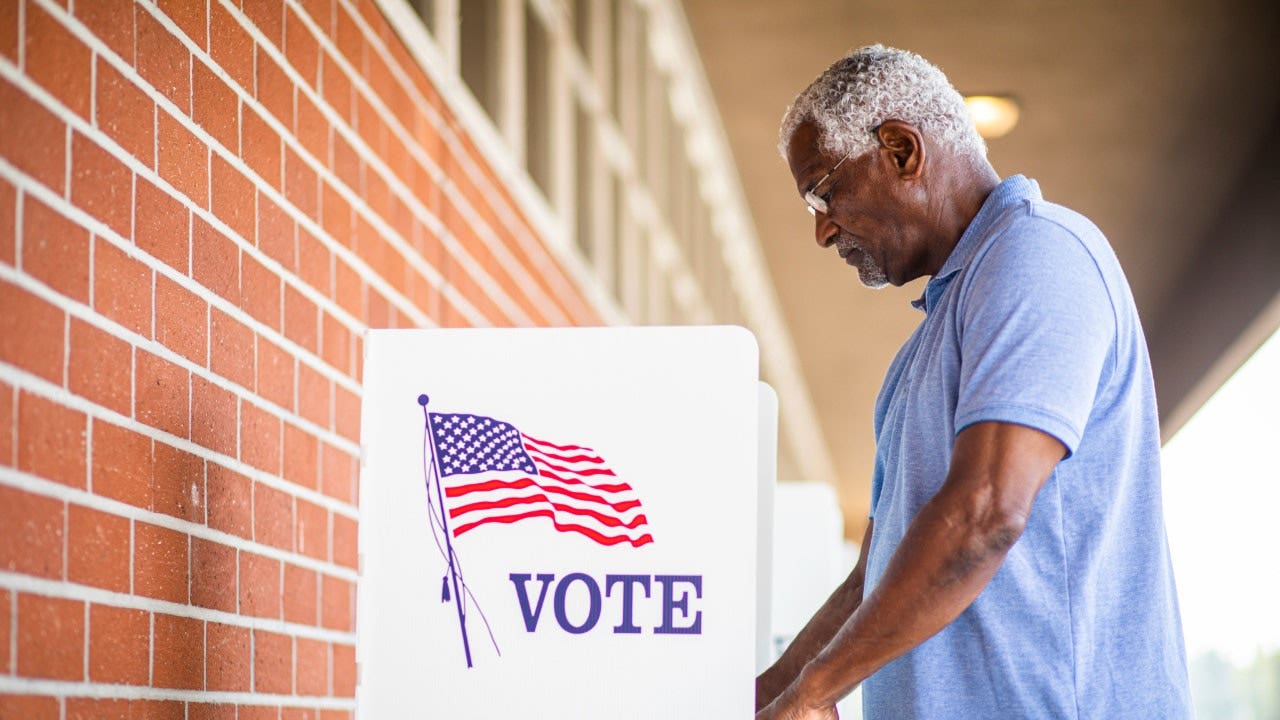
Residents of Washington, D.C., don’t have voting members of Congress, so we have no say in what happens on Capitol Hill. And if DoorDash gets its way, we will have even less say at City Hall.
The San Francisco-based company, worth about $73 billion, objected to a 20-cent fee on food deliveries that the D.C. Council recently enacted.
But rather than make its case to the district’s elected leaders or persuade voters the fee was a bad idea, DoorDash went nuclear, publicly backing Republican legislation that would require Congress to approve any future local taxes or fees in the district.
I’ve never used DoorDash, but this decision made me wish I’d signed up just so I could dramatically cancel my account.
I’ve never used DoorDash, but this decision made me wish I’d signed up just so I could dramatically cancel my account. As a D.C. resident, I don’t have much power to do anything else.
Congress already exercises sweeping authority over the district. Under the 1973 Home Rule Act, it can block laws passed by the D.C. Council during a review period through a joint resolution. Even after that period ends, Congress can still overturn local laws through ordinary legislation or — more commonly — by attaching riders to must-pass appropriations bills.
Over the years, Republicans in Congress have repeatedly used that power to block policies supported by D.C. voters, including needle-exchange programs during the AIDS crisis, medical marijuana and funding for abortions for low-income women. Congress has even barred D.C. from using its own funds to lobby for statehood.
(To be fair, former President Barack Obama agreed to restrictions on D.C. abortion funding during budget negotiations, and former President Joe Biden signed legislation overturning the district’s revised criminal code. But Republicans have been responsible for the vast majority of congressional interference.)
Most members of Congress don’t care enough about D.C.’s local affairs to get involved. But there’s almost always one or two who do, and that’s often enough to drag everyone else along.
This bill would reverse that dynamic. Instead of Congress having to muster the votes to overturn a local tax, every future D.C. tax or fee would require affirmative congressional approval. Since many Republicans oppose virtually all tax increases, that would severely limit the City Council’s ability to raise revenue for services residents want. Whether Congress thinks a tax increase is wise isn’t really the point; it isn’t their decision to make.

This legislation — and DoorDash’s decision to support it — is only the latest in a series of provocations directed at D.C.