Voyager 1 Just Became the First Human-Made Object One Light-Day From Earth

A radio signal sent from Earth today won’t reach Voyager 1 until tomorrow — and its reply won’t get back here until the day after that.
NASA’s Voyager 1 spacecraft crossed a mind-bending milestone on Wednesday, Nov. 18, 2026, becoming the first human-made object ever to travel one light-day from Earth. At 5:16:07 a.m. EST, the probe was about 16.094 billion miles (25.902 billion km) from home — farther than anything humanity has ever built has ever flown.
Think about that for a second. Voyager 1 launched on Sept. 5, 1977 — 49 years ago, when disco was on the radio and the first Star Wars movie was in theaters. It is still flying. Still phoning home. Still making history.
What is a light-day, anyway?
A light-day is simply the distance light travels in 24 hours. Light is the fastest thing in the universe, moving at about 186,000 miles per second — and it still takes a full day to cover the gap between Earth and Voyager 1.
That means NASA’s commands now take a full 24 hours to reach the spacecraft, and any reply takes another 24 hours to come back. A single question-and-answer with Voyager 1 now takes two full days.
Still flying after 49 years
Voyager 1 launched 16 days after its twin, Voyager 2, but on a faster trajectory that quickly put it in the lead. After flying past Jupiter in 1979 and Saturn in 1980, it sailed onward — and in August 2012 it crossed the heliopause, becoming the first spacecraft to enter interstellar space, the region between the stars.
Today it is hurtling through that uncharted territory at about 38,000 mph, headed in the direction of the star Gliese 445. If it keeps going, it could pass within 1.7 light-years of that star in roughly 40,000 years.
Only 2 of Voyager 1’s 10 original science instruments are still operating — the magnetometer and the plasma wave subsystem, according to NASA’s April 2026 status update. Its plutonium-238 power supply is slowly fading, but NASA expects the spacecraft may be able to keep at least one instrument running into the 2030s.
The journey hasn’t been without scares. NASA lost contact with Voyager 1 on Oct. 18–19, 2026, before restoring the signal on Oct. 20 — a reminder of just how remarkable it is that a spacecraft built in the 1970s is still talking to us at all.
What’s next
NASA will hold a public briefing on Thursday, Nov. 19, at 12 p.m. EST with mission leadership to discuss the milestone. The story is also making waves closer to home: 13abc featured it today in its “Moment of Science” segment with Dan Smith.
Nearly half a century after launch, Voyager 1 keeps going — a message in a bottle, cast into the dark between the stars, still answering back a day later.
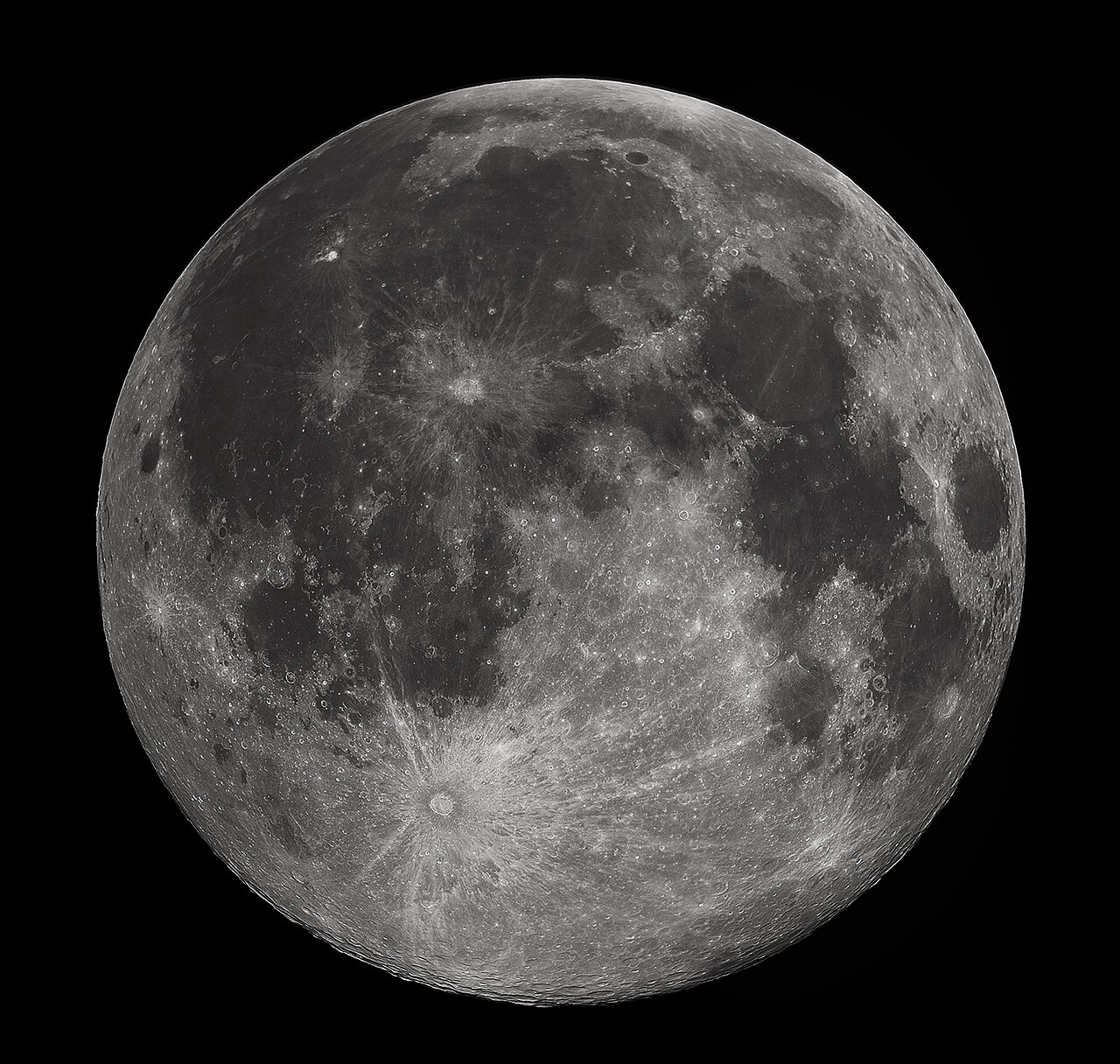
Image: NASA / Wikimedia Commons (public domain)
Sources: NASA Science | Smithsonian (National Air and Space Museum) | USA Today | ScienceAlert