Redistricting Gambles Fell Flat in the Midterms — and Kaptur Held Toledo’s Seat

The great redistricting war of 2026 mostly fizzled.
Ahead of the Nov. 3 midterms, at the direction of President Donald Trump, a handful of Republican-led states redrew their congressional maps mid-decade — a rare move, since states normally redraw lines once every 10 years after the census — aiming to create more GOP-favoring seats and defend a narrow House majority. Democratic-led states joined the fight with their own redraws, and lawsuits flew on both sides. When the dust settled, Republicans were projected to have gained a nine-seat advantage over the 2024 lines.
On Election Day, most of those seats stayed in Democratic hands — and even if they hadn’t, it wouldn’t have mattered. Democrats’ projected House majority far outstripped those nine seats.
Texas kicked off the craze, redrawing its lines to create five additional Republican-favoring seats. It backfired: Democrats defended four of those five seats, Republicans are likely to pick up one in the Dallas area, and that gain was offset by Democratic flips in two other Texas districts. Republican Gov. Greg Abbott, who led the charge, also lost his own race to Democratic Gov.-elect Gina Hinojosa.
The pattern repeated elsewhere. In Ohio, Democratic Reps. Greg Landsman of the Cincinnati-area 1st District and Marcy Kaptur of the Toledo-area 9th District held onto their GOP-targeted seats. In Florida, Democrats held three targeted districts, with a fourth still uncalled but leaning Democratic. In North Carolina, Democratic Rep. Donald Davis held his seat. Tennessee’s only Democratic-held seat did fall to Republicans after being redrawn — though Democrats appear poised to flip another Tennessee district to offset it.
Democratic-led redistricting had more success: California redrew its maps to pick up five seats and won all five, and Utah flipped a seat after redrawing its Salt Lake City-area district. In Virginia, Democrats were denied in court from using new maps, but still flipped two red seats without them.
Political analyst Kyle Kondik of Sabato’s Crystal Ball at the University of Virginia told USA TODAY the Democratic wave made the maps nearly irrelevant — “when you’re up against one of the greatest waves in American history, it’s hard for these things to work out” — while cautioning that the underlying House map is still somewhat more Republican-leaning than before the remap, based on 2024 presidential numbers, which could matter in future cycles.
For Toledo, the bottom line is continuity: Kaptur keeps representing the 9th District in a House that will have a new Democratic majority.
Source: USA Today
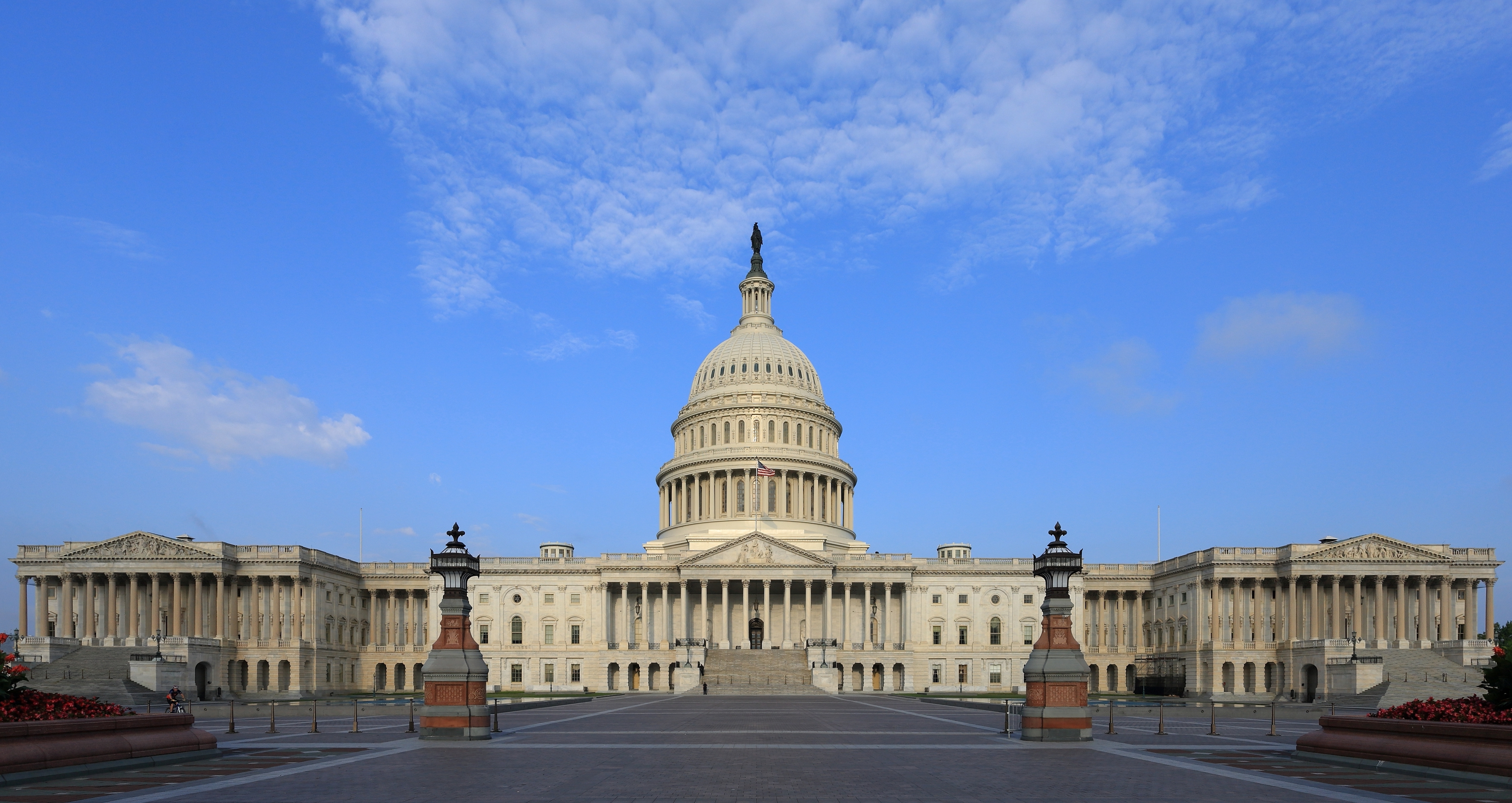
Photo: Wikimedia Commons (CC BY-SA 3.0) — the U.S. Capitol at dusk.