NASA Bets $10 Billion on the Moon — Nuclear Rover Coming in 2028

NASA is going back to the Moon in a big way — and this time, it is bringing nuclear power with it.
On Saturday, Nov. 7, 2026, NASA announced a sweeping set of Moon Base awards at the MAX POWER aerospace expo at Kennedy Space Center in Florida, headlined by a $10 billion contract ceiling for lunar deliveries and a nuclear-powered rover bound for the Moon’s South Pole.
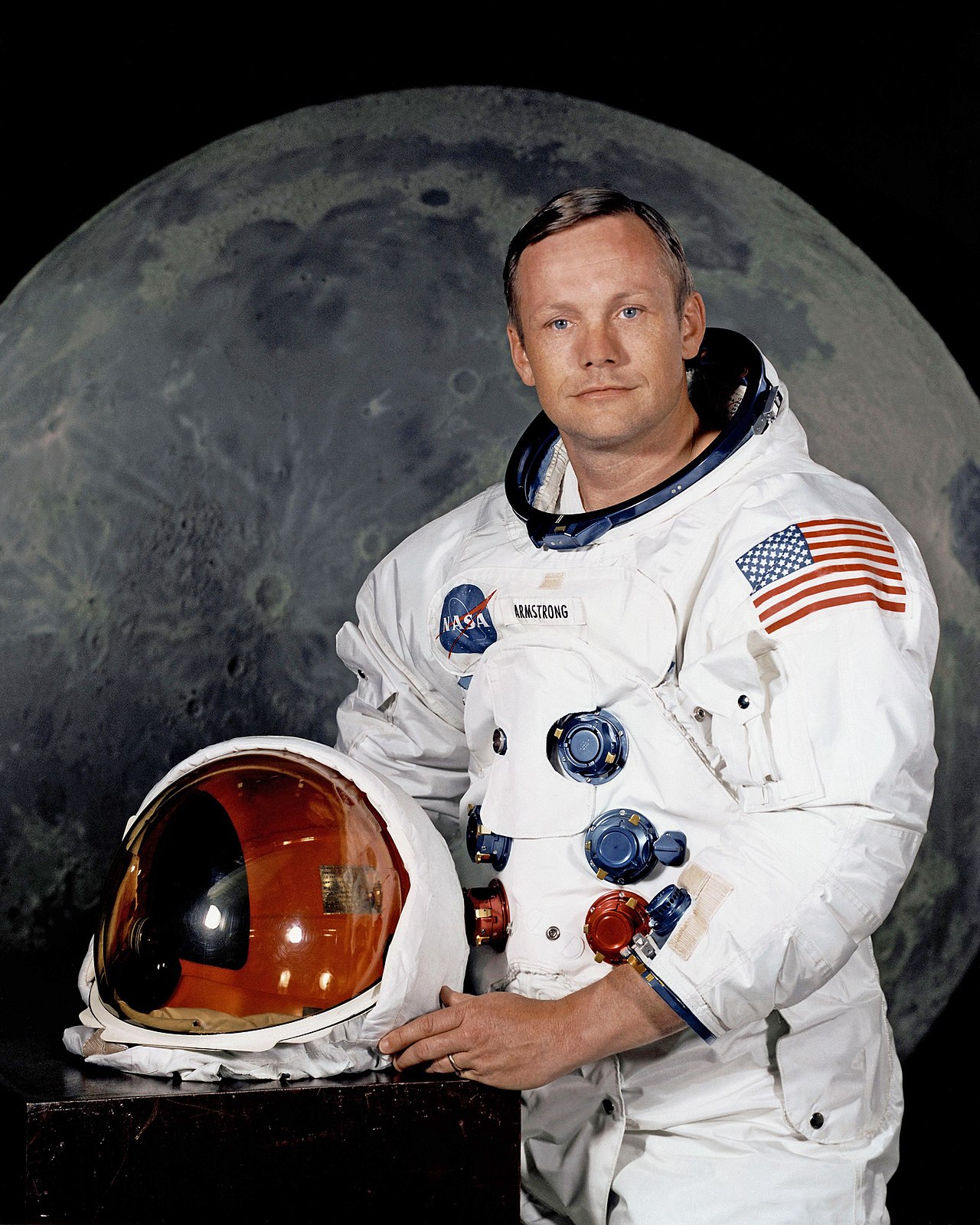
Full Moon. Credit: NASA via Wikimedia Commons
The centerpiece is the new CLPS 2 contract — a 10-year master contract with a combined maximum value of $10 billion. Eight companies will compete for individual lunar delivery task orders under it. That $10 billion figure is a ceiling, not money handed out up front: companies earn awards only as NASA orders specific deliveries over the next decade.
The eight companies selected to compete are Blue Origin, Firefly Aerospace, Intuitive Machines, ispace US, Lockheed Martin Space, Northrop Grumman Space Systems, SpaceX, and Voyager Technologies.
NASA also raised the existing CLPS 1.0 contract from $2.6 billion to $4.2 billion. That contract runs through November 2028, with awarded deliveries continuing through November 2033.
A nuclear rover for the South Pole
NASA is also moving forward with PROMISE — the Polar Rover for Observation, Mapping, and In-Situ Exploration — a six-wheeled, nuclear-powered rover that will land at the Moon’s South Pole to map the surface and subsurface and look for resources.
PROMISE carries a drill to extract regolith from about 1 meter below the surface, plus spectrometers, temperature and radiation sensors, and cameras. NASA’s Jet Propulsion Laboratory will manage the mission and build the rover from spare and test hardware from the Curiosity and Perseverance Mars rovers.
The target: launch in late 2028, for an 18-month mission on the lunar surface.
Blue Origin was awarded a $94 million base contract — plus a $140 million performance option — to deliver PROMISE on its Mark 1 lander. NASA also issued about $1.3 billion in launch and in-space transportation task orders as part of the announcement.
Taken together, the awards lay the groundwork for a sustained presence at the Moon: commercial landers competing to deliver cargo, a nuclear rover hunting for resources at the South Pole, and a launch date less than two years away. The race back to the Moon just got a lot bigger — and a lot more nuclear.
Source: NASA